For global businesses, sourcing injection molds from China remains a strategic move to balance high quality with significant cost efficiency. However, the landscape is evolving. The year 2026 is not about finding the cheapest supplier; it is about executing a professional, risk-mitigated procurement strategy that ensures long-term value. This guide provides actionable insights for overseas buyers to navigate the complexities of engaging with injection mold China manufacturers, transforming a daunting process into a streamlined and successful partnership.
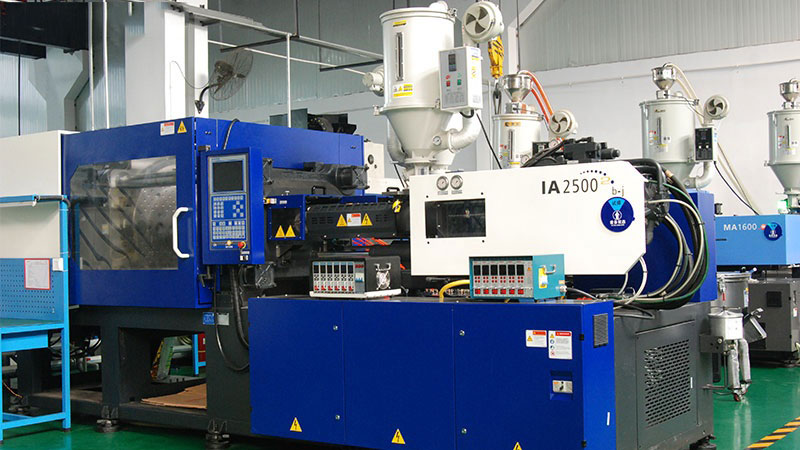
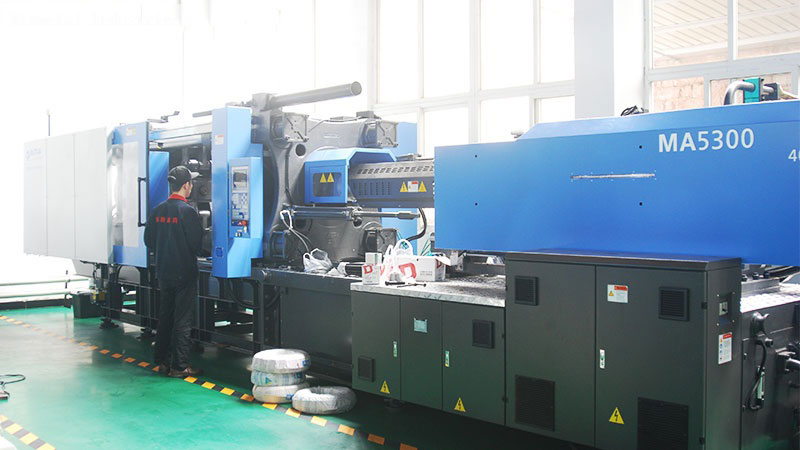
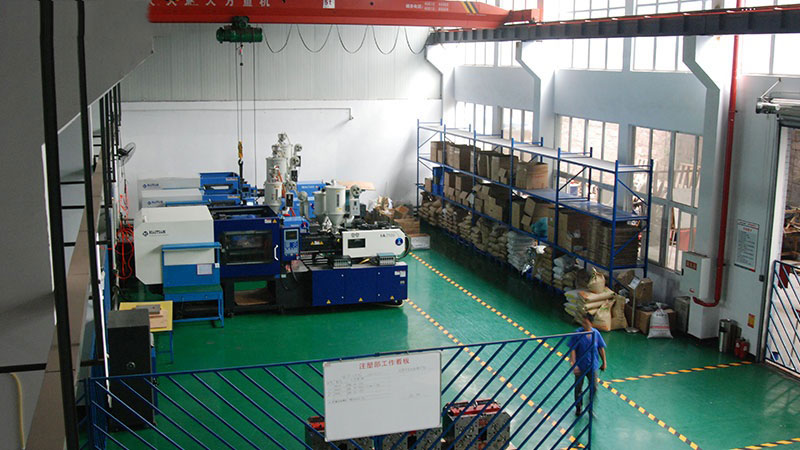
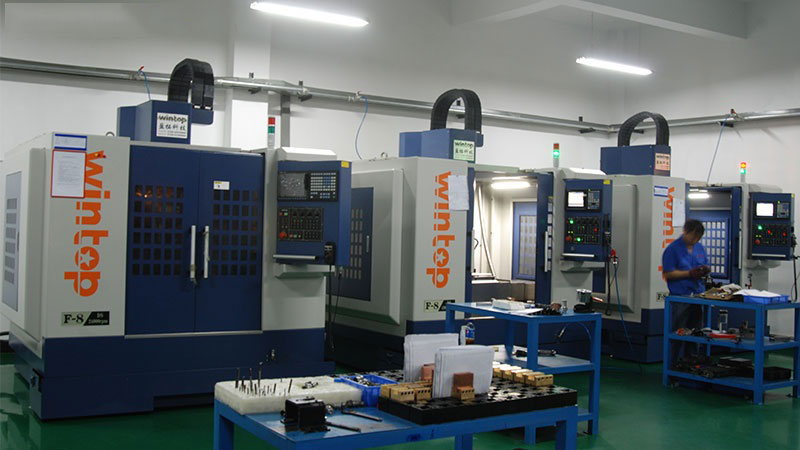
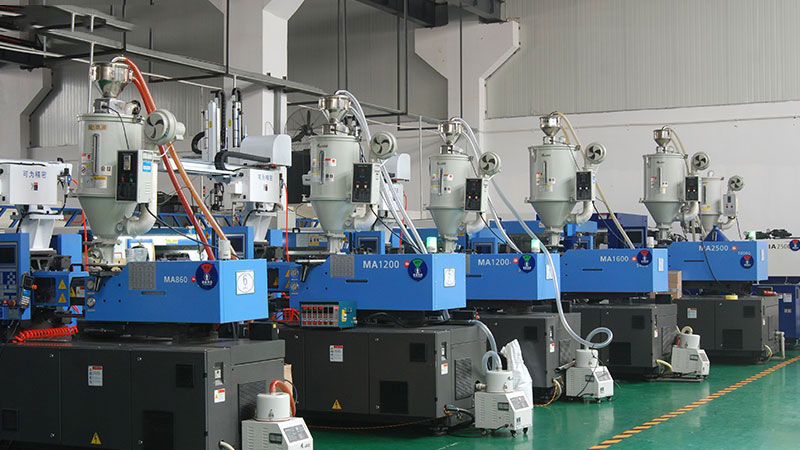
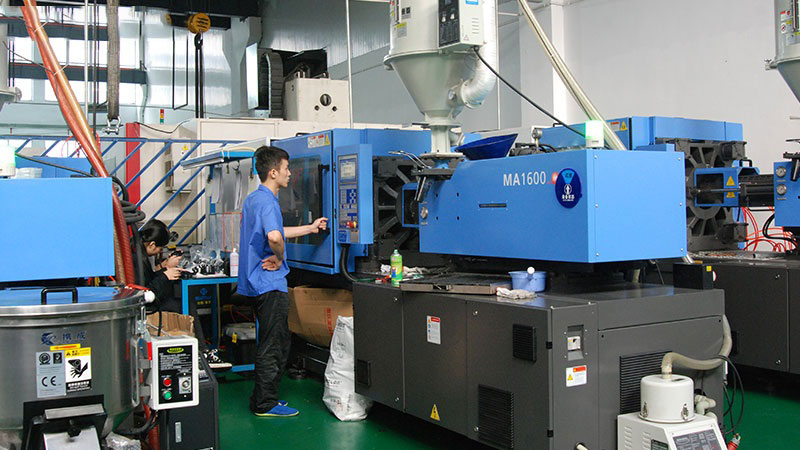
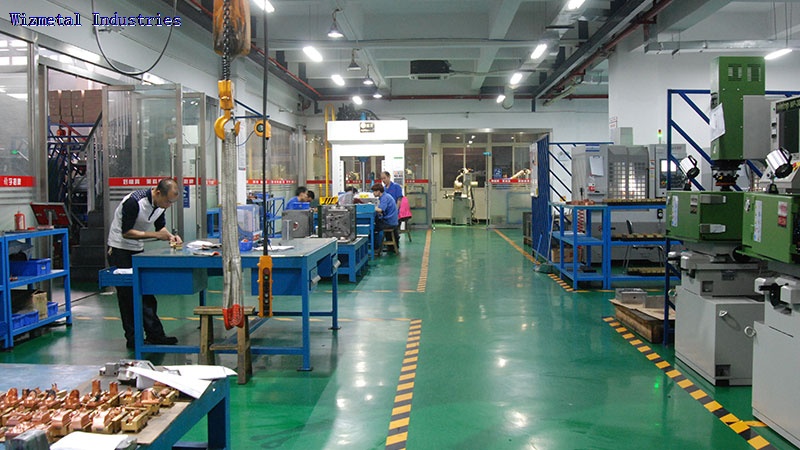
The cornerstone of professional procurement in 2026 is meticulous supplier verification. Moving beyond a simple website check or Alibaba storefront is non-negotiable. Start with a deep-dive analysis of the China mold factory’s specialization. A manufacturer proficient in automotive components may not excel in producing intricate medical device molds. Scrutinize their project portfolio for direct relevance to your industry. Subsequently, insist on a live video audit. This allows you to inspect factory conditions, machinery brands, and technical team interactions in real-time. Verify certifications, but understand their context; a ISO 9001 certificate is a baseline, while specific certifications like IATF 16949 for automotive are critical for those sectors. Finally, request and contact references from their existing overseas clients. Direct feedback on communication, problem-solving, and post-sales support is invaluable data that no brochure can provide.
Once a potential partner is shortlisted, mastering the technical and commercial quotation process is your next critical step. Professional buying demands that you provide exceptional clarity to receive accurate and comparable quotes. Develop a comprehensive Request for Quotation package. This must include detailed 3D CAD files, material specifications, expected annual volumes, and a clear definition of part critical dimensions. For the injection mold itself, specify the mold base standard, steel grade, surface finish requirements, and expected lifecycle. Crucially, define the deliverables: Is the quote for a fully tested mold only, or does it include initial sampling and first article inspection reports? In 2026, leading manufacturers expect this level of detail. It filters out unqualified bidders and ensures the quotes you receive are based on identical parameters, allowing for a true apples-to-apples comparison that focuses on value, not just the bottom-line price.
The most common pitfall for overseas buyers is the disconnect between approving a mold design and receiving a production-ready tool. This is where a structured, multi-stage quality control protocol becomes your primary risk management tool. Do not wait until the final inspection to verify quality. Insist on milestone approvals with documented evidence. Key checkpoints include the mold design review, material certification for the mold steel, and cavity sampling reports after rough machining. The most critical stage is the Trial Sample Report. Upon first shots, the supplier should provide comprehensive data including dimensional inspection reports, color and texture approvals, and process parameter sheets. For high-stakes projects, consider engaging a local third-party quality inspection firm to conduct an on-site Pre-Shipment Inspection. This independent verification of the mold’s function and the sample part’s conformity is a professional safeguard that prevents costly rework after international shipment.
Finalizing a contract with a Chinese mold manufacturer requires a professional approach that protects both parties. The agreement must be explicit beyond unit price and delivery time. It should detail payment terms linked to verified milestones, intellectual property ownership clauses, and warranty provisions for the mold’s workmanship and lifespan. Clearly outline responsibilities for mold maintenance and repair. Furthermore, establish a protocol for engineering change orders, including cost and timeline impact assessments. Professional procurement in 2026 also means planning for the logistics of importing a heavy, high-precision asset. Discuss incoterms explicitly, arrange for appropriate packaging to prevent transit damage, and understand the import duties and regulations in your destination country. A smooth transition from factory floor to your production line is the final, crucial step in the procurement journey.
Forging a relationship with your chosen China mold factory is an investment in future efficiency. View them as a strategic partner, not just a transactional vendor. Professional buyers schedule regular communication beyond active projects. Provide feedback on mold performance in sustained production, which helps the manufacturer understand your long-term needs. This collaborative approach often leads to preferential pricing, proactive support, and invaluable insights for future projects. As you scale, a reliable manufacturing partner can become an extension of your own engineering team, contributing to design for manufacturability and continuous improvement.
Successfully importing injection molds from China in 2026 demands a shift from basic sourcing to professional supply chain management. It is a process built on rigorous supplier verification, precise technical communication, proactive quality control, and meticulous contractual and logistical planning. By implementing these actionable strategies, overseas buyers can confidently tap into the expertise and capability of leading injection mold China manufacturers. The goal is to secure not just a tool, but a competitive advantage—a high-precision, durable mold that delivers consistent part quality and maximizes your return on investment for years to come.
Work With Us
As a professional China mold manufacturer, we provide one-stop mold solution for overseas buyers.
📞 Phone: +86-18605944639
💬 WhatsApp: +8618605944639
🌐 Website: bestmoldworks.com
📧 Email: [email protected]