Author: moldcustomization

  • custom silicone mold manufacturer usa: Expert Tips & 2026

    For businesses across the United States, from boutique artisans to industrial product developers, sourcing custom silicone molds is a critical step in bringing innovative designs to life. While searching for a “custom silicone mold manufacturer usa” yields local options, many savvy buyers look overseas to China to combine high-quality craftsmanship with significant cost advantages. However, navigating the international procurement landscape presents unique challenges. This guide provides expert, actionable tips for 2026, designed to help you successfully partner with a reliable China mold factory, ensuring your project meets exact specifications, budget, and timeline.

    The strategic decision to import molds from China hinges on two factors: specialized expertise and cost efficiency. Many Chinese manufacturers have honed their skills over decades, operating state-of-the-art facilities for both silicone and injection mold production. The potential for cost savings, often between 30-50% compared to domestic manufacturing, allows US businesses to improve margins or invest more in other areas like marketing and R&D. The key to unlocking these benefits lies in a meticulous, informed approach to supplier selection and project management. Moving forward with a clear, professional process mitigates risks and builds a foundation for a successful long-term partnership.

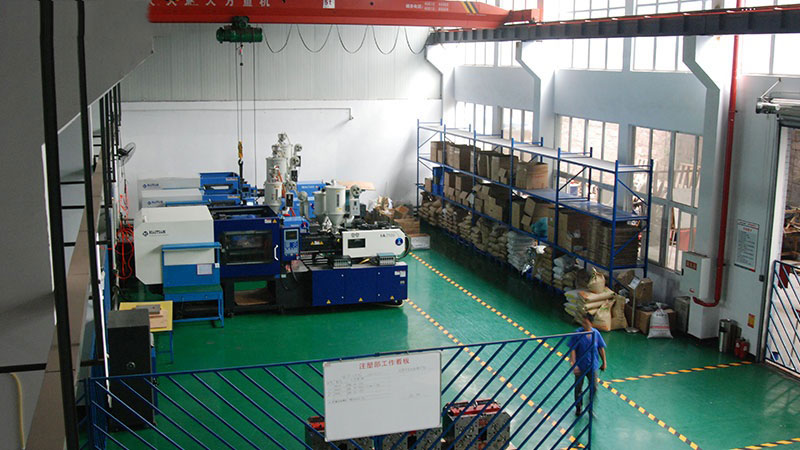
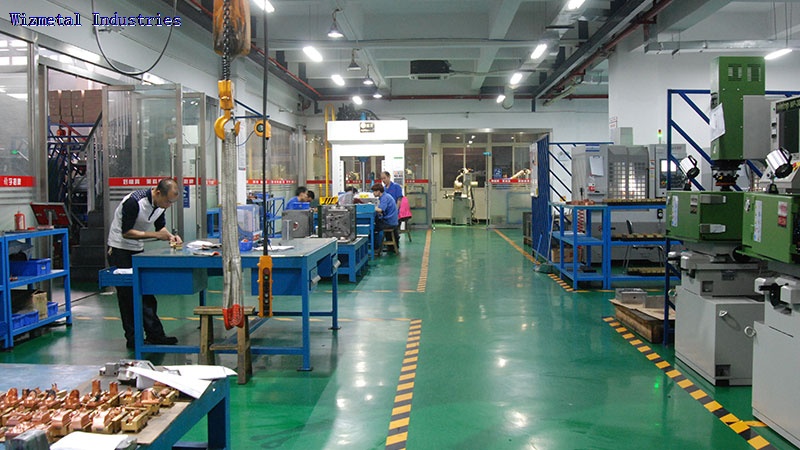
    Conducting rigorous supplier verification is the non-negotiable first step. Simply finding a manufacturer online is insufficient. Begin by shortlisting potential partners through detailed research on B2B platforms, but then dig deeper. Request a comprehensive company profile, including business licenses, years in operation, and ownership structure. The most critical action is to insist on a virtual or, ideally, an in-person factory audit. A reputable China mold factory will readily arrange a video tour, allowing you to assess their workshop cleanliness, machinery (like CNC centers and EDM machines), and quality control stations. Verify their specific experience with silicone molds, requesting detailed case studies or samples that mirror the complexity of your project. This due diligence separates credible partners from intermediaries.

    Mastering the technical and commercial communication phase is where projects are defined. When requesting a quote, provide an exceptionally clear and detailed specification package. This should include 3D CAD files (STEP or IGS), 2D drawings with GD&T tolerances, material specifications (e.g., FDA-grade silicone, Shore hardness), expected cavity count, and production volume estimates. Ambiguity here leads to cost variations and delays. Discuss the entire process flow: from mold design and prototyping to pilot runs and final production. Be explicit about your quality control expectations upfront. Furthermore, understand the Incoterms (like FOB or EXW) and how they impact logistics cost and responsibility. A professional manufacturer will ask clarifying questions, demonstrating their engagement and technical competency.

    Implementing a robust, multi-stage quality control protocol is your primary defense against defects. Do not wait until the final shipment to inspect quality. Insist on a First Article Inspection (FAI) report once the initial mold is produced and sample parts are cast. This report should validate critical dimensions against your drawings. For ongoing production, define an Inspection and Test Plan (ITP) that may include Daily Production Checks, Periodic Audits, and a Final Random Inspection (FRI) before shipment. Many US buyers hire third-party quality control agencies in China to conduct these inspections objectively. This layered approach to quality control ensures issues are caught and resolved early at the factory, preventing costly rejections upon arrival in the USA.

    Navigating logistics, intellectual property, and the partnership mindset finalizes the process. Understand the lead times for mold manufacturing, sampling, and shipping. Factor in potential delays and plan accordingly. To protect your designs, have a clear Non-Disclosure Agreement (NDA) and consider registering your IP in China. A trustworthy supplier values long-term relationships and will respect confidentiality. View your chosen manufacturer not just as a vendor, but as a technical partner. Their expertise in tooling and material science can provide valuable design-for-manufacturability feedback that optimizes your mold for performance and cost. Establishing clear communication channels and regular update schedules fosters transparency and trust.

    In conclusion, while the search for a “custom silicone mold manufacturer usa” focuses locally, the global opportunity in China offers a compelling value proposition for 2026 and beyond. The journey from procurement to successful import is built on a foundation of meticulous supplier verification, crystal-clear communication, and uncompromising quality control. By treating your Chinese mold supplier as a strategic extension of your team, you leverage world-class manufacturing capabilities to fuel innovation and growth for your US-based business. With these expert tips, you are equipped to transform the complexity of international sourcing into a reliable, competitive advantage.

    Work With Us

    As a professional China mold manufacturer, we provide one-stop mold solution for overseas buyers.
    📞 Phone: +86-18605944639
    💬 WhatsApp: +8618605944639
    🌐 Website: bestmoldworks.com
    📧 Email: [email protected]
  • injection molding factory in china: Best Suppliers & 2026

    For overseas buyers, sourcing from an injection molding factory in China remains one of the most effective strategies to achieve significant cost savings, access extensive manufacturing expertise, and accelerate product development. However, the landscape is vast and varied, making the journey from initial inquiry to receiving perfect parts fraught with potential challenges. As we look toward 2026, the dynamics of procurement are evolving, demanding more sophisticated approaches to supplier verification and quality control. This guide cuts through the noise to provide actionable, professional advice for identifying and partnering with the best Chinese injection molding suppliers for your specific needs.

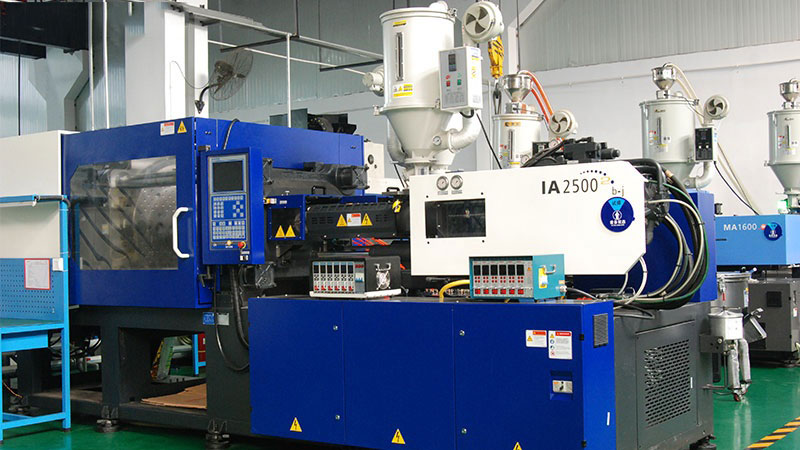
    The cornerstone of a successful import project is rigorous supplier verification. Moving beyond a simple Alibaba search is non-negotiable. Begin by scrutinizing the technical capabilities of a prospective China mold factory. Request detailed case studies or portfolios that match your industry—whether it’s automotive components, medical devices, or consumer electronics. A professional supplier will readily provide this. Next, insist on a virtual or, if possible, an in-person factory audit. Many reputable factories now offer comprehensive video tours. Focus on their machine park: the age and brands of their injection molding machines (e.g., Haitian, Engel, Arburg), the presence of a dedicated mold maintenance area, and their quality lab equipment. Verify business licenses and export credentials. This due diligence phase filters out trading companies masquerading as manufacturers and identifies partners with the genuine capacity to deliver.

    Once a technically capable supplier is shortlisted, the focus must shift to the injection mold itself—the heart of your project. Miscommunication here is the primary cause of cost overruns and delays. To prevent this, your technical data package must be impeccable. Provide not just 3D CAD files (STEP or IGS format is preferred), but also a comprehensive 2D drawing with GD&T (Geometric Dimensioning and Tolerancing) callouts. Clearly specify material grades (including color standards like Pantone or RAL), expected annual volumes, and critical cosmetic surfaces. Discuss mold flow analysis upfront; a top-tier injection molding factory in China will perform and share this simulation to predict and prevent filling issues, weld lines, and sink marks before steel is ever cut. This collaborative engineering approach ensures the mold is designed for efficiency, longevity, and part quality from the outset.

    Proactive quality control is what separates a smooth procurement experience from a logistical nightmare. Do not assume standards; define them contractually. Your agreement should include a Quality Inspection Plan (QIP) that outlines at which stages inspections will occur: typically, First Article Inspection (FAI) after sample approval, During Production Inspection (DPI) at the start of a production run, and Final Random Inspection (FRI) before shipment. Specify the use of internationally recognized standards like AQL (Acceptable Quality Level) for sampling. For critical dimensions, require the supplier to provide CMM (Coordinate Measuring Machine) reports and material certification. Many buyers now engage third-party quality inspection services in China for an unbiased assessment. This layered QC strategy ensures issues are caught early, when they are least expensive to correct, protecting your investment and brand reputation.

    As we project into 2026, several key trends will define best practices for importing molds from China. First, sustainability is moving from a niche concern to a core requirement. Inquire about a factory’s energy-efficient machinery, regrind policies, and ISO 14001 certification. Second, digital integration is accelerating. The best suppliers offer transparent communication portals for tracking mold progress, sharing inspection reports, and managing engineering change orders. Third, regional specialization is deepening. While the Pearl River Delta remains a powerhouse for electronics, areas like Jiangsu and Zhejiang excel in automotive and precision engineering. Aligning your project with a region’s core competency can yield better expertise and supply chain support. Finally, geopolitical and logistical considerations necessitate building more resilient partnerships. Consider dual-sourcing for critical components or working with suppliers who have diversified their own material sourcing to mitigate risk.

    Forging a successful partnership with a Chinese injection molding factory is ultimately about building a transparent, communicative, and mutually respectful relationship. View your supplier not as a vendor, but as a technical partner integral to your product’s success. Establish clear, documented communication protocols, designate single points of contact on both sides, and schedule regular video conferences. Understand cultural nuances—building rapport can be as important as the technical discussion. A partner invested in your success will proactively suggest design for manufacturability (DFM) improvements, alert you to potential material price fluctuations, and work collaboratively to solve unforeseen challenges.

    In conclusion, sourcing from a China mold factory in 2026 and beyond will reward those who prioritize deep verification, technical collaboration, and systematic quality control. The market is maturing, with a clear divide between basic workshops and truly world-class manufacturing partners. By applying the structured, professional approach outlined above—focusing on actionable supplier verification, precise technical communication, and forward-looking quality agreements—overseas buyers can confidently navigate the complexities of import procurement. The goal is not merely to find a supplier, but to establish a strategic alliance with an injection molding factory in China that drives your innovation, ensures your quality, and supports your competitive edge in the global marketplace for years to come.

    Work With Us

    As a professional China mold manufacturer, we provide one-stop mold solution for overseas buyers.
    📞 Phone: +86-18605944639
    💬 WhatsApp: +8618605944639
    🌐 Website: bestmoldworks.com
    📧 Email: [email protected]
  • buy injection mold: Reliable Manufacturers Guide 2026

    For overseas buyers, the decision to buy injection mold from China represents a significant strategic advantage, offering access to advanced manufacturing capabilities at competitive costs. However, navigating this complex landscape to identify truly reliable partners can be daunting. This guide is designed to cut through the noise and provide a clear, actionable roadmap for your procurement journey in 2026. We will focus on practical steps for supplier verification, stringent quality control, and building partnerships that ensure your project’s success from the first drawing to full-scale production.

    Conducting Deep Supplier Verification Beyond the Website

    The initial search will yield countless China mold factory options, but verification is where the real work begins. In 2024, due diligence must go far beyond a polished website. Start with a multi-platform check: cross-reference their Alibaba presence with independent B2B platforms and professional networks like LinkedIn. Scrutinize their company history and business licenses. The most critical step is to request and thoroughly review a detailed project portfolio. Ask for case studies of molds similar to yours in complexity, material, and industry. Demand to see time-stamped videos of mold trials and actual production shots, not just rendered images. Finally, initiate a video call for a virtual factory tour. A reputable supplier will readily showcase their workshop, machinery brand and model, and team, providing tangible proof of their capabilities. This level of verification separates market leaders from mere trading companies.

    Mastering Technical Communication and RFQ Process

    A precise Request for Quotation is the foundation of a successful project. To buy injection mold effectively, your RFQ must be comprehensive. Include not just part drawings, but a full specification document detailing material type, expected annual volumes, cosmetic requirements, tolerance standards, and desired mold life. Clearly state your expectations for deliverables: are you expecting a 3D mold design for approval, sample parts from the initial trial, and full mold design files upon completion? During discussions, delve into the China mold factory’s engineering approach. Ask about their design software, their process for flow analysis, and how they plan to address potential challenges like sink marks or weld lines. Effective procurement hinges on aligning technical expectations upfront, ensuring the quotation you receive is for the exact mold you need, avoiding costly change orders later.

    Implementing a Phased Quality Control and Inspection Protocol

    Quality control cannot be an afterthought; it must be integrated into every stage. For injection mold procurement, a phased inspection protocol is non-negotiable. First, insist on a Design for Manufacturability review before steel is cut. Next, define and agree upon Critical Control Points: a pre-shipment inspection of the finished mold is not enough. Key milestones include a First Article Inspection of the mold frame and core/cavity blocks, and a formal Mold Trial Run. The most reliable method is to engage a local third-party quality inspection firm to witness the Trial Run, measuring sample parts against your specifications and producing a detailed report with photos and data. This objective assessment before shipment mitigates immense risk and provides leverage for any necessary corrections.

    Navigating Logistics, IP Protection, and Payment Terms

    The commercial and legal framework protects your investment. Intellectual property protection is a primary concern for overseas buyers. Ensure your contract includes a clear, enforceable confidentiality and IP clause. While a China-specific NDA has value, the most robust protection often comes from registering your design patents or utility models in China before sharing detailed designs. Regarding payment terms, the standard 50% deposit and 50% before shipment carries risk for the buyer. Negotiate for a more balanced structure, such as 30% deposit, 40% after pre-shipment inspection approval, and 30% upon receipt. For logistics, understand Incoterms thoroughly. FOB is common, but for high-value molds, consider arranging your own freight insurance. Plan for the import process in your country, ensuring you have the correct HS code and are prepared for potential duties.

    Building a Partnership for Long-Term Production Success

    Viewing your chosen China mold factory as a strategic partner, rather than just a vendor, yields long-term benefits. A reliable manufacturer is invested in your production success because it leads to repeat business for molding services. Discuss future maintenance, the availability of spare components like ejector pins or heaters, and their policy on mold modifications. Establish clear communication channels and a single point of contact who understands your project history. This relationship is crucial when you need to ramp up production or address wear and tear on the mold. The goal of your initial procurement is not just to acquire a tool, but to secure a manufacturing partner capable of supporting your product’s lifecycle.

    Conclusion

    To buy injection mold from China with confidence in 2026, a systematic and vigilant approach is essential. It begins with rigorous supplier verification, continues through meticulous technical communication and staged quality inspections, and is solidified by smart commercial agreements. By treating the process as a partnership development exercise, you transform the challenge of overseas procurement into a durable competitive advantage. The reliable manufacturers are out there; this guide provides the framework to find them, collaborate effectively, and ensure your injection mold project is delivered on spec, on budget, and on time, laying a solid foundation for your product’s market success.

    Work With Us

    As a professional China mold manufacturer, we provide one-stop mold solution for overseas buyers.
    📞 Phone: +86-18605944639
    💬 WhatsApp: +8618605944639
    🌐 Website: bestmoldworks.com
    📧 Email: [email protected]
  • china mold manufacturer: Best Suppliers & Quality Cont 2026

    For overseas buyers, sourcing injection molds from China represents a significant strategic advantage, offering a compelling combination of advanced technical capability, cost efficiency, and scalable production. However, the path to realizing these benefits is often paved with challenges: identifying truly capable partners from a sea of options, navigating communication gaps, and ensuring uncompromising quality standards from thousands of miles away. This guide for 2026 cuts through the noise to provide a professional, actionable framework for procurement success. We will focus on practical strategies for supplier verification, communication protocols, and quality control measures that protect your investment and ensure your project’s timeline and specifications are met.

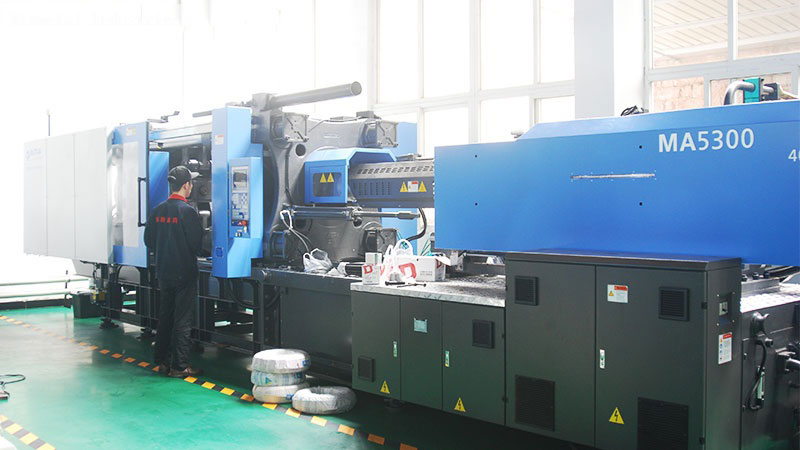
    The foundation of a successful import project is rigorous supplier verification. Moving beyond a simple Alibaba search is critical. Begin by identifying a shortlist of potential China mold factories through industry-specific B2B platforms, verified trade shows, or professional referrals. Deep due diligence is non-negotiable. Request detailed company profiles that include years in operation, machinery lists (note the presence of high-precision CNC, EDM, and CMM machines), and case studies relevant to your industry. Utilize video conferencing to request virtual factory tours; a reputable china mold manufacturer will readily showcase their facility and workflow. Crucially, verify business licenses and, for higher-risk industries, ask for certifications like IATF 16949 for automotive or ISO 13485 for medical devices. This initial investment in verification filters out trading companies and under-equipped workshops, aligning you with partners who have the tangible capability to execute your project.

    Once a potential partner is identified, mastering technical communication becomes the next hurdle. Ambiguity in design specifications is the primary cause of delays, cost overruns, and substandard molds. Develop a comprehensive and unambiguous Technical Data Package (TDP). This should include, at minimum, 3D CAD files (STEP or IGES), fully detailed 2D drawings with GD&T (Geometric Dimensioning and Tolerancing), material specifications (including steel grade and pre-hardened requirements), cavity surface finish requirements (SPI standards), and expected production volume. Schedule a dedicated meeting to review the TDP line-by-line with the supplier’s engineering team. Discuss mold flow analysis plans, cooling channel design, and ejection strategies upfront. Using screen-sharing during these discussions to mark up drawings ensures mutual understanding. This proactive, detailed approach transforms your relationship from a simple buyer-supplier dynamic to a collaborative engineering partnership.

    Implementing a staged quality control and payment plan is your most powerful financial and quality risk mitigation tool. Never agree to 100% payment before shipment. A standard and secure term is a 30-50% deposit to commence work, 40-50% upon approval of pre-shipment inspection reports, and the final 10-20% after successful trial runs at your facility. Tie payments to verified milestones. The most critical milestone is the First Article Inspection (FAI). Insist on a detailed FAI report with dimensional results from a Coordinate Measuring Machine (CMM) against your 2D drawing. Require high-resolution photos and videos of the finished mold, including close-ups of critical features and surface finishes. For high-value projects, contracting a third-party quality inspection firm in China to conduct an on-site audit during the T1 sample stage is a wise investment. They can verify materials, hardness, dimensions, and assembly, providing an objective report before the balance payment is released.

    The final step is planning for the long-term lifecycle of the mold. A reliable china mold manufacturer will view the project as an ongoing partnership. Discuss and agree upon post-sales support terms before the order is placed. Key points include the warranty period (typically 12-24 months against manufacturing defects), the process for handling wear and tear or damage, and the lead time for spare components like cores, ejector pins, or hot runner tips. Ensure you receive complete and accurate mold design documentation and maintenance manuals upon delivery. Establishing clear protocols for future orders or modifications streamlines subsequent procurement cycles. Furthermore, a supplier invested in a long-term relationship is more likely to be proactive in suggesting design-for-manufacturability improvements that can enhance mold life and part quality, delivering greater value over time.

    Successfully importing injection molds from China in 2026 demands a disciplined, process-oriented approach that prioritizes verification, clear communication, and controlled validation. By meticulously vetting your China mold factory, investing in unambiguous technical dialogue, enforcing milestone-based payments linked to quality evidence, and securing long-term support, you transform the inherent complexities of overseas procurement into a reliable competitive edge. The goal is not merely to find a supplier but to build a transparent and technically aligned partnership that delivers precision, consistency, and value, project after project. With these actionable strategies, you are equipped to navigate the market confidently and secure the quality and reliability your production depends on.

    Work With Us

    As a professional China mold manufacturer, we provide one-stop mold solution for overseas buyers.
    📞 Phone: +86-18605944639
    💬 WhatsApp: +8618605944639
    🌐 Website: bestmoldworks.com
    📧 Email: [email protected]
  • plastic mold factory china: Complete Procurement Guide 2026

    For overseas buyers, the decision to import molds from China represents a significant strategic advantage, offering unparalleled cost efficiency, advanced manufacturing capabilities, and scalable production. However, navigating the vast landscape of suppliers to find a truly reliable partner can be daunting. This guide is designed to cut through the noise, providing a clear, actionable, and professional roadmap for your procurement journey in 2026. We will move beyond basic directories and address the real challenges you face in supplier verification, communication, quality control, and logistics, ensuring your project’s success from initial concept to final delivery.

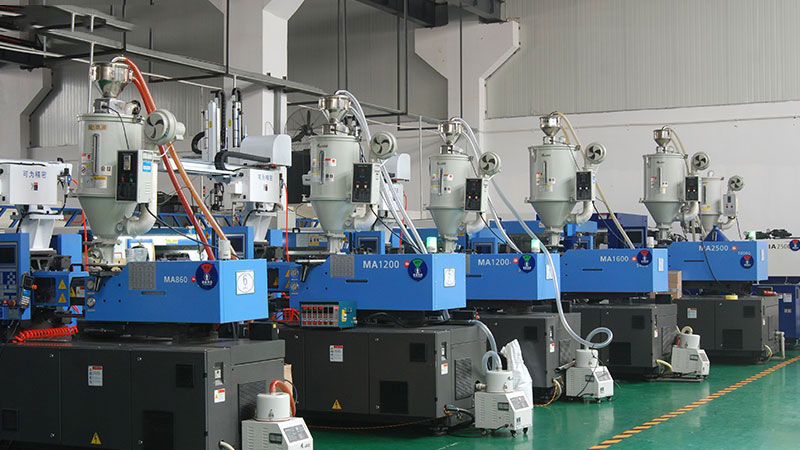
    The cornerstone of a successful import project is identifying and verifying the right China mold factory. In 2024, simply searching online and comparing quotes is insufficient. Begin with a deep-dive into the factory’s specialization. A supplier claiming to do everything may excel at nothing. Determine if your needs align with their expertise—be it high-cavitation molds for mass production, tight-tolerance medical components, or large automotive parts. Utilize professional platforms like Alibaba Made-in-China, but prioritize suppliers with verified onsite check reports and client reviews. Crucially, move the conversation to a video call platform. A real-time virtual factory tour is non-negotiable in 2026. Request to see their CNC machining centers, EDM equipment, CMM measuring rooms, and mold trial workshops. This step alone will filter out trading companies and unqualified workshops, ensuring you engage with a genuine, well-equipped plastic mold factory in China.

    Once a potential partner is identified, a structured and detailed RFQ (Request for Quotation) process is vital. Ambiguity is the primary source of future cost overruns and delays. Your RFQ package must include a comprehensive 3D model (STEP or IGS format), detailed 2D drawings with critical dimensions and tolerances clearly marked, and a material specification for both the mold (e.g., P20, H13, Stainless Steel) and the final plastic part. Specify required certifications (e.g., ISO 9001, IATF 16949 for automotive), expected mold life (number of shots), and all deliverables (3D mold design files, assembly drawings, spare parts list). Furthermore, clarify the quotation breakdown: Is it FOB Shanghai, EXW, or DDP? What are the payment terms (e.g., 40% deposit, 50% before shipment, 10% after trial)? A professional injection mold manufacturer will respond with clarifying questions, not just a bottom-line price. Their engagement with your technical details is a strong positive indicator.

    Managing the production and quality control phase remotely requires proactive systems, not passive hope. Insist on a staged payment plan linked to key milestones: deposit after order confirmation, second payment after design approval, third payment after T1 sample approval, and balance before shipment. For design, require a formal mold flow analysis (using software like Moldflow) to predict and rectify filling issues, weld lines, and sink marks before steel is cut. This analysis is a hallmark of a technical partner versus a simple machining shop. During manufacturing, mandate weekly photo or video updates showing progress on the mold base, core, cavity, and ejection system. The most critical step is the Initial Sample Inspection Report (ISIR) or First Article Inspection (FAI). Do not approve mass production until you have physically received and tested T1 samples from the actual mold. Use a third-party inspection service like SGS, BV, or AsiaInspection for a Pre-Shipment Inspection (PSI) to verify dimensional accuracy, material, hardness, and surface finish against your agreed specifications. This objective checkpoint is your final safeguard.

    The final hurdle is navigating logistics and fostering a long-term partnership. Understand your incoterms thoroughly. FOB is common, meaning your responsibility and risk start once the mold is loaded on the vessel. You will need a freight forwarder to handle sea/air freight, customs clearance, and final delivery. For simplicity, especially for first-time buyers, consider DDP (Delivered Duty Paid) where the supplier arranges everything to your door, though this often comes at a premium. Ensure all documentation—commercial invoice, packing list, bill of lading, and certificate of origin—is accurate and provided promptly. Upon successful completion of your first order, view your chosen China mold factory as a strategic asset. A reliable manufacturer becomes an extension of your R&D and production team. Provide constructive feedback, discuss future projects, and explore value-added services like mold maintenance, storage, or low-volume production runs. This collaborative approach transforms a transactional supplier into a true long-term partner, streamlining your supply chain for years to come.

    Importing molds from China in 2026 demands a blend of technological leverage, rigorous process control, and strategic relationship management. The landscape is competitive, and the most successful buyers are those who approach procurement with diligence and clear communication. By meticulously verifying your injection mold supplier, defining project scope with precision, implementing staggered quality control checkpoints, and understanding the logistics framework, you mitigate risk and unlock the immense value proposition. Remember, the goal is not to find the cheapest supplier, but the most reliable and technically proficient plastic mold factory in China that will deliver quality, consistency, and become a cornerstone of your manufacturing success.

    Work With Us

    As a professional China mold manufacturer, we provide one-stop mold solution for overseas buyers.
    📞 Phone: +86-18605944639
    💬 WhatsApp: +8618605944639
    🌐 Website: bestmoldworks.com
    📧 Email: [email protected]
  • tyre mould manufacturers in china: Best Suppliers & Qua 2026

    For global tire producers and traders, sourcing high-precision tyre moulds is a critical strategic decision that directly impacts product quality, production efficiency, and brand reputation. China has solidified its position as the world’s foremost manufacturing hub for tyre moulds, offering an unparalleled combination of advanced technological capabilities, extensive material expertise, and competitive cost structures. However, navigating this vast market to identify truly reliable partners requires a methodical approach. This guide is designed for overseas buyers seeking to import premium tyre moulds from China, providing actionable insights to streamline your procurement process, mitigate risks, and secure a partnership that delivers excellence through 2026 and beyond.

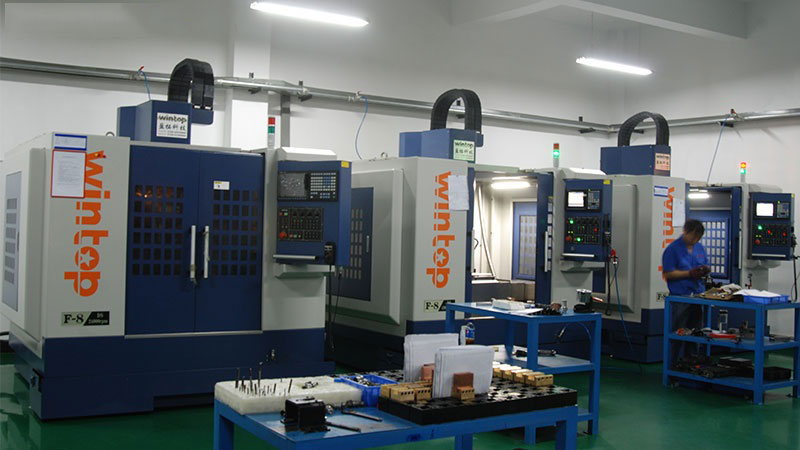
    The cornerstone of successful procurement lies in rigorous supplier verification. Not all China mold factories possess the specialized engineering and metallurgical knowledge required for high-performance tyre moulds. Begin your search by focusing on manufacturers with demonstrable experience in your specific tyre segment, whether for passenger vehicles, heavy-duty trucks, off-road vehicles, or specialty applications. Scrutinize their technical portfolios for evidence of proficiency in both two-piece and segmented mould designs, as well as their capabilities in key manufacturing processes like precision CNC machining, laser engraving for intricate tread patterns, and electrical discharge machining (EDM). Essential verification steps include reviewing ISO 9001:2015 quality management certifications, auditing their in-house heat treatment facilities for mould durability, and insisting on a virtual or in-person factory tour to assess their equipment, workshop cleanliness, and workflow organization. This due diligence separates commodity workshops from true technical partners.

    Once a shortlist of potential tyre mould manufacturers in China is established, a comprehensive and unambiguous Request for Quotation (RFQ) becomes your most vital tool. A detailed RFQ prevents costly misunderstandings and ensures comparable quotes. It must specify not just dimensions and tread pattern, but also the exact mould base material (e.g., P20, 2738, or premium stainless steels), required hardness (HRC), surface finish specifications, and the cooling channel design philosophy. Clearly state your expected mould life cycle in terms of production shots. Furthermore, define all delivery milestones, including the submission of 3D design drawings for approval, prototype testing protocols, and the final pre-shipment inspection criteria. This document transforms your requirements from a concept into a measurable contract, setting the stage for a transparent partnership.

    Proactive quality control is non-negotiable and must be integrated throughout the production cycle, not just as a final checkpoint. Reputable suppliers will agree to staged inspections managed by your team or a trusted third-party inspection service based in China. Critical inspection points include a First Article Inspection (FAI) after the initial mould is machined to verify critical dimensions and cavity profiles, a hardness test after heat treatment, and a thorough pre-shipment inspection that includes a trial assembly and, if possible, a sample tyre curing test. Pay particular attention to the precision of venting holes, the smoothness of parting lines, and the accuracy of sidewall engraving. Establishing these checkpoints empowers you to catch deviations early, when corrections are most cost-effective, safeguarding your investment and production timeline.

    Understanding the commercial and logistical framework is equally important for a smooth import process. With reputable tyre mould manufacturers in China, negotiate terms that balance cost with risk, such as a 30-50% deposit with the balance paid after pre-shipment inspection approval. Ensure the quote explicitly includes commercial invoices, a detailed packing list, and the necessary certificate of origin. Given the high value and weight of tyre moulds, secure robust marine cargo insurance for the shipment. Professionally managed suppliers will provide expert export packing—typically wooden crates with internal waterproofing and shock-absorbent materials—to protect the precision-machined surfaces during long-haul transit. Clarify responsibilities for customs clearance in your country, and consider partnering with a freight forwarder experienced in handling industrial moulds to manage the complexities of international logistics.

    The most forward-thinking partnerships view the initial mould procurement as the beginning of a long-term collaboration. Discuss post-sales support terms before finalizing your order. This includes the availability of detailed technical documentation, the warranty period for materials and workmanship (typically one year is standard), and the supplier’s policy on maintenance, repair, and modification services. A reliable China mold factory will offer responsive support for wear parts replacement and design adjustments for future tyre models. Building this ongoing relationship ensures you have a dependable technical resource, potentially giving you a competitive edge in rapidly bringing new tread designs to market.

    Importing tyre moulds from China in 2026 presents a significant opportunity for quality-driven overseas buyers to enhance their manufacturing competitiveness. The journey from sourcing to successful integration hinges on a disciplined process: conducting deep supplier verification, defining requirements with precision, implementing staged quality control, managing logistics diligently, and planning for long-term support. By adhering to this professional framework, you can confidently tap into China’s manufacturing excellence. The goal is to move beyond a simple transaction and cultivate a partnership with a Chinese supplier whose commitment to quality and reliability mirrors your own, ensuring the production of superior tyres for the global market.

    Work With Us

    As a professional China mold manufacturer, we provide one-stop mold solution for overseas buyers.
    📞 Phone: +86-18605944639
    💬 WhatsApp: +8618605944639
    🌐 Website: bestmoldworks.com
    📧 Email: [email protected]

  • plastic mold factory: Expert Tips & Solutions 2026

    For overseas buyers, importing molds from China remains a strategic move to achieve significant cost savings and access advanced manufacturing capabilities. However, navigating the landscape of thousands of potential suppliers can be daunting. The core challenge is not merely finding a **plastic mold factory**, but identifying a partner that delivers consistent quality, reliable communication, and on-time delivery. This guide provides expert tips and forward-looking solutions for 2026, designed to help you streamline your **procurement** process and build a successful, long-term partnership with a reputable **China mold factory**.

    The foundation of a successful import project lies in rigorous supplier verification. Moving beyond simple Alibaba listings is crucial for 2026. Start by conducting a deep-dive analysis of a potential **injection mold** manufacturer’s digital footprint. Examine their professional website for detailed case studies, technical blogs, and equipment lists. Utilize platforms like LinkedIn to assess the team’s professionalism and tenure. The most critical step, however, is a virtual factory audit. Insist on a real-time video tour conducted via video call, not a pre-recorded clip. This allows you to inspect shop floor organization, machine maintenance (look for well-kept DMG Mori, Sodick, or Haitian machines), gauge the skill level of technicians, and assess their quality control station. Verify business licenses and export records directly during this interaction. This level of due diligence separates marketing entities from genuine manufacturing partners.

    Once a shortlist is established, mastering the technical and commercial quotation phase is your next hurdle. A professional **plastic mold factory** will request a comprehensive package to provide an accurate quote. This should include a detailed 3D product design (STEP or IGS format), material specifications, expected annual volumes, and cosmetic requirements (e.g., SPI finish standards). For 2024, be explicit about your sustainability goals; inquire about material efficiency designs and energy-saving molding technologies. When comparing quotes, look beyond the bottom line. Scrutinize the breakdown: steel grade (pre-hardened vs. hardened steel like 718H or S136), mold life expectancy (number of shots), cooling system design, and the inclusion of essential components like sliders, lifters, or hot runner systems. A transparent, detailed quotation reflects a supplier’s technical competence and honesty.

    The single most impactful action you can take is to implement a staged **quality control** protocol, integrating checkpoints from design to shipment. Begin with a Design for Manufacturability (DFM) report. A competent **China mold factory** will provide feedback to optimize your part for molding, potentially saving cost and preventing defects. Next, insist on First Article Inspection (FAI) reports with CMM data for critical dimensions once the mold is sampled. Do not approve mass production until you are satisfied with the sample parts. For ongoing production, define Acceptable Quality Limits (AQL) and agree on a schedule for third-party inspections at the factory during production runs or before shipment. Investing in these staggered QC measures mitigates the risk of receiving a container of non-conforming parts and ensures the **injection mold** performs as intended.

    Building a successful partnership extends beyond the initial transaction. Clear, structured communication and strategic relationship management are vital. Appoint a single point of contact on both sides who possesses both technical and English language skills. Utilize collaborative tools like shared folders for drawings and reports. For 2026, consider discussing digital integration; some forward-thinking mold factories now offer portal access to view mold maintenance schedules and production status. Furthermore, view your supplier as a strategic partner. Discuss long-term projects, potential design improvements, and market trends. Offering forecasted business can incentivize them to prioritize your projects and invest in the relationship. Regular communication, fair dealings, and timely payments build trust and reliability, turning a vendor into a valuable extension of your supply chain.

    In conclusion, importing molds from China in 2026 demands a proactive, informed, and partnership-oriented approach. The journey from supplier verification to final delivery is paved with technical and logistical details that require careful management. By implementing these expert tips—conducting thorough virtual audits, demanding transparent quotations, enforcing staged quality control, and fostering professional communication—you transform the **procurement** process from a risky endeavor into a competitive advantage. The goal is to move from being just another international buyer to becoming a valued partner to a top-tier **plastic mold factory**. This strategic alignment ensures you receive not only a cost-effective mold but also a reliable manufacturing asset that drives your product’s success for years to come.

    Work With Us

    As a professional China mold manufacturer, we provide one-stop mold solution for overseas buyers.
    📞 Phone: +86-18605944639
    💬 WhatsApp: +8618605944639
    🌐 Website: bestmoldworks.com
    📧 Email: [email protected]

  • china plastic mold factory: Complete Procurement Guide 2026

    For global businesses, sourcing injection molds from China remains a strategic move to balance quality, innovation, and cost-effectiveness. However, navigating the vast landscape of manufacturers can be daunting. This guide is designed for the professional overseas buyer, cutting through the noise to provide a clear, actionable roadmap for successfully procuring from a **China plastic mold factory** in 2026. We will move beyond basic directories and focus on the practical steps of supplier verification, communication, and quality control that define a successful partnership.

    Mastering the Initial Search and Supplier Verification

    The first challenge is identifying credible partners. A simple search yields thousands of results, but precision is key. Begin by defining your project’s exact specifications: mold type (e.g., two-plate, hot runner), steel grade, expected lifecycle, tolerances, and target part material. Use these details to filter suppliers. Platforms like Alibaba are a starting point, but prioritize factories with detailed process videos, in-house machining capabilities (CNC, EDM), and genuine certifications (ISO 9001 is a baseline). The real work begins with verification. Conduct video calls to tour the facility; a reputable **China mold factory** will readily showcase their workshop floor, not just a showroom. Request contact information for two or three recent international clients and follow up. Utilize third-party inspection services for a preliminary background check on the company’s business license, operational scale, and export history. This due diligence separates trading companies from genuine manufacturers.

    The Critical Phase of RFQ and Technical Communication

    Submitting a Request for Quotation (RFQ) is a test of clarity. Provide a comprehensive package: a detailed 3D part file (STEP or IGS), 2D drawings with critical dimensions and tolerances clearly marked, material specifications, expected annual volumes, and a target price bracket. Be wary of quotes that are significantly lower than the market average; this often signals corner-cutting on materials or processes. During technical discussions, focus on the engineering team. Assess their ability to offer Design for Manufacturability (DFM) feedback. A proficient supplier will proactively suggest modifications to part geometry to improve mold flow, simplify tooling, reduce cost, and enhance durability. This collaborative engineering approach is a hallmark of a quality-focused partner. Clear, documented communication at this stage prevents costly misunderstandings later.

    Implementing Proactive Quality Control and Inspection Protocols

    Quality control cannot be an afterthought; it must be built into the procurement contract. Define all quality standards and inspection milestones before production begins. Key stages for inspection include: after the mold material is procured (steel grade verification), after rough machining, after heat treatment (to check hardness), and the most critical – the Trial Run Sample (T1) inspection. For the T1 samples, you should receive a detailed First Article Inspection Report (FAIR) including dimensional measurement results, material certification, and photos/videos of the sample parts and the finished mold. For high-value tools, hiring a local third-party quality inspection firm to witness the T1 trial and audit the measurement process is a wise investment. This hands-on **procurement** strategy ensures the injection mold meets your specifications before it leaves the factory.

    Navigating Logistics, Payment, and Long-Term Partnership

    Agree on clear Incoterms (FOB Shanghai is common) to define responsibilities and costs for shipping and insurance. For molds, sea freight is standard due to weight and size. Ensure the factory has experience in proper mold packaging—crated, waterproofed, and with critical components protected. A phased payment schedule protects both parties: a common structure is 30-40% deposit, 40-50% after T1 sample approval, and the balance before shipment. After successful delivery and production, discuss mold maintenance and storage. A reliable **china plastic mold factory** will offer ongoing support, including guidance on maintenance schedules and the provision of spare components. This fosters a long-term relationship, turning a single transaction into a strategic supply chain asset.

    Conclusion

    Procuring injection molds from China in 2026 demands a blend of rigorous verification, technical collaboration, and embedded quality control. By moving beyond price as the sole deciding factor and investing time in supplier validation and clear communication, overseas buyers can unlock tremendous value. The goal is to transform the complexity of international sourcing into a competitive advantage, securing a partnership with a Chinese mold manufacturer that delivers not just a tool, but consistency, innovation, and reliability for years to come. This disciplined approach is your blueprint for success in the evolving global manufacturing landscape.

    Work With Us

    As a professional China mold manufacturer, we provide one-stop mold solution for overseas buyers.
    📞 Phone: +86-18605944639
    💬 WhatsApp: +8618605944639
    🌐 Website: bestmoldworks.com
    📧 Email: [email protected]

  • custom plastic mold Manufacturerturer near me: Reliabl 2026

    For overseas buyers, the search for a “custom plastic mold manufacturer near me” often leads to a critical realization: the most competitive solutions in terms of expertise, scalability, and cost are frequently found not locally, but across the globe. In 2026, importing molds from China remains a strategic move for businesses aiming to enhance their production capabilities and market competitiveness. However, the path to a successful partnership with a China mold factory is paved with the need for diligent procurement strategies and rigorous supplier verification. This guide is designed to move beyond generic advice and provide actionable, professional insights to help you navigate this complex process and secure a reliable manufacturing partner for your custom plastic injection mold projects.

    The foundational step in your procurement journey is redefining the “near me” concept in a globalized context. In 2026, proximity is less about geographic distance and more about communicative and logistical accessibility. Your search should focus on identifying Chinese manufacturers who have systematically bridged these gaps. Start by prioritizing suppliers with a proven track record of serving your specific region or industry. A professional China mold factory will have dedicated international sales teams fluent in your language and operating in your time zone. They should utilize modern project management platforms that offer real-time transparency into design reviews, mold flow analysis, and production milestones. This digital proximity, ensuring you are always informed and in control, is far more valuable than physical closeness, transforming a distant workshop into a reliable extension of your own operations.

    Once you have identified potential partners, the phase of deep supplier verification becomes paramount. This extends far beyond a cursory check of a company website. In the current landscape, due diligence must be multi-faceted. First, insist on a virtual factory tour via high-definition video call; this allows you to assess the facility’s organization, machinery quality, and working conditions. Scrutinize their portfolio for projects similar in complexity and material to your own. Demand and contact references from their existing overseas clients. Furthermore, verify their certifications, but understand their practical application. A mold factory holding IATF 16949 or ISO 9001 certifications demonstrates a commitment to systematic quality management processes. This thorough verification process is your primary shield against underperformance, ensuring the manufacturer has the institutional capability to deliver on their promises.

    The core of your success lies in implementing a robust and transparent quality control protocol from the very first sample. Do not leave quality as an afterthought or something to be checked only upon shipment. For custom plastic injection molds, your QC strategy must be staged. Begin with a First Article Inspection (FAI) report for the mold itself, including detailed dimensional checks, material certifications for the mold steel, and hardness tests. Upon first shots, coordinate a pre-shipment inspection at the factory to evaluate the initial production parts against your approved master sample and CAD data. For ongoing production, consider engaging a trusted third-party inspection service based in China for periodic audits. Clearly define and agree upon all critical-to-quality dimensions, surface finish requirements, and part performance criteria in your technical agreement. This proactive, evidence-based approach to quality control is what separates successful, long-term import partnerships from costly failures.

    Effective procurement in 2026 also demands strategic management of logistics and intellectual property. While your manufacturer may handle shipping, understanding the Incoterms and selecting the right one for your transaction is crucial. Terms like FOB or EXW place different responsibilities on you for freight, insurance, and customs clearance. Partner with a reliable freight forwarder experienced in handling industrial machinery and mold shipments. Regarding IP protection, a professional Chinese manufacturer will respect and formalize confidentiality. Always sign a comprehensive Non-Disclosure Agreement before sharing any design files. Furthermore, consider contractual clauses that stipulate tool ownership and prohibit the use of your mold for other clients. Conducting business with a factory that transparently engages in these formal protections is a key indicator of their professionalism and long-term reliability.

    In conclusion, the quest for a reliable custom plastic mold manufacturer in 2026, while initiated by a search for “custom plastic mold manufacturer near me,” is ultimately about building a transparent, communicative, and professionally managed partnership across borders. The competitive advantage offered by a skilled China mold factory is substantial, but it must be accessed with careful planning. By focusing on digital proximity, conducting exhaustive supplier verification, implementing staged quality control, and securing your logistics and IP, you transform the inherent challenges of overseas procurement into a structured, manageable process. This disciplined approach enables you to leverage world-class injection mold manufacturing, driving innovation and efficiency in your product development for years to come.

    Work With Us

    As a professional China mold manufacturer, we provide one-stop mold solution for overseas buyers.
    📞 Phone: +86-18605944639
    💬 WhatsApp: +8618605944639
    🌐 Website: bestmoldworks.com
    📧 Email: [email protected]

  • china mould factory: Reliable Manufacturers Guide 2026

    For overseas buyers, importing molds from China represents a significant opportunity to access high-quality tooling at competitive costs, accelerating product development and enhancing manufacturing efficiency. However, navigating the vast and complex landscape of suppliers can be daunting. The core challenge is not finding a China mold factory, but identifying a reliable partner capable of delivering precision, consistency, and clear communication. This guide for 2026 cuts through the noise, providing actionable strategies to streamline your procurement process and build a successful, long-term manufacturing relationship.

    Conducting Thorough Supplier Verification and Due Diligence

    The foundation of a successful import project is rigorous supplier verification. Moving beyond a simple website or Alibaba storefront is non-negotiable. Begin by verifying the factory’s business license and export credentials. Request a virtual or, ideally, a pre-qualification in-person factory tour to assess their workshop organization, machinery (look for modern CNC, EDM, and injection molding machines), and in-house capabilities. A professional china mould factory will readily provide this. Crucially, ask for and contact past overseas clients. Speaking directly with a European or North American buyer about their experience with communication, problem-solving, and after-sales support offers invaluable, unbiased insight. This step filters out trading companies masquerading as manufacturers and identifies partners with proven export experience.

    Mastering the Technical and Commercial Quotation Process

    A detailed and clear Request for Quotation (RFQ) is your most powerful tool for ensuring accurate bids and avoiding hidden costs. Simply sending a 3D file is insufficient. Your RFQ must specify the mold steel grade (e.g., P20, H13, S136), expected production volume (e.g., 500,000 cycles), cavity requirements, surface finish (SPI/VDI standards), and tolerances. Clearly outline post-mold services: do you require sample parts, first-article inspection reports, or mold qualification trials? For injection mold projects, specify the resin material, as it influences cooling channel design and wear considerations. When quotations arrive, analyze them line-by-line. A professional quote will itemize costs for mold base, machining, materials, and testing. Be wary of prices significantly below market average; this often indicates corner-cutting on materials, processes, or engineering expertise. Transparent pricing reflects a transparent partner.

    Implementing Proactive and Multi-Stage Quality Control

    Quality cannot be inspected into a mold; it must be built in. Relying solely on a final pre-shipment inspection is a high-risk strategy. Instead, implement a staged QC protocol. Define critical checkpoints with your chosen China mold factory, such as after material procurement (steel certification), after rough machining, after heat treatment (hardness report), and after assembly. Insist on digital documentation at each stage: photos, videos, and 3D scan reports for critical dimensions. For injection molds, the trial stage is paramount. Specify that trial shots must be conducted using plastic identical to your production material, not substitutes. These samples should be measured and functionally tested, with a comprehensive trial report provided. Engaging a reputable third-party quality inspection firm based in China for key milestones provides an objective layer of oversight, ensuring the tool meets all agreed specifications before it leaves the factory.

    Navigating Logistics, IP Protection, and Clear Communication

    Finalizing the procurement involves critical logistical and legal steps. Discuss Incoterms 2020 explicitly—FOB Shanghai is common, but understand your responsibilities versus the supplier’s. Ensure the factory has experience preparing export-compliant packaging, typically a wooden crate for mold protection. Regarding intellectual property, a well-drafted Non-Disclosure Agreement (NDA) is essential, but its enforcement should be supported by practical steps. Consider compartmentalizing design data; provide only necessary dimensions for machining. Registering your design or utility model patent in China, while an investment, offers a stronger legal recourse. Throughout this process, clear communication is the linchpin. Establish a single point of contact on both sides, use visual aids (marked-up screenshots, videos) to clarify issues, and confirm all agreements in writing. Regular, scheduled video calls bridge the distance and build a collaborative relationship.

    Conclusion

    Importing molds from China in 2026 demands a strategic, informed approach that prioritizes partnership over mere transaction. By executing meticulous supplier verification, crafting detailed technical RFQs, enforcing staged quality control, and managing logistics and communication with clarity, you transform a complex procurement challenge into a competitive advantage. The goal is to move beyond being just an overseas buyer to becoming a valued client of a professional China mould factory. This framework empowers you to select a manufacturer whose capabilities align with your quality and precision requirements, paving the way for a reliable supply chain that supports your product’s success for years to come. Start your next project not with a search for the lowest price, but with a disciplined search for the most capable and transparent partner.

    Work With Us

    As a professional China mold manufacturer, we provide one-stop mold solution for overseas buyers.
    📞 Phone: +86-18605944639
    💬 WhatsApp: +8618605944639
    🌐 Website: bestmoldworks.com
    📧 Email: [email protected]