For overseas buyers, the search for “mold manufacturers near me” often leads to a critical realization: the most competitive solutions in terms of expertise, scalability, and cost are frequently found not locally, but across the globe. China remains the epicenter of global mold manufacturing, offering unparalleled capabilities. However, the real challenge shifts from finding a supplier to identifying the right, reliable partner from a vast sea of options. This guide is designed for procurement professionals and engineers looking to navigate the Chinese mold industry in 2026, moving beyond simple searches to implement a strategic, quality-focused procurement process.
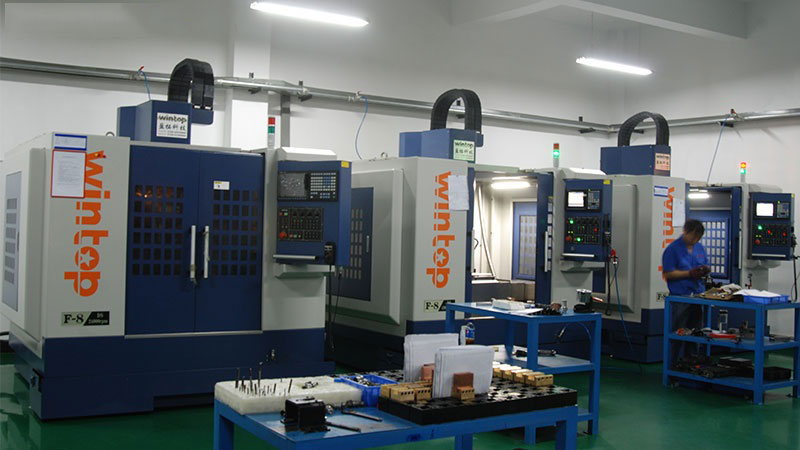
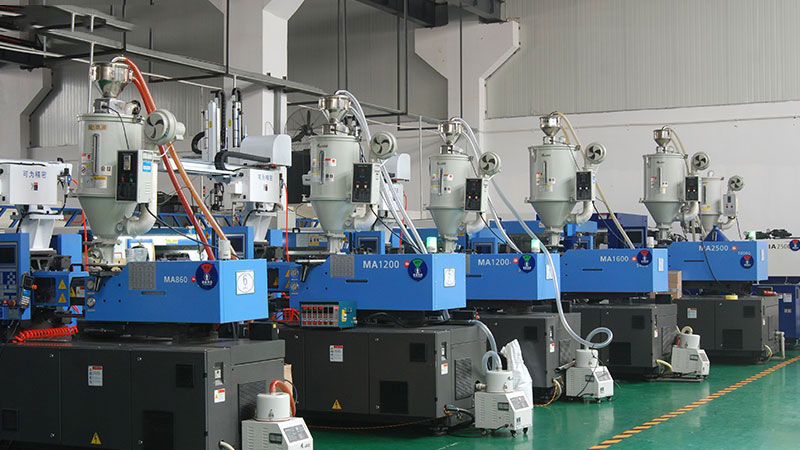
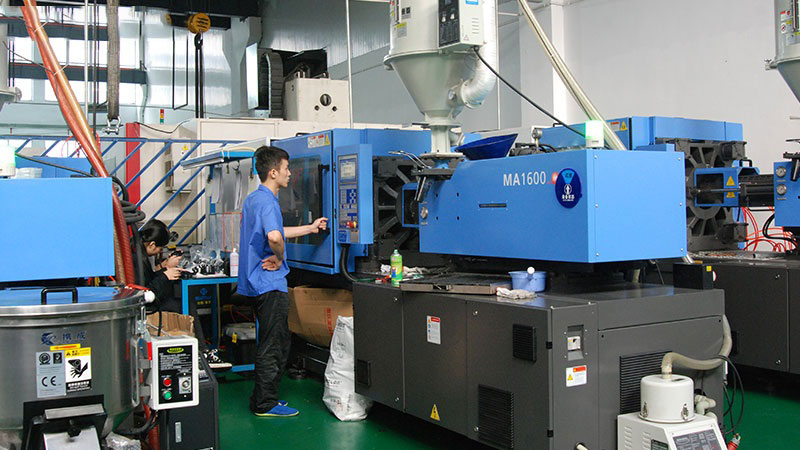
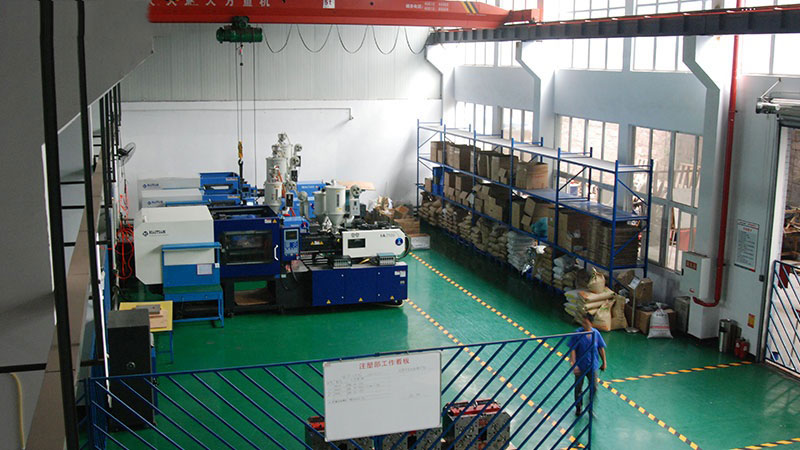
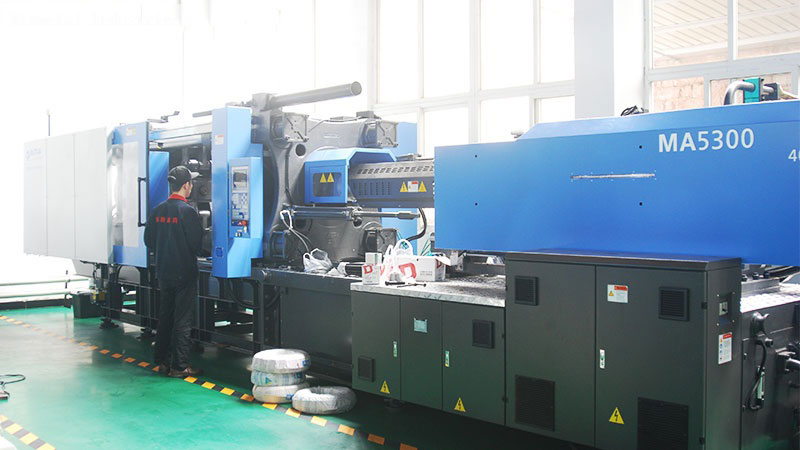
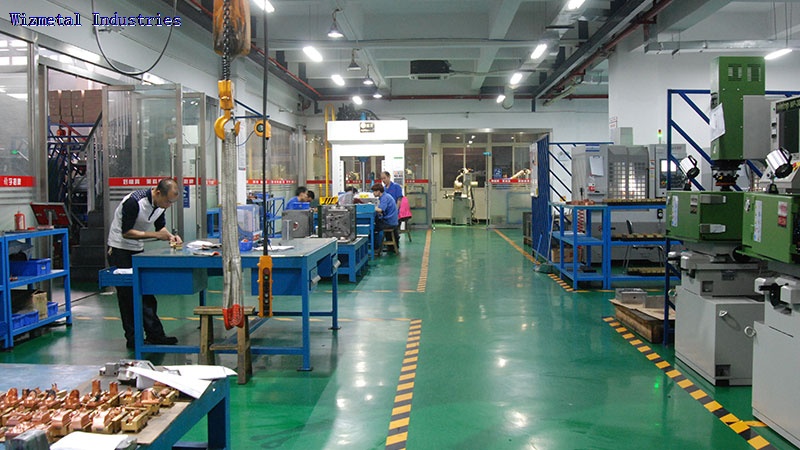
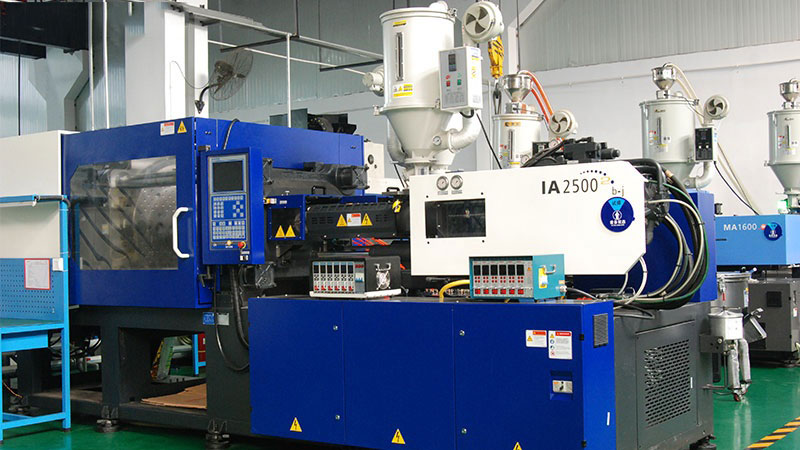
The foundation of a successful import project is rigorous supplier verification. The term “China mold factory” encompasses entities ranging from small workshops to vertically integrated industrial giants. Your first step must be to move beyond Alibaba listings and engage in deep due diligence. Request detailed company profiles that include years in operation, primary industries served, and client case studies, preferably with international references. Utilize video conferencing tools to conduct virtual factory tours; a reputable supplier will readily showcase their shop floor, machinery (look for modern CNC, EDM, and CMMs), and cleanroom environments for precision work. Verify business licenses and export credentials. In 2026, transparency is the first indicator of a professional mold manufacturer. This proactive verification replaces the hope embedded in “near me” with the certainty of a vetted global partner.
Clearly defining your technical requirements is non-negotiable and directly impacts quality control. Before requesting quotes, prepare a comprehensive technical data package. This should include 3D CAD models (STEP or IGES), 2D drawings with critical dimensions and tolerances clearly marked, material specifications (e.g., pre-hardened steel, stainless steel, aluminum), and expected production volume. For injection molds, specify the resin, expected cycle time, and cavitation requirements. Discuss mold flow analysis upfront; a competent supplier will propose this simulation to predict and prevent filling issues, warpage, and sink marks. This document becomes the contractual bedrock of your project, ensuring all quotes are based on identical specifications and providing an objective standard for quality inspection later. It transforms your procurement from a price negotiation to a technical collaboration.
Implementing staged quality control gates throughout the manufacturing process is what separates successful imports from costly failures. Do not settle for a simple “first article inspection” after the mold is complete. Insist on key inspection milestones. These typically include: material certification review after steel procurement, a preliminary inspection after rough machining, a critical review after heat treatment (to check for distortion), and a full dimensional inspection using CMM reports after finishing. For injection molds, a sample trial run (T1) at the supplier’s facility is essential. You or a trusted third-party inspector should be present to approve samples, document cycle parameters, and check part dimensions. This phased approach to quality control prevents major discrepancies at the final stage and allows for corrective actions with minimal delay and cost overrun.
Building a sustainable partnership requires managing logistics, intellectual property (IP), and communication effectively. Secure clear terms regarding packaging—molds should be crated for oceanic freight with proper rust prevention. Discuss incoterms (FOB is common) and ensure the supplier handles all export documentation professionally. For IP protection, a well-drafted Non-Disclosure Agreement (NDA) and product confidentiality agreement are mandatory before sharing any designs. While finding “mold manufacturers near me” might feel simpler, the logistical advantage of a Chinese partner is their daily experience in exporting worldwide. Establish structured communication protocols: a single point of contact on both sides, scheduled update meetings, and the use of shared platforms for document and photo updates. This professional framework turns a transactional purchase into a reliable supply chain extension.
The landscape in 2026 will reward buyers who leverage technology and focus on total cost of ownership. Consider partnering with suppliers investing in Industry 4.0, such as those offering digital twins of molds or real-time production monitoring. While unit price is important, evaluate the total cost, which includes mold life, maintenance, part quality consistency, and the supplier’s responsiveness for future modifications. The best China mold factory for you is one that aligns with your long-term strategic goals, not just your immediate budget. Attend major trade shows like Chinaplas or utilize B2B platforms with enhanced verification features to discover emerging, capable suppliers.
In conclusion, the most effective search for “mold manufacturers near me” for the overseas buyer in 2026 is a strategic, process-driven journey to China. By mastering supplier verification, defining precise technical requirements, enforcing staged quality control, and building a communicative partnership, you mitigate the inherent risks of distance. The goal is not merely to import a mold but to secure a competitive advantage through a reliable, high-quality manufacturing partnership. The best suppliers are those that operate as an extension of your own engineering and procurement team, delivering precision, value, and consistency that fuels your product’s success in the global market.
Work With Us
As a professional China mold manufacturer, we provide one-stop mold solution for overseas buyers.
📞 Phone: +86-18605944639
💬 WhatsApp: +8618605944639
🌐 Website: bestmoldworks.com
📧 Email: [email protected]