For overseas buyers, partnering with a reliable OEM plastic injection mold supplier in China remains one of the most strategic decisions to achieve cost efficiency and manufacturing scalability. However, the landscape of procurement is evolving rapidly. As we look toward 2026, success hinges on moving beyond simple price comparisons to building intelligent, risk-mitigated partnerships. This guide provides actionable, forward-looking tips to navigate the complexities of sourcing injection molds from China, ensuring your project’s quality, timeline, and commercial objectives are securely met.
Mastering Supplier Verification in the Digital Age
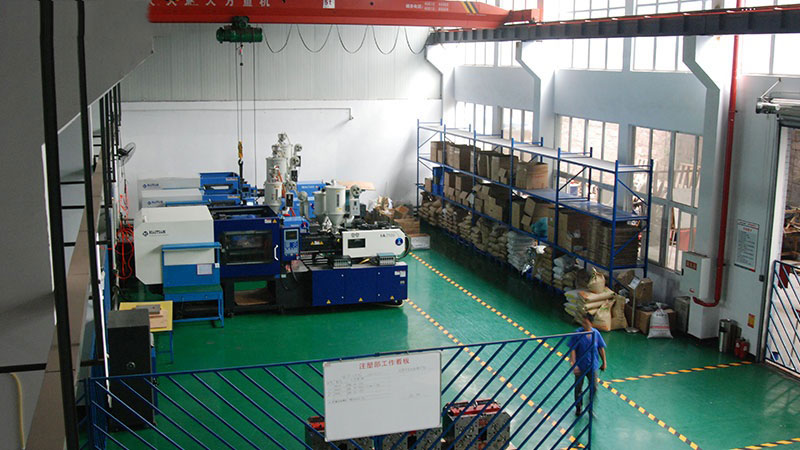
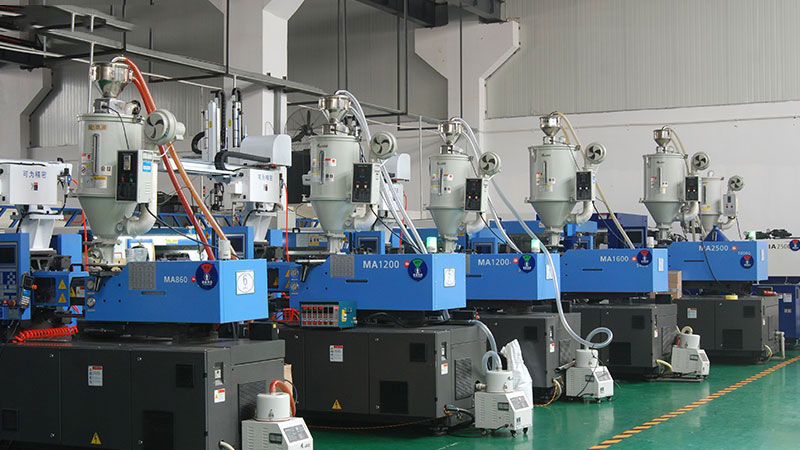
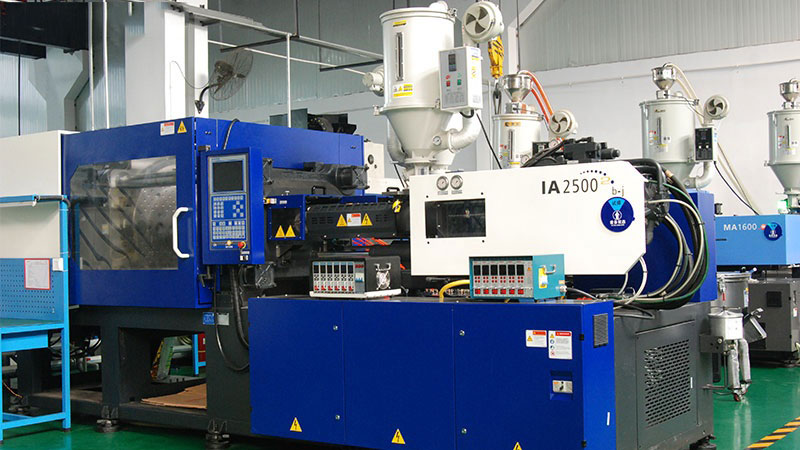
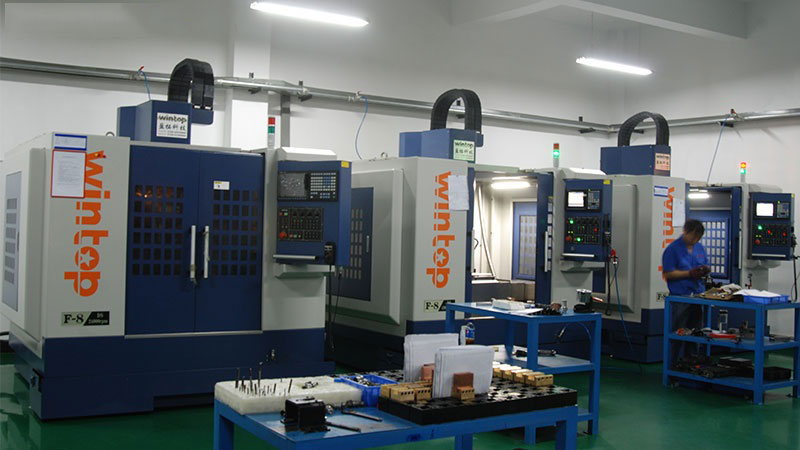
The foundation of a successful import project is a thoroughly vetted China mold factory. In 2026, verification extends far beyond a website check. Start with a multi-platform assessment: examine their professional presence on B2B platforms like Alibaba, but also scrutinize their activity on LinkedIn and industry-specific forums. Request virtual factory tours via live video call; a reputable supplier will readily showcase their shop floor, machinery, and quality control stations in real-time. Crucially, ask for and contact references from past overseas clients with projects similar in scale and complexity to yours. Verify business licenses and export records. This due diligence filters out trading companies masquerading as manufacturers and identifies true partners with a proven track record in OEM production.
Demanding Technical Transparency and DFM Collaboration
A professional OEM partnership is built on technical clarity. When discussing your project, a competent supplier will proactively engage in Design for Manufacturability (DFM) analysis. Provide detailed 3D drawings (STEP or IGES files) and expect a formal DFM report in return. This document should highlight potential issues like wall thickness, sink marks, undercuts, and gate locations, suggesting practical modifications that reduce cost and improve mold longevity. Evaluate their engineering prowess by asking specific questions about mold flow analysis (MFA), their standard mold base preferences (LKM, HASCO, DME), and their approach to cooling channel design. Their willingness and ability to offer constructive feedback at this stage are strong indicators of their expertise and commitment to your project’s success, not just accepting an order.
Implementing Tiered Quality Control Protocols
Quality control is the non-negotiable pillar of importing injection molds. Your agreement must define clear, phased inspection points. Stage one is a First Article Inspection (FAI) of critical mold components like cores and cavities, using CMM reports to verify dimensions against your CAD data. Stage two is a T1 sample approval process. Insist on receiving initial shot samples from the production mold, along with full inspection data. For high-stakes projects, engage a trusted third-party quality inspection service to conduct an on-site Pre-Shipment Inspection (PSI) at the China mold factory. This inspection should validate mold steel hardness, surface finish, ejection, and cooling system function, and the conformity of sample parts. Contractually linking payment milestones to these QC sign-offs aligns the supplier’s incentives with your quality expectations.
Navigating Logistics and Protecting Intellectual Property
A smooth procurement process accounts for post-production logistics and IP security. Clearly determine incoterms (EXW, FOB, CIF) with your supplier to avoid hidden costs and confusion over responsibility. For mold shipment, discuss packaging specifications—proper wooden crates with desiccant are essential—and insurance. On the critical front of Intellectual Property (IP), a professional OEM plastic injection mold supplier will treat this with seriousness. Ensure a robust Non-Disclosure Agreement (NDA) is signed before sharing any technical data. Furthermore, your contract should explicitly state that all molds, designs, and associated tooling are your exclusive property. For added security, some buyers opt to have mold cavities engraved with their company logo and a unique serial number.
Building a Partnership for Long-Term Success
The most strategic perspective for 2026 is to view your chosen supplier as a long-term development partner, not a one-time vendor. Discuss their capacity for future maintenance, repair, and modification of the mold. A reliable partner will offer reasonable rates and turnaround times for such services. Evaluate their scalability: can they support your production if volumes increase? Open, consistent communication is vital; establish regular update schedules and a primary point of contact. This relationship-centric approach fosters trust, often leading to priority service, better pricing on future projects, and collaborative problem-solving, turning your initial procurement into a sustained competitive advantage.
Conclusion
Importing molds from China in 2026 requires a blend of rigorous verification, technical collaboration, and strategic partnership management. By implementing these expert tips—from deep-dive supplier verification and demanding DFM analysis to enforcing staged quality control and securing IP—you transform the inherent complexities of overseas procurement into a streamlined, reliable process. The goal is to identify an OEM plastic injection mold supplier who acts as a true extension of your engineering and quality teams. With this disciplined approach, you can confidently leverage China’s manufacturing excellence to produce high-quality, cost-effective plastic components that drive your product’s success in the global market.
Work With Us
As a professional China mold manufacturer, we provide one-stop mold solution for overseas buyers.
📞 Phone: +86-18605944639
💬 WhatsApp: +8618605944639
🌐 Website: bestmoldworks.com
📧 Email: [email protected]