For overseas buyers, sourcing an injection mold from China remains one of the most effective strategies to achieve significant cost savings without necessarily compromising on quality. However, the landscape is vast and varied, making the journey from procurement to production fraught with potential pitfalls. As we look toward 2026, the market is more competitive and sophisticated than ever. Success hinges not on finding the cheapest option, but on identifying the right partner—a reliable injection mold china factory that aligns with your technical requirements, quality standards, and project timelines. This guide provides a professional, actionable framework to navigate this critical procurement process, ensuring your investment secures a mold that delivers precision, durability, and value.
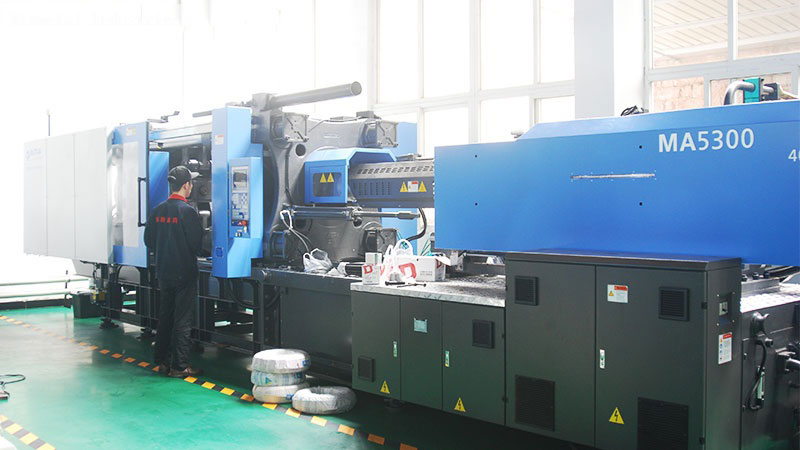
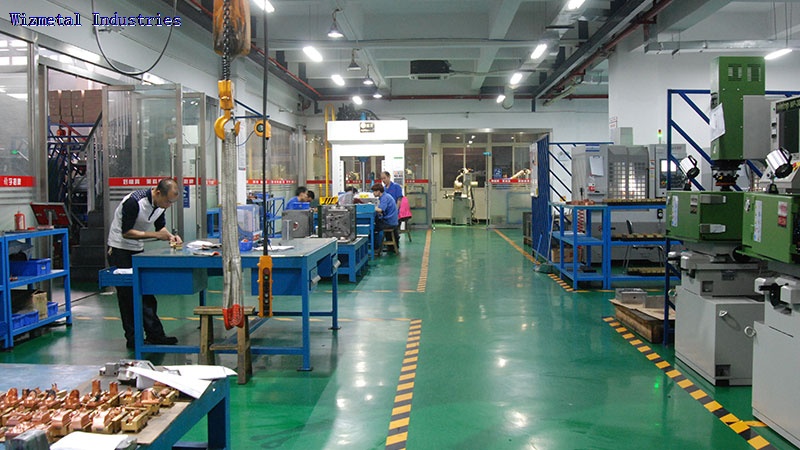
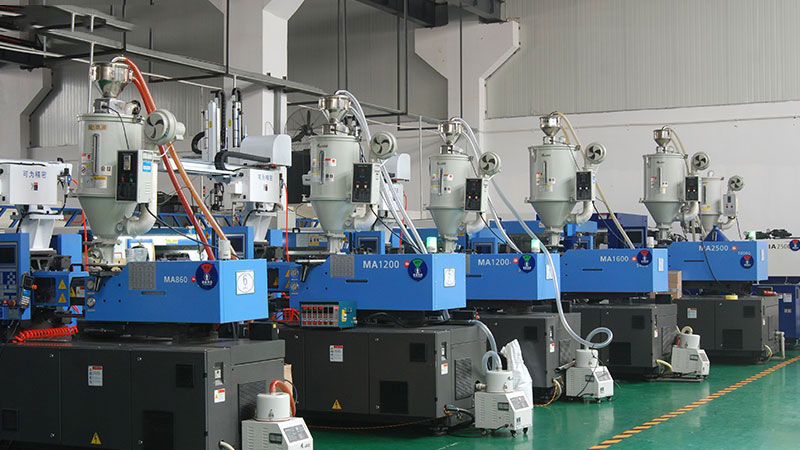
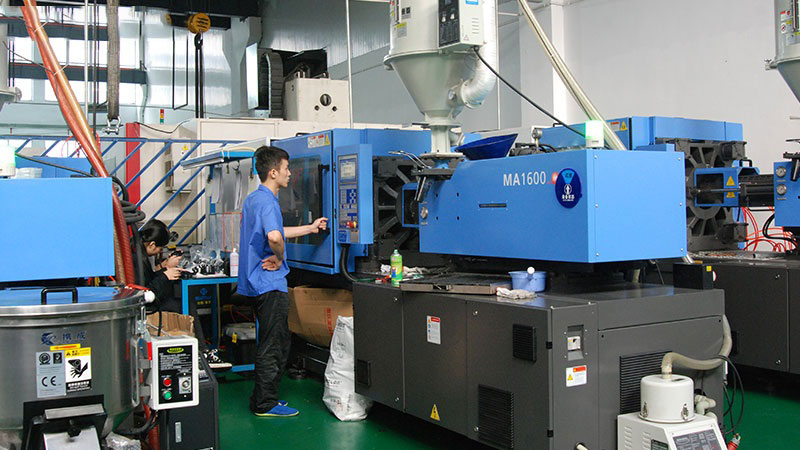
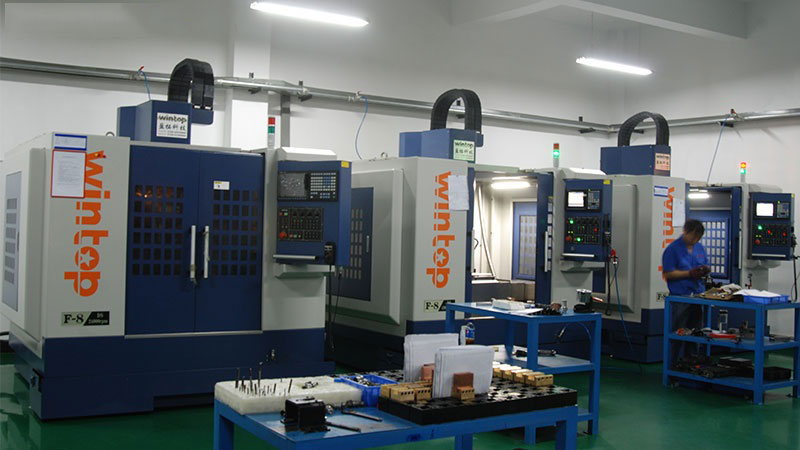
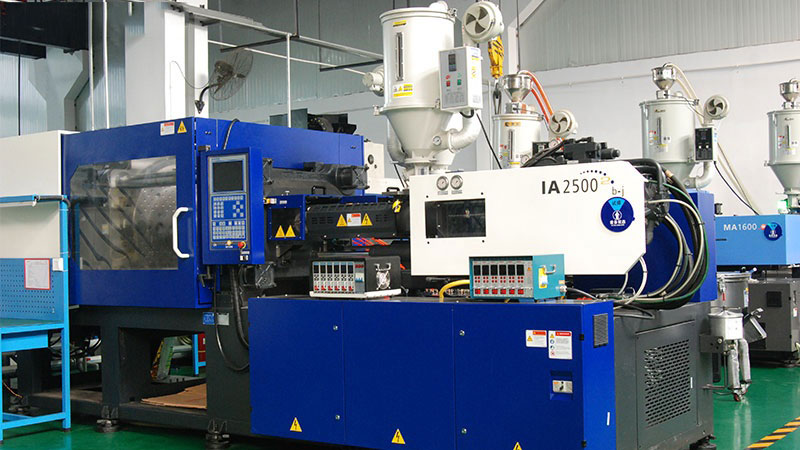
The cornerstone of a successful import project is rigorous supplier verification. Moving beyond a simple Google search or Alibaba listing is non-negotiable. Begin by creating a detailed Request for Quotation (RFQ) that includes part drawings, material specifications, expected volumes, tolerance requirements, and surface finish details. This document will filter out factories incapable of handling your project’s complexity. When evaluating responses, prioritize suppliers who ask insightful questions about your design, application, and lifecycle expectations. For deeper verification, insist on a video conference to tour their facility virtually. A reputable China mold factory will readily showcase their workshop, machinery (look for modern CNC, EDM, and CMM machines), and quality control stations. Furthermore, request and independently contact at least three references from past overseas clients with similar projects. This due diligence phase is your primary defense against underqualified vendors and sets the stage for a transparent partnership.
Once a potential partner is identified, the focus must shift to a robust and legally sound quality control framework. Do not assume that standards are universally understood or applied. Your technical agreement must explicitly define all critical dimensions, mold steel grade (such as H13, S136, or P20), cavity surface treatments, and performance criteria like cycle life and maintenance schedules. Implement a staged inspection protocol, typically consisting of a Design Review, a First Article Inspection (FAI) on the mold itself, and a Pre-Shipment Inspection (PSI) of initial sample parts produced by the mold. For high-value tools, engaging a trusted third-party quality inspection service within China for the FAI and PSI is a highly recommended investment. These inspectors act as your eyes on the ground, verifying that the injection mold meets all specifications before it leaves the factory floor. This proactive approach prevents costly rework and delays after the mold has been shipped overseas.
Clear communication and comprehensive documentation are the lifelines of international procurement. Misunderstandings in technical language or project milestones can lead to expensive errors. Assign a single, technically proficient point of contact on both sides to manage all communications. Utilize marked-up drawings, 3D models, and shared project management platforms to ensure alignment. All agreements, including payment terms (a common structure is 30-50% deposit, 40-60% before shipment, and 10% retained until sample approval), delivery schedule with penalties for delays, and intellectual property (IP) clauses, must be formalized in a detailed contract. The IP clause is particularly crucial; it should guarantee that your part and mold designs remain your exclusive property and will not be used for or sold to any other party. A professional injection mold china factory will respect and adhere to these contractual norms, viewing them as the foundation of a long-term business relationship rather than an obstacle.
The most forward-thinking buyers view their mold supplier not as a one-time vendor but as a strategic manufacturing partner. This is especially true as we approach 2026, where supply chain resilience and adaptability are paramount. Discuss the factory’s capacity for future support: can they store your mold, provide maintenance, and produce low-volume batches or full production runs? Understanding their full service offering can streamline your entire supply chain. Furthermore, the best suppliers often provide Design for Manufacturability (DFM) feedback during the quoting stage. Their expertise in injection molding can suggest subtle design tweaks that significantly reduce mold complexity, improve part strength, or shorten cycle times, saving you money and improving the final product. Cultivating this collaborative relationship transforms the procurement process from a transactional cost-center into a value-adding partnership that supports your product’s success for years to come.
In conclusion, importing an injection mold from China in 2026 presents a tremendous opportunity for cost-effective and high-quality manufacturing, but it demands a disciplined and informed approach. The path to success is built on systematic supplier verification, uncompromising quality control protocols, crystal-clear communication, and a mindset geared toward partnership. By following these actionable steps, you move beyond simply finding a supplier to strategically selecting a capable and reliable injection mold china factory. This diligence ensures that the mold you import is a robust, precision tool that produces perfect parts consistently, ultimately protecting your investment, your product quality, and your brand reputation in the global marketplace.
Work With Us
As a professional China mold manufacturer, we provide one-stop mold solution for overseas buyers.
📞 Phone: +86-18605944639
💬 WhatsApp: +8618605944639
🌐 Website: bestmoldworks.com
📧 Email: [email protected]