For overseas buyers, sourcing blow moulds from China remains a compelling strategy to achieve significant cost savings and access advanced manufacturing capabilities. However, the journey from identifying a potential supplier to receiving a high-quality, production-ready mold is fraught with challenges. As we look toward 2026, the landscape is evolving, demanding more sophisticated approaches to supplier verification and quality assurance. This guide provides actionable, professional insights to help you navigate the market of blow mould manufacturers in China, ensuring your procurement process is efficient, secure, and results-driven.
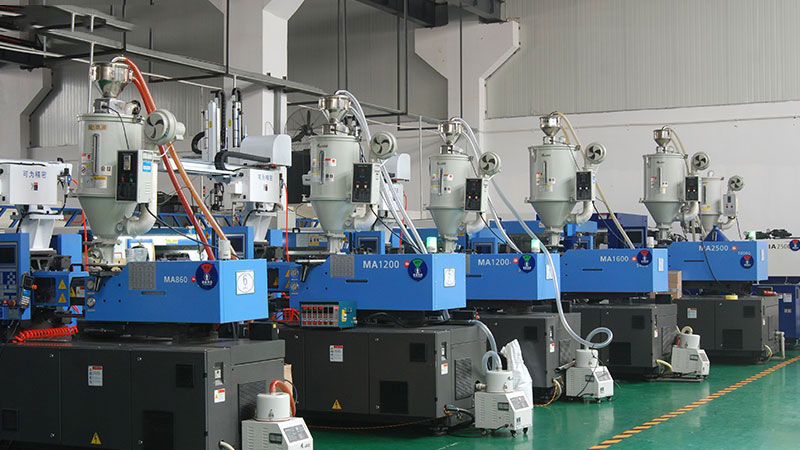
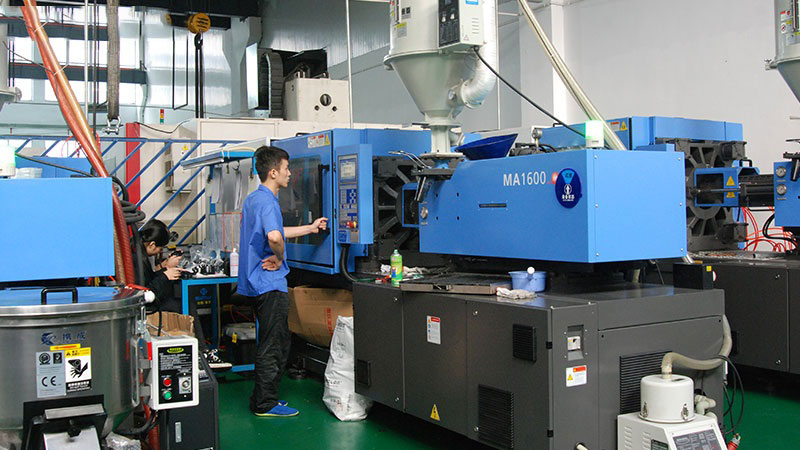
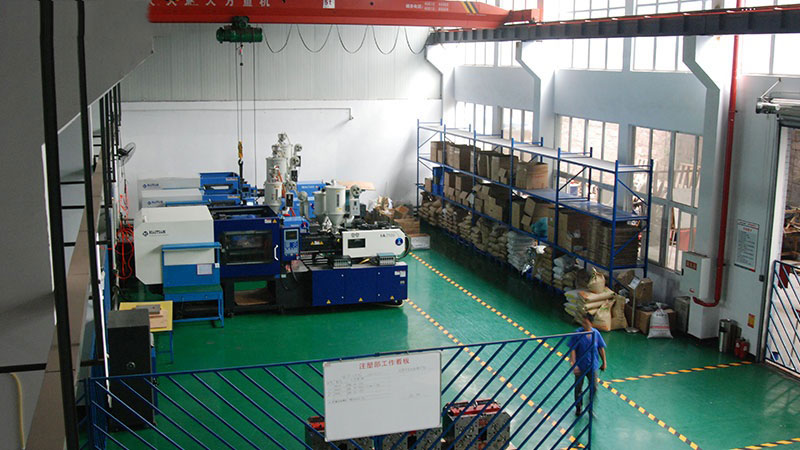
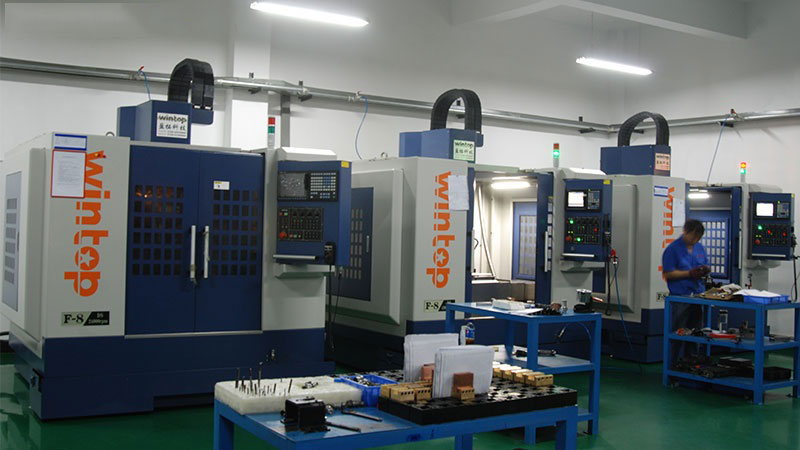
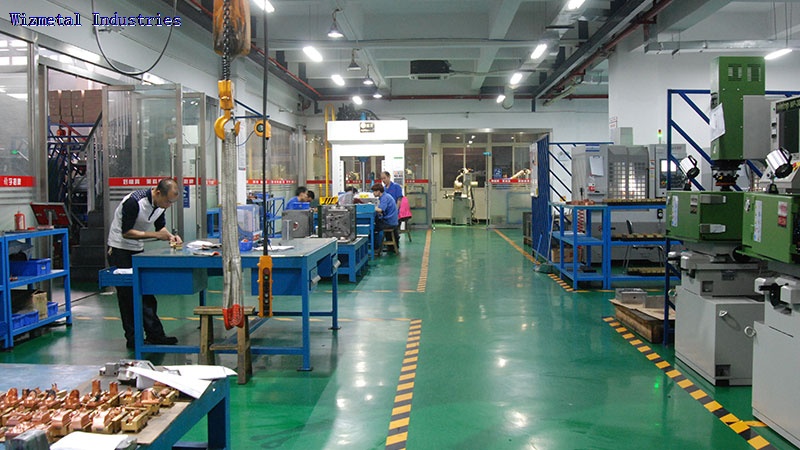
The foundation of a successful import project lies in meticulous supplier verification. Moving beyond simple Alibaba listings is crucial for 2026. Start with a deep-dive into the China mold factory’s specialization. A manufacturer proficient in injection mold production may not possess the same expertise in blow molding, which requires specific knowledge of parison control, pinch-off design, and air pressure systems. Request detailed case studies and client references, specifically for blow mould projects similar in size and complexity to yours. Utilize video conferencing for virtual factory tours, paying close attention to their workshop organization, machinery brands, and in-house testing facilities. Third-party verification reports from reputable agencies can provide an unbiased assessment of their operational and financial stability, mitigating your risk from the outset.
Once a potential partner is shortlisted, the focus must shift to precision in technical communication and design for manufacturability. Ambiguity in technical drawings or material specifications is a primary cause of cost overruns and delays. Ensure all part designs, including 3D models and 2D drawings with GD&T, are thoroughly reviewed for moldability. Engage in a collaborative DFM (Design for Manufacturability) process with the engineering team of your chosen blow mould manufacturer. This step is where expertise is proven; a reliable partner will identify potential issues in wall thickness uniformity, draft angles, and cooling channel placement before steel is cut. Clearly specify the resin material you intend to use, as this directly impacts the mold’s core material selection, cooling design, and surface treatment requirements.
Implementing a structured, multi-stage quality control protocol is non-negotiable. Do not treat QC as a single event at the end of production. Instead, integrate it into the entire timeline. Key inspection points should include a First Article Inspection (FAI) after the mold is fabricated but before trial, a pre-shipment sample evaluation using production-grade materials, and a final audit at the factory before shipment. For the sample evaluation, insist on receiving actual blow-molded parts from the mold, not just the tool itself. Measure critical dimensions, check for defects like flash or uneven walls, and assess the cycle time. Consider engaging a local third-party quality inspection service specializing in molds to conduct these checks on your behalf, providing an objective layer of oversight that aligns with international standards.
Understanding and negotiating contractual terms with clarity protects your investment. A professional procurement strategy addresses intellectual property, payment terms, and liability. Ensure your contract includes clear IP ownership clauses for the mold design. Opt for a staggered payment schedule tied to project milestones, such as 30% upon order confirmation, 40% after successful sample approval, and 30% before shipment. Crucially, define the terms for mold modification and repair. Who bears the cost for adjustments if the initial samples deviate from spec due to a design oversight versus a manufacturing error? A reliable partner will have transparent policies on this. Furthermore, confirm the warranty period for the mold’s workmanship and the supplier’s commitment to providing spare parts or repair services in the future.
The most forward-thinking buyers are building strategic, long-term partnerships rather than pursuing transactional deals. A reliable China mold factory viewed as a partner becomes an extension of your R&D and production team. They can provide valuable input on material innovations, cost-reduction techniques, and maintenance best practices specific to the blow molding process. Foster this relationship through clear communication, fair dealings, and planned visits. As we advance into 2026, leveraging digital tools for project management and communication will further streamline collaboration, making the geographical distance negligible.
In conclusion, successfully importing blow moulds from China in 2026 requires a blend of rigorous due diligence, technical collaboration, and strategic partnership building. The competitive advantage lies not merely in finding a low-cost producer but in identifying a competent, transparent, and reliable manufacturing ally. By mastering the processes of thorough supplier verification, precise technical communication, staged quality control, and smart contracting, overseas buyers can confidently tap into China’s manufacturing prowess. This disciplined approach transforms the complex challenge of overseas procurement into a reliable driver for product quality, innovation, and market competitiveness.
Work With Us
As a professional China mold manufacturer, we provide one-stop mold solution for overseas buyers.
📞 Phone: +86-18605944639
💬 WhatsApp: +8618605944639
🌐 Website: bestmoldworks.com
📧 Email: [email protected]