Category: Custom molds for resin

  • China mold Manufacturerturer: Best Suppliers & Qualit 2026

    For overseas buyers, sourcing precision tooling from China represents a significant opportunity for cost efficiency and advanced manufacturing capability. However, navigating the vast landscape of suppliers to find a reliable China mold manufacturer can be daunting. Concerns about quality consistency, communication barriers, and logistical complexities are real and valid. This guide for 2026 cuts through the noise, offering a professional, actionable framework to secure not just a supplier, but a competent manufacturing partner. The goal is to transform your procurement process from a risky venture into a strategic advantage.

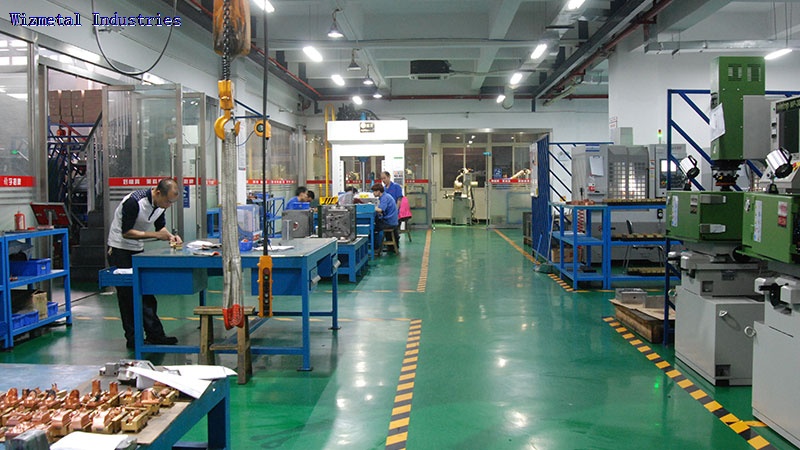
    The foundation of a successful import project is rigorous supplier verification. Moving beyond a simple Alibaba search is crucial for 2026. Start by identifying a shortlist of potential China mold factories with proven experience in your specific industry, whether automotive, medical, consumer electronics, or packaging. Scrutinize their digital footprint: a professional website with detailed case studies, technical blogs, and clear organizational information is a positive indicator. Utilize third-party verification platforms for business license checks. Crucially, initiate direct contact via video call. Request a virtual factory tour to assess their machinery (e.g., CNC, EDM), workshop organization, and engineering team. This step filters out trading companies masquerading as manufacturers and aligns you with a true China mold manufacturer capable of handling your project’s technical demands.

    Once a potential partner is identified, defining and agreeing upon explicit quality control protocols before order placement is non-negotiable. For injection molds and other tooling, quality is built into every stage. Your purchase order or contract should mandate a documented Quality Control Plan (QCP). This plan must include staged inspection points, such as a First Article Inspection (FAI) after mold completion, using a Coordinate Measuring Machine (CMM) report to verify critical dimensions against your 3D data. For injection mold projects, a Trial Run Report with sample parts is essential. Specify the standards (e.g., DME, HASCO, or your own custom checklist) for mold materials and components. Clearly state who is responsible for inspection costs and how non-conformities will be resolved. Proactive quality planning prevents costly disputes and ensures the mold arrives ready for production.

    Effective communication and detailed technical documentation are the twin engines that drive a project to success. Ambiguity is the enemy of precision mold making. Provide a comprehensive technical data package, including 3D CAD files (STEP, IGES), 2D drawings with critical tolerances, material specifications for the final part, and expected production volume. Appoint a single point of contact on both sides, preferably with engineering knowledge. During the design review phase, a competent China mold factory will provide DFM (Design for Manufacturability) feedback, suggesting modifications to improve mold life, part quality, and manufacturability. Engage deeply in this process. Furthermore, establish regular update schedules—weekly photo or video updates of machining progress are a standard best practice in 2026, offering transparency and building trust throughout the procurement cycle.

    Understanding the total cost structure and managing logistics are final, critical steps. The cheapest mold quote often becomes the most expensive due to delays, reworks, and premature failure. Analyze quotes comprehensively: they should break down costs for mold base, cavity/core steel, machining hours, surface treatments, and trials. Clarify payment terms; a secure milestone-based schedule (e.g., 30% deposit, 40% after approval of T1 samples, 30% before shipment) is standard and protects both parties. For logistics, discuss Incoterms explicitly (FOB is common). Decide whether you or the supplier will handle freight forwarding and customs clearance. Ensure the mold is properly crated for ocean freight and that all necessary export documentation is prepared. A smooth logistical handover is the final test of a supplier’s professionalism.

    Sourcing molds from China in 2026 is a strategic endeavor that rewards diligence and structured partnership. By prioritizing thorough supplier verification, enforcing pre-agreed quality control measures, investing in clear technical communication, and understanding the full scope of costs and logistics, overseas buyers can mitigate risks substantially. The objective is to build a relationship with a China mold manufacturer that is based on transparency and technical competence, turning the geographical distance into an irrelevance. This approach not only secures a high-quality tool but also establishes a reliable supply chain asset for years of production to come, ensuring that your investment delivers sustained value and competitive advantage.

    Work With Us

    As a professional China mold manufacturer, we provide one-stop mold solution for overseas buyers.
    📞 Phone: +86-18605944639
    💬 WhatsApp: +8618605944639
    🌐 Website: bestmoldworks.com
    📧 Email: [email protected]
  • plastic mold China: Professional Buying Guide 2026

    For overseas businesses, sourcing a plastic mold from China represents a significant strategic advantage, offering access to advanced manufacturing capabilities at competitive costs. However, the journey from concept to a high-quality, production-ready tool in your facility is fraught with potential complexities. Navigating a different business culture, verifying technical expertise, and ensuring consistent quality from thousands of miles away require a meticulous, informed approach. This professional guide for 2026 cuts through the noise to provide actionable, real-world strategies for securing a reliable China mold factory partnership and achieving a successful import outcome.

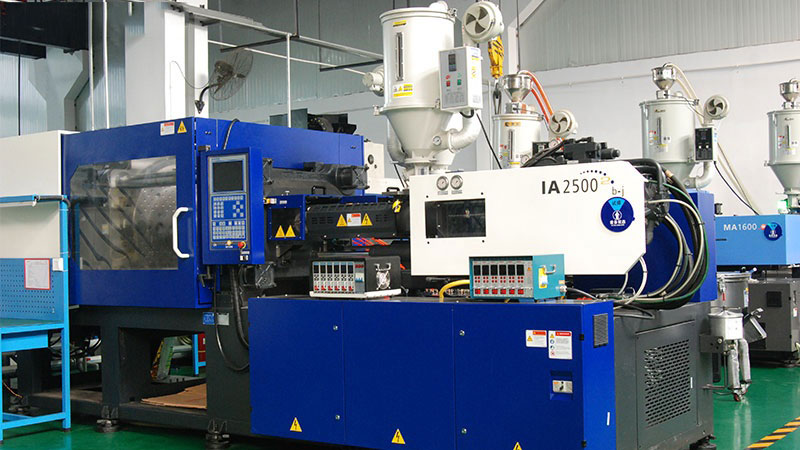
    The cornerstone of a successful import project is the rigorous verification of your potential supplier. In 2026, due diligence extends far beyond a cursory website review. Begin with a deep technical audit. Request detailed case studies of previous projects, specifically those involving similar materials, complexities, and industries to your own. Insist on a video tour of the facility; a reputable injection mold manufacturer will readily showcase their CNC machining centers, EDM equipment, and quality control labs. Crucially, verify their proficiency with the specific mold standards you require, whether it’s HASCO, DME, or local standards, and their experience with desired surface finishes. Furthermore, utilize third-party verification services to check business licenses and export credentials. This step filters out trading companies masquerading as factories and ensures you engage with a legitimate producer capable of direct, transparent communication.

    Once a shortlist of qualified candidates is established, mastering the technical and commercial quotation process is vital. A professional quotation for an injection mold from China should be exhaustively detailed, not a single bottom-line figure. It must itemize core components: mold base steel grade and hardness, cavity and core material specifications, details of the hot runner system (if applicable), cooling line design, ejection mechanism, and a clear breakdown of all surface treatments. The quote should explicitly state what is included: number of trial samples, T1 sample inspection report format, and the terms for engineering changes. In 2026, leading factories utilize digital collaboration tools. Expect and request the use of shared portals for 3D model reviews (STEP/IGES files), mold flow analysis reports before steel is cut, and regular progress updates with photos and videos. This transparency transforms the procurement phase from a black box into a collaborative engineering effort.

    The most critical phase, often where projects falter, is proactive quality control and communication. Do not assume quality will be managed passively. Define and agree upon a Quality Inspection Plan (QIP) before order placement. This plan should mandate key checkpoints: a First Article Inspection (FAI) after mold completion, a pre-shipment audit where critical dimensions are verified against your CAD data using CMM reports, and a formal sample approval process for T1 shots. For high-value or high-volume tools, engaging a local third-party quality inspection agency for an on-site audit during the T1 sample stage is a prudent investment. Schedule regular, structured video conferences with the project engineering team, not just sales, to review progress. Clear, documented communication via shared platforms prevents misunderstandings and ensures the final plastic mold China delivers meets all functional and aesthetic specifications.

    Finally, a holistic view of logistics, intellectual property (IP) protection, and the total cost of ownership separates savvy buyers from the rest. Understand Incoterms 2020 thoroughly; FOB is common, but for simplicity, consider CFR or DDP to let the experienced factory handle complex logistics. Ensure proper mold packaging is specified to prevent transit damage. Regarding IP, a robust Non-Disclosure Agreement (NDA) and a product confidentiality agreement are non-negotiable. Register your design patents in China if the product is highly unique. While unit cost is important, evaluate the total cost of ownership. A slightly higher initial investment in a superior mold from a verified China mold factory often results in lower per-part costs, fewer production stoppages, and longer tool life, offering far greater long-term value than the cheapest upfront option.

    Successfully importing a plastic mold from China in 2026 is a systematic process that rewards preparation and partnership. By implementing a disciplined approach to supplier verification, demanding technical clarity in quotations, enforcing rigorous quality control protocols, and planning for the complete project lifecycle, overseas buyers can mitigate risks substantially. The goal is to transition from a simple customer to a valued technical partner with your chosen manufacturer. This professional, hands-on methodology ensures that your investment yields not just a tool, but a reliable, high-performance asset that drives your production efficiency and product quality for years to come, solidifying China’s role as a premier source for world-class injection mold manufacturing.

    Work With Us

    As a professional China mold manufacturer, we provide one-stop mold solution for overseas buyers.
    📞 Phone: +86-18605944639
    💬 WhatsApp: +8618605944639
    🌐 Website: bestmoldworks.com
    📧 Email: [email protected]
  • China mold supplier: Complete Procurement Guide 2026

    For overseas buyers, sourcing precision tooling from China represents a significant opportunity for cost efficiency and advanced manufacturing capability. However, navigating this complex landscape requires more than just finding a low quote. The journey from concept to a perfect, production-ready mold involves nuanced steps in selection, verification, and quality management. This 2026 guide is designed to cut through the noise, offering a professional, actionable roadmap to successfully partner with a reliable China mold supplier and secure high-quality injection molds that meet your exact specifications.

    The cornerstone of a successful import project is selecting the right partner, not just the cheapest option. Begin by moving beyond basic online directories. Utilize professional B2B platforms like Made-in-China.com or Global Sources, but apply advanced filters: focus on suppliers with verified onsite checks, audited reports, and a portfolio in your specific industry, whether automotive, medical, consumer electronics, or packaging. The term “China mold factory” implies a production-centric operation; prioritize these over trading companies for direct communication and better cost control. Scrutinize their technical capabilities: do they have experience with the mold steel you require (e.g., P20, H13, S136)? Can they demonstrate proficiency in the necessary technologies, such as hot runner systems, EDM, or high-precision CNC machining? Initial communication should involve a detailed RFQ (Request for Quotation) that includes part drawings, material specifications, expected cycle times, and annual volumes. A competent supplier will respond with technical questions, not just a price.

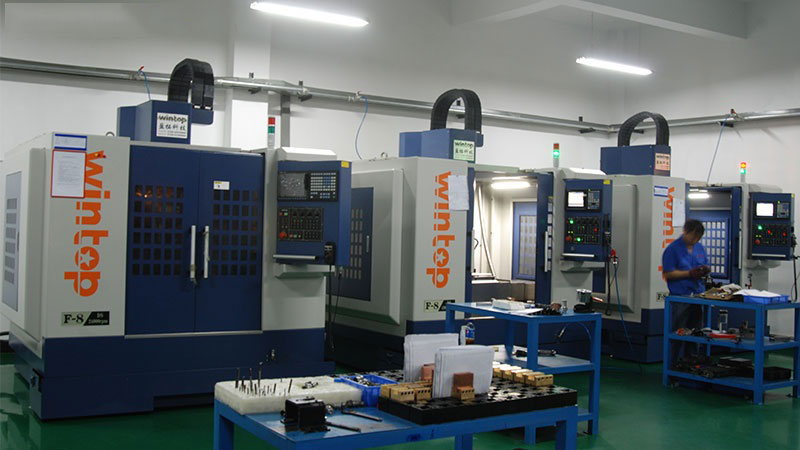
    Once you have a shortlist, rigorous supplier verification is non-negotiable. In 2026, virtual audits have become highly sophisticated and are a standard part of the procurement process. Insist on a live video tour of the manufacturing facility. Observe the workshop organization, the age and maintenance of machinery (look for brands like DMG Mori, GF Machining Solutions, or Sodick), and the in-house quality control equipment, such as CMMs (Coordinate Measuring Machines) and optical comparators. Request and contact references from their existing overseas clients. Furthermore, verify business licenses and export records. A crucial step is to assess their project management structure: identify your single point of contact and the English-speaking engineering team. A professional China mold supplier will have a dedicated project manager who understands international timelines and communication protocols, ensuring smooth coordination across time zones.

    A clear and legally robust technical agreement is your primary tool for preventing misunderstandings. This goes beyond a simple purchase order. Develop a comprehensive Technical Specification Sheet that is part of the contract. This document should detail every aspect: final part 3D data (STEP or IGES), mold flow analysis requirements, mold base standards (DME, HASCO, or LKM), steel grade and hardness for each component, surface finish specifications (SPI/VDI standards), tolerance levels for critical dimensions, and the delivery of all design documents (2D drawings, 3D mold assembly). Explicitly outline the approval process for the mold design (DFM report) and the sampling stage. Define what constitutes an acceptable First Article Inspection (FAI) report and who bears the cost for additional sampling if standards are not met. This level of detail aligns expectations and provides a clear benchmark for the subsequent quality control phases.

    Proactive quality control, not just final inspection, is what separates successful imports from costly failures. For injection mold projects, implement a staged QC protocol. The first checkpoint is the pre-production mold design review and DFM analysis. The second critical stage is the T1 sample evaluation. Do not approve samples from manually polished prototypes; insist on samples from the actual production mold, run on standard parameters. These samples should be measured against your FAI report. For high-value or high-volume projects, consider engaging a local third-party inspection agency in the supplier’s region for critical in-process checks, such as steel hardness testing before heat treatment or cavity dimension verification after EDM. A reliable China mold factory will welcome this collaborative approach to quality as it demonstrates your seriousness and reduces the risk of disputes. Ensure your final payment terms are linked to the successful approval of production samples and the completion of a pre-shipment audit.

    The final phase encompasses logistics, intellectual property protection, and long-term partnership. For logistics, work with your supplier to determine the optimal shipping method—air freight for urgency, sea freight for cost-effectiveness on large molds. Ensure proper wooden crate packaging with desiccant to prevent rust during transit. Intellectual Property (IP) protection remains a top concern. While a well-drafted NNN Agreement (Non-Use, Non-Disclosure, Non-Circumvention) governed by a neutral jurisdiction like Hong Kong SAR is essential, practical protection is also key. Consider segmenting the manufacturing process or adding unique, non-critical design features that are difficult to reverse-engineer. Upon successful project completion, view your supplier as a strategic partner. A trustworthy China mold supplier excels not only in initial creation but also in ongoing maintenance, repair, and future design iterations. Building this relationship fosters better pricing, priority scheduling, and continuous improvement on subsequent projects.

    Importing molds from China in 2026 is a strategic endeavor that balances significant cost advantages with diligent operational oversight. The path to success is built on methodical supplier selection, thorough verification, ironclad technical agreements, staged quality control, and a focus on long-term collaboration. By treating your chosen China mold supplier as a technical partner and investing in the upfront steps of procurement and verification, you transform the complexity of international sourcing into a reliable, competitive advantage for your manufacturing operations. The goal is not merely to buy a mold, but to secure a cornerstone of your production quality and efficiency for years to come.

    Work With Us

    As a professional China mold manufacturer, we provide one-stop mold solution for overseas buyers.
    📞 Phone: +86-18605944639
    💬 WhatsApp: +8618605944639
    🌐 Website: bestmoldworks.com
    📧 Email: [email protected]
  • plastic mold factory China: Complete Procurement Guide 2026

    For overseas buyers, sourcing a reliable plastic mold factory in China remains one of the most strategic decisions to achieve cost efficiency and manufacturing scalability. However, the landscape is evolving rapidly. The China mold factory sector in 2026 is characterized by increased automation, a sharper focus on high-precision industries, and a wider gap between basic workshops and technologically advanced manufacturers. This guide cuts through the noise to provide a current, actionable framework for your procurement journey, helping you mitigate risks and secure a partnership that delivers quality, value, and reliability.

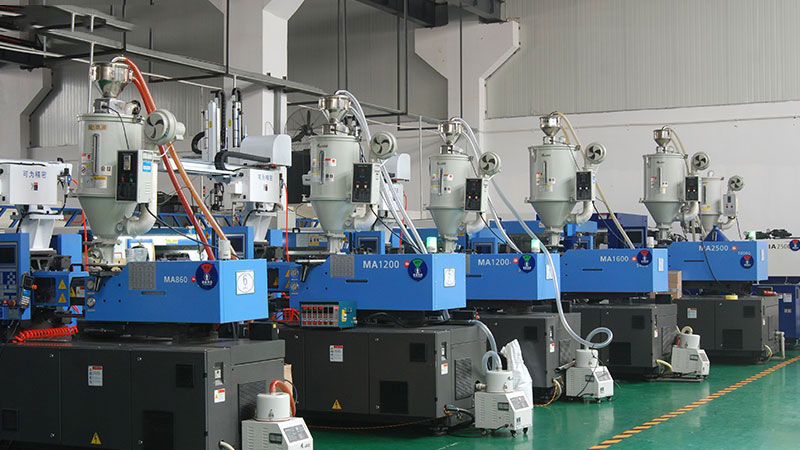
    The cornerstone of successful procurement is meticulous supplier verification. Moving beyond Alibaba listings is non-negotiable. Start with a deep-dive into the manufacturer’s specialization. A factory claiming to do everything often excels at nothing. Scrutinize their portfolio for projects similar to your injection mold in complexity, material, and industry (e.g., automotive, medical, consumer electronics). Utilize video verification tours as a standard step; a reputable plastic mold factory China will readily conduct live walkthroughs of their CNC, EDM, and quality control areas. Crucially, verify business licenses and, for regulated industries, relevant certifications like ISO 9001, IATF 16949 for automotive, or ISO 13485 for medical devices. Third-party verification platforms and background checks can confirm export history and legal standing, providing a solid foundation for trust.

    Once a shortlist is established, mastering the technical and commercial quotation process is vital. A professional China mold factory will request comprehensive data: 3D CAD files (STEP or IGS), 2D drawings with critical tolerances, material specifications, and expected annual volumes. Beware of unusually low quotes; they often signal corner-cutting on steel grade, cooling design, or post-processing. Demand a detailed breakdown covering mold base steel (e.g., P20, 718, S136), cavity/core steel, number of cavities, hot runner system brand (if needed), and all surface treatments. Clearly define the approval process: who is responsible for DFM (Design for Manufacturability) reports, and how will T1 sample approvals be handled? A transparent quote and collaborative DFM stage prevent costly changes and misunderstandings later, ensuring the injection mold is designed for both performance and manufacturability.

    The adage “trust, but verify” is paramount in quality control. Your engagement cannot end at order placement. Implement staged inspection milestones. The first critical checkpoint is the pre-production inspection of mold components and steel material certificates. The second is the T1 sample evaluation. Do not accept samples from a different machine or material than specified. Measure critical dimensions, check gate locations, and assess surface finish against your approved master sample or CAD data. Consider engaging a local third-party inspection agency for these key stages if you cannot be present. Discuss the factory’s internal QC protocols: what CMM (Coordinate Measuring Machine) and other metrology tools do they use? How are mold trials documented? A professional plastic mold factory China will provide full inspection reports and video of the mold trial, offering transparent evidence of quality before shipment.

    Navigating logistics, intellectual property protection, and post-sales support finalizes a secure procurement cycle. Use clear Incoterms 2026 (e.g., FOB, EXW) to delineate responsibilities. For the mold itself, ensure proper packaging and insurance for sea freight. Intellectual Property protection begins with a robust Non-Disclosure Agreement (NDA) and a Product Manufacturing Agreement (PMA) that explicitly states ownership of all mold design and tooling. While legal enforcement has challenges, working with established, brand-conscious factories reduces IP risk significantly. Finally, clarify post-sales support. What is the warranty period for workmanship and materials? How are repair or maintenance requests handled? Will they store the mold for future production runs? A reliable partner views the mold as the start of a long-term relationship, not a one-time transaction.

    In conclusion, importing an injection mold from China in 2026 demands a strategic, informed, and hands-on approach. The process, from rigorous supplier verification and detailed technical negotiation to staged quality control and clear contractual agreements, is your blueprint for success. By focusing on specialized, transparent, and well-equipped partners, you transform the perceived complexity of overseas procurement into a competitive advantage. The right China mold factory is more than a supplier; it is a technical collaborator crucial to bringing your product to market with efficiency, quality, and cost-effectiveness. Let this guide be your roadmap to building that essential partnership.

    Work With Us

    As a professional China mold manufacturer, we provide one-stop mold solution for overseas buyers.
    📞 Phone: +86-18605944639
    💬 WhatsApp: +8618605944639
    🌐 Website: bestmoldworks.com
    📧 Email: [email protected]
  • custom injection molding companies: Ultimate Guide for 2026

    For overseas buyers, partnering with the right custom injection molding companies in China remains one of the most strategic decisions to ensure product quality, control costs, and accelerate time-to-market. However, the landscape is evolving rapidly. As we approach 2026, the challenges of supplier verification, communication barriers, and consistent quality control persist, but the solutions have become more sophisticated. This ultimate guide is designed to cut through the noise and provide you with a professional, actionable framework for successfully importing high-quality injection molds from China. We will move beyond basic directories and focus on the practical steps that separate successful, long-term partnerships from costly procurement mistakes.

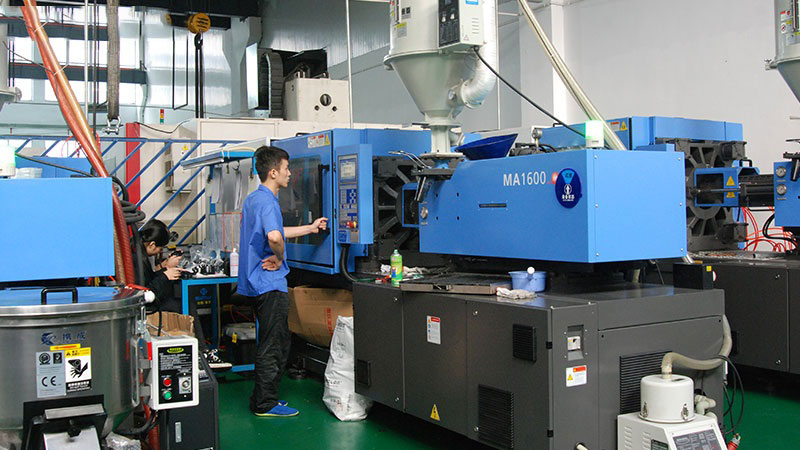
    The cornerstone of any successful import venture is rigorous supplier verification. In 2026, this means moving far beyond a simple website check or Alibaba transaction history. Start by identifying a shortlist of potential China mold factory partners through industry-specific B2B platforms, trade shows like Chinaplas, and referrals from your network. The critical step is to conduct a multi-layered verification process. First, verify business licenses and export credentials. Next, request and scrutinize detailed case studies and portfolios that match your product’s complexity. Most importantly, insist on a live video audit of their facility. This allows you to see their machinery, such as CNC, EDM, and injection molding machines, gauge workshop organization, and assess their engineering team’s capability in real-time. This proactive approach mitigates the risk of dealing with non-specialized or under-equipped workshops.

    Once a potential partner is verified, the next phase is mastering the technical and commercial communication. The procurement of a custom injection mold is a collaborative engineering endeavor, not just a purchase order. To ensure clarity, develop a comprehensive and unambiguous Request for Quotation package. This should include not just CAD drawings, but a detailed specification document covering material grade, cavity requirements, tolerances, surface finish, expected cycle time, and quality standards. During discussions, pay close attention to their Design for Manufacturability feedback. A competent supplier will suggest modifications to part geometry or gate locations to improve moldability and reduce cost. Furthermore, establish a single point of contact for technical queries and use visual aids like marked-up drawings and video calls to overcome language barriers. Clearly define all commercial terms, including payment milestones, tooling ownership, and intellectual property protection in a formal contract.

    The most critical, yet often overlooked, stage is implementing a robust quality control protocol before the mold leaves the factory. Do not accept a mold based solely on a final inspection report. Instead, integrate quality checkpoints throughout the build process. Require the supplier to provide and approve First Article Inspection reports at key stages: after material procurement, upon completion of the mold base, after cavity polishing, and most crucially, after the initial trial run. The Trial Sample Report is your most valuable tool. It should include data on part dimensions, material certification, and photographs of the molded parts. For high-value or high-volume projects, engaging a local third-party inspection company to conduct a Pre-Shipment Inspection is a wise investment. They can verify the mold’s workmanship, test it on a machine, and measure the initial production samples against your specifications, ensuring the injection mold meets all agreed standards before shipment.

    Building a successful partnership extends beyond the first order. The leading custom injection molding companies view each project as the start of a long-term relationship. To foster this, establish clear protocols for post-delivery support. This includes securing all design files and mold drawings as part of the delivery package. Discuss and agree upon terms for future mold maintenance, repair, and modification. A reliable partner will offer transparent pricing for these services. Furthermore, as you plan for production, leverage their expertise for the subsequent mass production of parts. Many mold manufacturers also offer injection molding services, providing a seamless transition from tooling to finished components. This vertical integration can simplify your supply chain, improve quality consistency, and offer significant logistical advantages. Regularly review performance metrics and maintain open communication to continuously improve the partnership.

    In conclusion, navigating the landscape of Chinese mold manufacturing in 2026 demands a blend of diligent verification, precise communication, and embedded quality control. The process of finding and working with the right custom injection molding companies is a strategic investment that pays dividends in product quality, cost efficiency, and supply chain resilience. By implementing the actionable steps outlined in this guide—from conducting thorough video audits to insisting on staged inspection reports—you transform the procurement process from a transactional risk into a collaborative advantage. As the global market continues to evolve, those buyers who master this disciplined approach will secure not just a supplier, but a true manufacturing partner capable of bringing their product visions to life with reliability and precision.

    Work With Us

    As a professional China mold manufacturer, we provide one-stop mold solution for overseas buyers.
    📞 Phone: +86-18605944639
    💬 WhatsApp: +8618605944639
    🌐 Website: bestmoldworks.com
    📧 Email: [email protected]
  • custom plastic mold Manufacturerturer: Professional Buy 2026

    For overseas buyers, the decision to import molds from China represents a significant strategic move to enhance competitiveness through cost efficiency and specialized manufacturing capability. As we look toward 2026, the landscape of custom plastic injection mold manufacturing in China continues to evolve, becoming more sophisticated yet also more complex to navigate. A successful procurement journey hinges on moving beyond simple price comparison to a structured, professional approach focused on partnership, verification, and technical synergy. This guide provides actionable, forward-looking strategies to help you secure a reliable China mold factory and ensure your project’s success in the coming years.

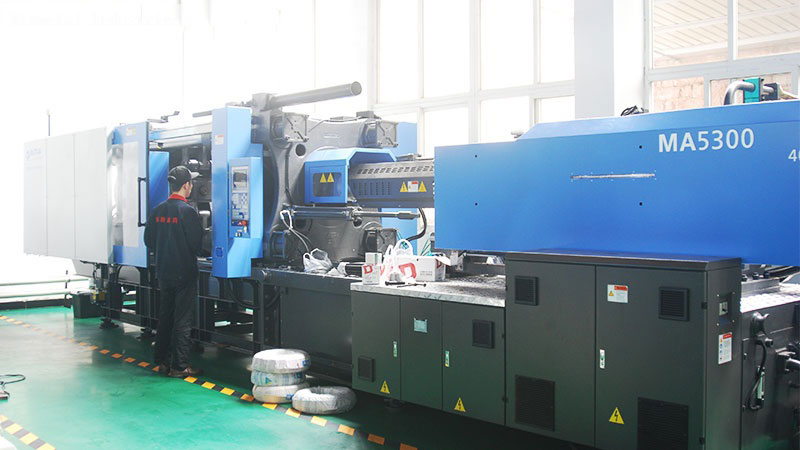
    The cornerstone of a professional buy in 2026 is meticulous supplier verification. The term “manufacturer” can be ambiguous, often applied to both genuine factories and trading agents. Your first actionable step is to conduct deep due diligence. Request a virtual factory tour via live video call, not just pre-recorded videos. Examine evidence of their engineering capabilities, such as CAD/CAM software licenses, and the types of machinery (e.g., CNC, EDM) they operate in-house. Crucially, ask for and contact references from their existing overseas clients, specifically those in your region or industry. Verifying a supplier’s export experience, familiarity with international standards, and project management protocols for remote collaboration will separate credible partners from the rest. This process mitigates the fundamental risk of engaging with an under-qualified workshop.

    Once a potential partner is identified, mastering the technical and commercial quotation process is vital. A professional custom plastic mold manufacturer will not provide a firm price based solely on a concept sketch. Be prepared to invest time in the RFQ (Request for Quotation) phase. Supply a detailed product design, preferably with 3D files (STEP or IGES), material specifications, expected annual volumes, and cosmetic requirements. Analyze the quotations you receive: they should break down costs for mold design, mold base, cavity/core steel, actions (like sliders or lifters), and surface finishing. Scrutinize the proposed mold flow analysis, a critical service that predicts filling issues and reduces prototyping cycles. In 2026, transparency in this phase is a key indicator of a supplier’s professionalism and your best defense against hidden costs and project delays.

    Implementing a robust, multi-stage quality control protocol is non-negotiable for overseas procurement. Your agreement with the China mold factory must define clear inspection milestones and responsibilities. The first critical checkpoint is the Design for Manufacturability (DFM) report, which should address potential production issues before steel is cut. The next is the First Article Inspection (FAI) after the T1 sample mold trial. Do not rely on supplier-provided samples alone; engage a trusted third-party quality inspection firm within China to perform dimensional checks, material verification, and function tests on pre-production samples at the factory. For high-volume projects, consider stipulating periodic production audits. This layered QC approach ensures that the injection mold meets all specifications before shipment, protecting your investment and preventing costly production halts at your facility.

    Navigating logistics, intellectual property, and post-sales support forms the final pillar of a professional engagement. Clearly define Incoterms (e.g., FOB, EXW) to avoid confusion over shipping responsibilities and costs. Ensure a comprehensive confidentiality agreement (NDA) and intellectual property clause are signed before sharing any technical data. For 2026, forward-thinking buyers are also discussing sustainability practices with their manufacturers, inquiring about material traceability and energy-efficient molding processes. Finally, secure explicit terms for post-sales support. This includes warranty coverage for the mold (typically 1-2 years against workmanship defects), the process for handling repair or maintenance, and the availability of spare components like ejector pins. A reliable partner views the mold delivery as the start of a long-term relationship, not the end of a transaction.

    Sourcing from a professional custom plastic mold manufacturer in China for your 2026 projects demands a systematic and informed strategy. It is a process built on rigorous supplier verification, detailed technical collaboration, uncompromising quality control, and clear contractual safeguards. By adopting this professional framework, you transform the procurement challenge into a competitive advantage, gaining access to world-class manufacturing expertise while maintaining control over cost, quality, and timeline. The goal is to establish a partnership with a China mold factory that is not just a supplier, but a seamless extension of your own production engineering team, driving innovation and value for years to come.

    Work With Us

    As a professional China mold manufacturer, we provide one-stop mold solution for overseas buyers.
    📞 Phone: +86-18605944639
    💬 WhatsApp: +8618605944639
    🌐 Website: bestmoldworks.com
    📧 Email: [email protected]
  • custom injection mold maker: Best Suppliers & Quality C 2026

    For overseas buyers, sourcing a reliable custom injection mold maker in China represents a significant opportunity to achieve substantial cost savings and access world-class manufacturing capabilities. However, the path to a successful partnership is often paved with challenges: verifying supplier credibility, ensuring robust quality control, and navigating cultural and logistical complexities. This guide is designed to cut through the noise and provide you with actionable, professional strategies to identify the best suppliers and implement ironclad quality assurance for your 2026 procurement projects and beyond.

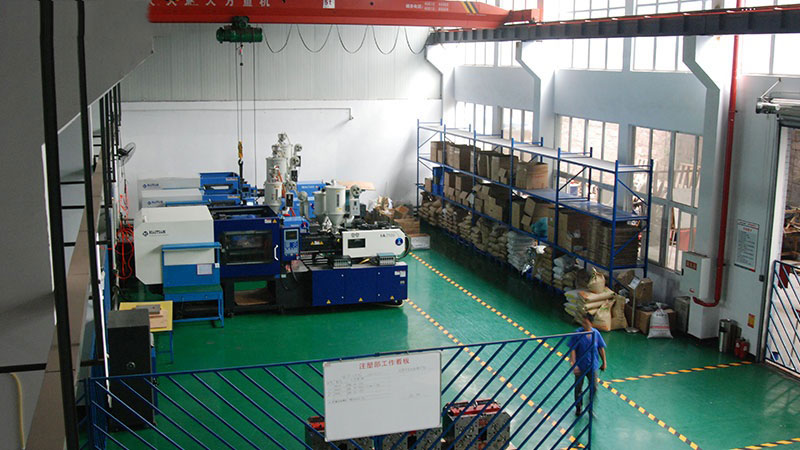
    The foundation of a successful import venture lies in meticulous supplier verification. Moving beyond a simple Alibaba search is crucial. Begin by identifying a China mold factory with a proven track record in your specific industry, whether it’s automotive components, medical devices, consumer electronics, or packaging. Scrutinize their website for detailed case studies, client testimonials (preferably from international companies), and certifications such as IATF 16949 for automotive or ISO 13485 for medical. A professional supplier will readily provide this information. Utilize video conferencing to conduct virtual factory tours; observe the workshop organization, the age and maintenance of machinery (look for brands like Sodick, Makino, or Demag), and the engineers’ expertise. Third-party verification services can also be employed to conduct background checks and confirm business licenses, adding a critical layer of due diligence before any commitment is made.

    Once a shortlist of potential partners is established, the focus must shift to defining and communicating your specifications with absolute clarity. Ambiguity is the primary cause of mold defects, delays, and cost overruns. Your technical data package (TDP) should be exhaustive. It must include fully detailed 3D CAD files (STEP or IGES) and 2D drawings with GD&T (Geometric Dimensioning and Tolerancing), material specifications (including grade and supplier preferences like BASF or DuPont), cavity requirements, expected cycle times, and part volume projections. Discuss mold flow analysis (MFA) upfront; a competent custom injection mold maker will perform and share this simulation to predict and prevent filling issues, weld lines, and sink marks before steel is ever cut. This proactive engineering step is a hallmark of a quality-driven supplier and saves considerable time and expense during sampling.

    The core of securing a high-quality injection mold lies in implementing a staged and evidence-based quality control protocol. Do not wait until the final inspection to assess the product. Insist on a First Article Inspection (FAI) report when the initial sample parts are produced. This report should validate that the parts conform to all critical dimensions on your drawing. Furthermore, mandate in-process inspection reports, including photographs and data of the mold core and cavity using CMM (Coordinate Measuring Machine) reports. For surface finish, specify and agree on SPI/VDW standards. A professional procurement strategy always includes planning for a Pre-Shipment Inspection (PSI) conducted by either your own quality representative or a trusted third-party inspection agency. This inspection should verify not only the mold dimensions but also its performance, testing it for a specified number of cycles to ensure it produces consistent, defect-free parts.

    Understanding the total cost of ownership, not just the initial quotation, is vital for long-term value. While unit price is important, the most competitive bid can become expensive if it leads to premature mold failure, excessive maintenance, or part quality issues. Evaluate quotations comprehensively: assess the proposed mold steel (such as pre-hardened 718, H13, or S136 for corrosion resistance), the lifespan in cycles, the warranty terms, and the supplier’s policy on engineering change orders (ECOs). Discuss post-sales support explicitly—will the China mold factory store your mold? What are the costs and lead times for repairs or modifications? Establishing clear communication protocols, including a single point of contact fluent in technical English and the use of project management tools, is essential to manage timelines and expectations effectively, ensuring the partnership runs smoothly from design to delivery.

    In conclusion, successfully importing a high-quality injection mold from China in 2026 demands a shift from a purely price-driven approach to a partnership-based, process-oriented strategy. By rigorously verifying your supplier, defining specifications with precision, implementing multi-stage quality controls, and evaluating total project value, you mitigate risk and build a foundation for a reliable supply chain. The goal is to transform your selected custom injection mold maker from a distant vendor into a transparent extension of your own engineering team. This disciplined approach empowers you to leverage China’s manufacturing excellence fully, securing not only cost advantages but also superior product quality and innovation for your business.

    Work With Us

    As a professional China mold manufacturer, we provide one-stop mold solution for overseas buyers.
    📞 Phone: +86-18605944639
    💬 WhatsApp: +8618605944639
    🌐 Website: bestmoldworks.com
    📧 Email: [email protected]

  • injection molds for plastic part: Professional Buying 2026

    For global businesses, sourcing injection molds for plastic parts from China remains a strategic move to achieve cost efficiency and rapid production scalability. However, the landscape of procurement is evolving. As we look toward 2026, professional buying is no longer just about finding the lowest quote; it’s about building resilient, transparent, and quality-driven partnerships. This guide provides actionable, forward-looking strategies for overseas buyers to navigate the complexities of importing high-performance injection molds from China, mitigating risks and ensuring project success.

    The cornerstone of a successful import project is thorough supplier verification. Moving beyond Alibaba listings, a professional approach in 2026 involves multi-layered due diligence. Start by verifying the China mold factory’s business license and export credentials. Then, scrutinize their technical capabilities: do they have experience with your specific material (e.g., engineering plastics, LSR) and part complexity? Request detailed case studies and, crucially, arrange a live video tour of their facility. This allows you to assess their machinery, workshop organization, and engineering team in real-time. Platforms like Google Earth and professional B2B directories can also provide unbiased insights into the factory’s scale and location. Remember, a reliable partner is transparent and welcomes this scrutiny.

    Once a potential partner is identified, the procurement process must be anchored in precise technical communication. Ambiguity is the primary cause of mold defects and project delays. Provide not just a 3D file (STEP or IGS), but a comprehensive technical data pack. This should include a formally signed 2D drawing with critical dimensions, tolerances (GD&T where applicable), surface finish specifications (SPI/VDI), and material grade details. Clearly outline the expected annual volume, as this dictates the mold steel selection (e.g., P20, H13, S136) and cavity configuration. Discuss and agree upon mold flow analysis (MFA) protocols upfront. A professional China mold factory will proactively use MFA to predict and resolve filling, warpage, and cooling issues before steel is cut, saving substantial cost and time in revisions.

    Implementing staged quality control is non-negotiable for professional buying in 2026. Do not wait until the final shipment to inspect. Insist on a defined Quality Inspection Plan (QIP) integrated into the contract. Key inspection milestones include: First Article Inspection (FAI) after the mold is manufactured, using CMM reports to verify core and cavity dimensions against your drawings; and a T1 sample trial at the supplier’s facility. For high-value projects, engaging a local third-party quality inspection firm to witness the trial and inspect initial samples is a wise investment. They can check part dimensions, appearance, and function, and audit the mold’s construction. This staged approach ensures issues are caught early, when they are least expensive and time-consuming to correct.

    The final phase involves securing your intellectual property and navigating logistics. A robust NNN Agreement (Non-Disclosure, Non-Use, Non-Circumvention) tailored to Chinese enforcement law is more effective than a standard Western NDA for protecting your part and mold design. Legally, it prevents the supplier from using your design for other clients. For logistics, understand Incoterms 2020 thoroughly. For mold procurement, EXW or FOB are common, but clarify responsibilities for export documentation and inland freight. Ensure the mold is properly preserved with anti-rust treatment and securely packed in a wooden crate for ocean freight. Consider mold insurance to cover potential transit damage. Post-shipment, discuss and agree on terms for mold maintenance, warranty, and future repair support to ensure a long-term, functional partnership.

    Mastering the procurement of injection molds for plastic parts from China in 2026 demands a blend of technical rigor, proactive verification, and strategic partnership management. By moving beyond price-centric discussions to focus on in-depth supplier verification, unambiguous technical communication, staged quality control, and legal-logistical foresight, overseas buyers can transform a complex sourcing challenge into a competitive advantage. The goal is to build a relationship with a China mold factory that is not just a vendor, but a seamless extension of your own production engineering team, delivering quality, reliability, and value for years to come.

    Work With Us

    As a professional China mold manufacturer, we provide one-stop mold solution for overseas buyers.
    📞 Phone: +86-18605944639
    💬 WhatsApp: +8618605944639
    🌐 Website: bestmoldworks.com
    📧 Email: [email protected]

  • custom molds: Reliable Manufacturers Guide 2026 | China Mold Factory

    For overseas buyers, the decision to import custom molds from China represents a significant strategic advantage, offering unparalleled cost efficiency and manufacturing scalability. However, the path to a successful partnership with a China mold factory is often paved with complexities, from supplier verification to consistent quality control. This guide is designed to cut through the noise and provide you with a professional, actionable framework for your procurement journey in 2026 and beyond. We will focus on solving real problems, equipping you with the knowledge to navigate the market confidently and secure high-quality injection molds that meet your exact specifications.

    The cornerstone of successful procurement is rigorous supplier verification. Moving beyond Alibaba listings and attractive brochures is non-negotiable. Start with a deep-dive into the manufacturer’s specialization. A factory claiming to do everything often masters nothing. Seek out suppliers with proven expertise in your specific industry, whether it’s automotive components, medical devices, consumer electronics, or precision gears. Request detailed case studies and, crucially, contact past international clients. Utilize video conferencing tools to conduct virtual factory tours in real-time; observe the workshop organization, machinery brands (e.g., German or Japanese CNC and EDM equipment), and in-house capabilities like mold flow analysis. Verify business licenses and export credentials. In 2026, a reliable partner will be transparent and proactive in providing this evidence, understanding that trust is the first product they deliver.

    Once a potential partner is identified, the technical communication phase becomes critical. The clarity of your technical data package (TDP) directly influences the outcome. Provide comprehensive 3D CAD models (STEP or IGS files), fully detailed 2D drawings with GD&T (Geometric Dimensioning and Tolerancing), and explicit material specifications. For injection molds, discuss core technical requirements upfront: expected cavitation, cycle time targets, mold life (e.g., 500,000 or 1 million shots), surface finish (SPI standards), and cooling system design. A proficient China mold factory will engage engineers who ask insightful questions, suggest design for manufacturability (DFM) improvements to reduce cost and enhance durability, and provide a formal DFM report. This collaborative engineering approach is a key indicator of a supplier invested in your project’s success, not just in winning a purchase order.

    A structured and transparent quality control protocol is your primary risk mitigation tool. Do not assume standards; define and contract them. Implement a staged inspection plan (IPI, DPI, FAI) managed by your own team or a trusted third-party inspection service. Critical checkpoints include: steel material certification, first article inspection reports from the T1 sample, and rigorous dimensional validation using CMM reports. For injection molds, the mold trial is the ultimate test. Insist on a formal Trial Report Sheet documenting key parameters (injection pressure, temperature, cycle time) and video evidence of the trial run. Specify the number of sample shots required for your evaluation. The agreement should clearly outline the approval process for the T1 samples and the responsibilities for any modifications required. This disciplined approach ensures quality is built into the custom molds from the outset, preventing costly delays and rework after shipment.

    The commercial and logistical framework of your agreement must be meticulously crafted. Move beyond FOB prices. Understand the full cost breakdown, including mold design, materials, trial sessions, and packaging. Clearly define payment terms; a common and balanced structure is 40% deposit, 50% after sample approval, and 10% before shipment. Legally, a detailed proforma invoice (PI) and contract are essential. The contract should cover intellectual property (IP) ownership, confidentiality, warranty terms (typically 12-24 months against design and workmanship defects), and liability clauses. Logistically, discuss packaging standards to prevent damage during ocean freight and ensure all documentation (commercial invoice, packing list, certificate of origin) is prepared accurately for smooth customs clearance in your country.

    Building a successful long-term partnership requires viewing your supplier as a strategic extension of your manufacturing capability. After the initial order, focus on continuous improvement. Share performance data from your production line regarding the mold’s performance. Schedule regular business reviews to discuss future projects, technological advancements, and cost-optimization ideas. A forward-thinking China mold factory will value this feedback loop, as it fosters innovation and mutual growth. In the dynamic landscape of 2026, this collaborative relationship is what transforms a simple procurement transaction into a durable competitive advantage, ensuring a reliable pipeline of high-quality injection molds for your product development needs.

    Conclusion

    Importing custom molds from China remains a highly viable strategy for global businesses in 2026. The journey, however, demands a professional and systematic approach centered on diligent supplier verification, precise technical communication, uncompromising quality control, and robust commercial agreements. By implementing the actionable steps outlined in this guide, you shift the odds decisively in your favor. You move from being a passive buyer to an informed partner, capable of identifying and collaborating with a truly reliable China mold factory. This partnership will not only deliver the precision tooling you require today but will also establish a foundation for innovation and efficiency for years to come, turning the challenge of overseas procurement into one of your organization’s greatest strengths.

    Work With Us

    As a professional China mold manufacturer, we provide one-stop mold solution for overseas buyers.
    📞 Phone: +86-18605944639
    💬 WhatsApp: +8618605944639
    🌐 Website: bestmoldworks.com
    📧 Email: [email protected]

  • plastic injection mold factory China: Professional Buy 2026

    For overseas buyers, sourcing a plastic injection mold factory in China remains a strategic decision to balance cost, capability, and quality. However, the landscape is evolving rapidly. The professional procurement approach of 2026 demands more than just finding a low quote; it requires a systematic strategy to identify, verify, and collaborate with a partner capable of delivering precision, consistency, and long-term value. This guide provides actionable insights to navigate the modern Chinese manufacturing ecosystem and secure a successful partnership.

    The foundation of a successful import project lies in meticulous supplier verification. Moving beyond Alibaba listings, a professional buyer in 2026 must employ a multi-layered vetting process. Start with a deep-dive into the factory’s specialization. Does their portfolio showcase experience with your specific industry, material, or mold complexity? Request and scrutinize case studies. Subsequently, initiate a video audit. A real-time factory tour via video call is non-negotiable; it verifies the existence of machinery like CNC centers, EDM, and CMMs, and provides a glimpse into shop floor organization and safety culture. Crucially, insist on speaking directly with their project engineering team to assess technical communication skills. This step filters out trading companies and identifies a genuine, competent China mold factory.

    Once a potential partner is shortlisted, the focus shifts to technical and commercial clarity. The cornerstone of this phase is a highly detailed Request for Quotation. A professional RFQ for an injection mold must include not just part drawings, but material specifications, expected annual volumes, cosmetic requirements, and tolerance standards. Crucially, define the mold ownership, warranty period, and terms for future maintenance or modifications. Transparency here prevents costly misunderstandings. Simultaneously, discuss and agree on a staged payment plan that aligns with key milestones—such as design approval, T1 sample approval, and final delivery—to protect both parties’ interests. This structured approach separates professional suppliers from those who thrive on ambiguity.

    Quality control cannot be an afterthought; it must be engineered into the process from day one. Your chosen plastic injection mold factory China should have a documented Quality Management System, but your due diligence is paramount. Specify your required inspection protocols upfront. This typically includes a First Article Inspection report with 3D scan data comparing the first shots to the original CAD model. For critical components, you may require on-site inspection during the trial phase or pre-shipment audits. Many professional buyers now engage local third-party quality inspection services for an unbiased assessment at the T1 sample stage. This proactive investment in verification mitigates the risk of receiving a non-conforming tool, saving significant time and cost in rework and delays.

    The most overlooked aspect of importing molds is planning for the entire lifecycle. A professional procurement strategy in 2026 views the mold not as a one-time purchase but as a long-term asset. Discuss post-sales support explicitly. Will the supplier provide fully updated 2D and 3D mold drawings? What is their response time for troubleshooting issues during your production ramp-up? Establish clear protocols for mold maintenance, repair, and potential future modifications. Furthermore, consider the logistics and customs implications of shipping a heavy, high-precision tool. A reliable partner will have experience in secure packaging and proper documentation for export, ensuring your injection mold arrives undamaged and clears customs smoothly.

    Building a sustainable partnership is the ultimate goal. The most successful import relationships are built on clear communication and mutual respect. Designate a single point of contact on both sides, but ensure technical teams can collaborate directly. Utilize collaborative tools for design reviews and regular progress updates. Understand cultural nuances—prompt payments against agreed milestones build tremendous trust. View your supplier as an extension of your engineering department. A professional and collaborative approach transforms a transactional vendor into a strategic partner who is invested in your product’s success, paving the way for smoother projects and innovation in the years to come.

    In conclusion, professionally sourcing from a plastic injection mold factory China in 2026 is a disciplined process of verification, clarification, and collaboration. It transcends price comparison to focus on technical capability, systemic quality, and long-term reliability. By implementing a structured approach to supplier verification, insisting on technical and commercial transparency, integrating rigorous quality control, planning for the mold’s lifecycle, and fostering a true partnership, overseas buyers can unlock the immense value and expertise the Chinese market offers. This methodology not only secures a high-quality tool but also establishes a supply chain asset that will deliver competitive advantage for the lifespan of your product.

    Work With Us

    As a professional China mold manufacturer, we provide one-stop mold solution for overseas buyers.
    📞 Phone: +86-18605944639
    💬 WhatsApp: +8618605944639
    🌐 Website: bestmoldworks.com
    📧 Email: [email protected]