For overseas buyers, the decision to import molds from China remains one of the most impactful strategies for achieving cost efficiency and scaling production. However, the landscape is evolving rapidly. As we look toward 2026, simply finding a low-cost quote is no longer a sustainable procurement strategy. The future belongs to buyers who approach their China mold factory partnerships with professional rigor, leveraging technology and refined processes to mitigate risk and ensure project success. This guide is designed to move beyond basic advice and provide actionable, forward-looking solutions for partnering with a world-class custom plastic injection moulding company.
The core challenge has shifted from finding a manufacturer to verifying the right strategic partner. The pitfalls—miscommunication, hidden costs, quality deviations, and intellectual property concerns—are well-known but persist. In the professional environment of 2026, success will be defined by a buyer’s ability to conduct deep supplier verification, implement robust quality control protocols from the outset, and manage the injection mold development process with clarity and precision. The following solutions outline a modern framework for achieving just that.
Conducting Multi-Layered Supplier Verification Beyond Alibaba
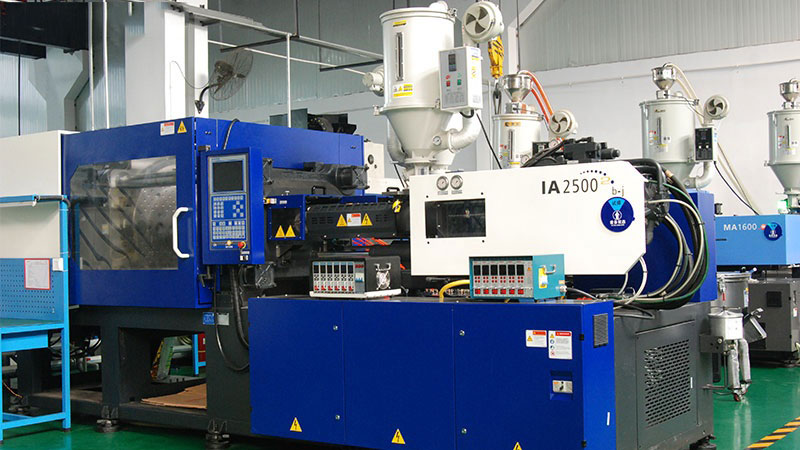
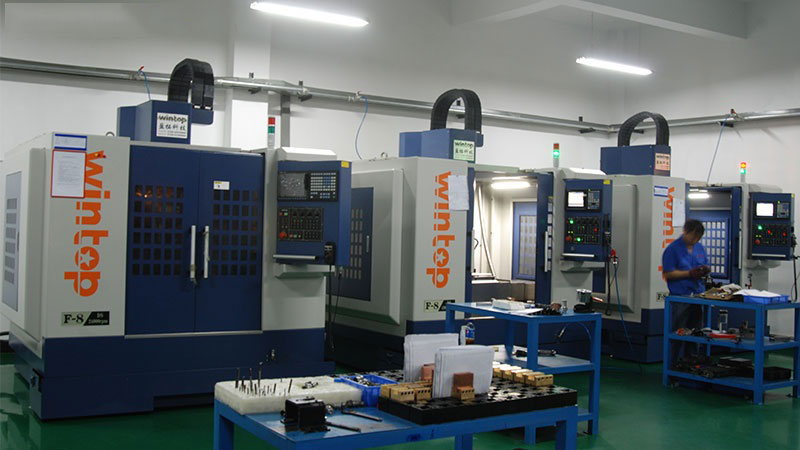
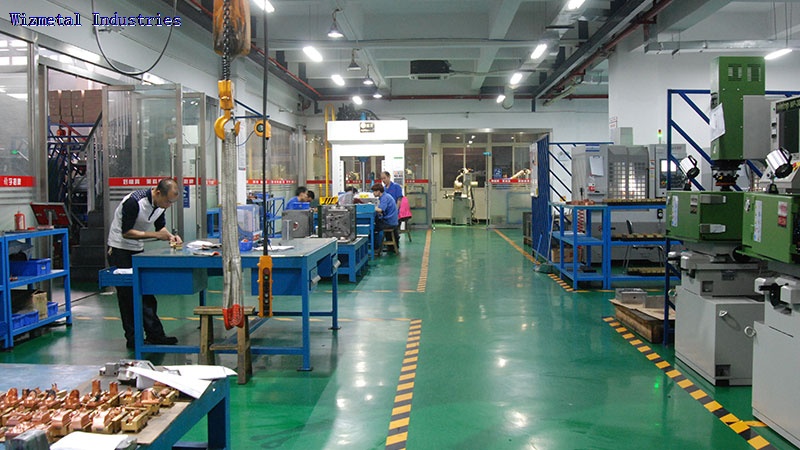
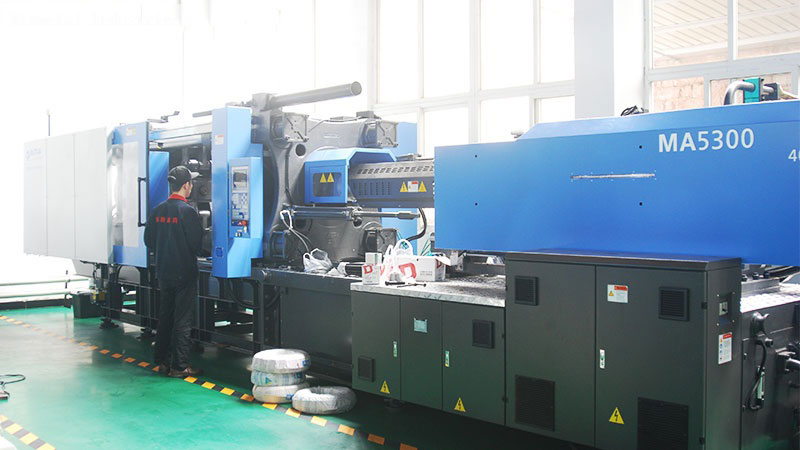
In 2026, supplier verification must be a multi-stage investigative process, not a cursory check. Start with a thorough digital audit. Scrutinize the supplier’s professional website for technical white papers, detailed process explanations, and case studies relevant to your industry. Use platforms like LinkedIn to assess the stability and qualifications of their engineering and management team. Crucially, move beyond standardized factory tour videos. Request a live, interactive video audit of the facility. Ask to see specific machinery relevant to your project—high-speed CNC machines, EDM equipment, and their injection molding presses. A professional China mold factory will be transparent and proud to showcase its capabilities in real-time. Verify business licenses and, for critical projects, consider a third-party verification service to confirm operational scale and reputation.
Mastering the Technical Dialogue and DFM Process
Your ability to communicate technically will directly correlate with your outcomes. Before requesting quotes, invest in a professionally produced 3D model and a comprehensive specification document. This should include material specifications, critical tolerances, surface finish requirements (using SPI/VDI standards), part volumes, and expected lifecycle of the mold. When you receive Design for Manufacturability (DFM) feedback from the supplier, engage deeply. A reliable partner will suggest modifications—like adjusting draft angles, wall thickness, or gate locations—to enhance moldability, reduce cost, and improve part quality. View this collaborative DFM stage not as a critique of your design, but as the most valuable service a true custom plastic injection moulding company provides. This proactive problem-solving is what separates commodity vendors from engineering partners.
Implementing Stage-Gated Quality Control and Payment Terms
Aligning payment milestones with tangible quality checkpoints is the most effective risk management tool. Structure your contract with a clear, stage-gated payment plan: 30% upon order, 40% upon approval of mold trial samples, and 30% upon final delivery. The pivotal moment is the First Article Inspection (FAI). Never approve mass production or make the final payment without receiving and rigorously inspecting physical T1 samples from the initial mold trial. Provide your supplier with a detailed Inspection Checklist covering all critical dimensions (using CMM reports they should provide), visual appearance, and assembly tests. For higher-volume projects, insist on a Process Capability Study (Cp/Cpk) to ensure the mold and process can consistently produce within tolerance. This structured approach ensures quality control is baked into the procurement process, not an afterthought.
Planning for the Total Lifecycle of the Injection Mold
Professional procurement in 2026 looks at the total cost of ownership, not just the initial tooling price. Discuss and agree upon post-sales support at the contract stage. This includes terms for mold maintenance, repair, and storage. Who is responsible for wear and tear repairs? What are the costs and lead times for producing replacement components? A strategic partner will offer transparent pricing for these services. Furthermore, if your production volumes are significant, discuss the feasibility of maintaining the injection mold at their facility for just-in-time production runs. This can drastically simplify your supply chain logistics. Also, ensure all original CAD/CAM files and mold drawings are contractually stipulated as part of the delivery, safeguarding your ability to move production if absolutely necessary.
Navigating Logistics, IP, and Building a Partnership
Finalize logistics and intellectual property protection early. Use a Incoterm that clearly defines responsibility for mold shipment—FOB is commonly preferred by experienced buyers as it gives control over the international freight and insurance. For IP protection, a well-drafted Non-Disclosure Agreement (NDA) and a product-specific confidentiality clause in the manufacturing contract are essential. While absolute guarantees are complex in any jurisdiction, working with established, professionally managed factories significantly reduces risk, as their business reputation is more valuable than copying a single design. Ultimately, view this process as building a long-term partnership. Consistent communication, fair treatment, and clear expectations foster mutual loyalty, which translates to priority service, better problem-solving, and stability for your supply chain.
Conclusion
Importing molds from China in 2026 demands a professional, process-oriented approach. The goal is to transform a traditionally high-risk procurement activity into a predictable, controlled engineering partnership. By executing rigorous multi-layered supplier verification, engaging technically in the DFM process, enforcing stage-gated quality control with aligned payments, and planning for the mold’s entire lifecycle, you secure far more than a tool—you secure a competitive advantage. The most successful overseas buyers will be those who partner with a Chinese injection mold supplier not as a distant vendor, but as a seamless extension of their own production team, driving innovation, quality, and value for years to come.
Work With Us
As a professional China mold manufacturer, we provide one-stop mold solution for overseas buyers.
📞 Phone: +86-18605944639
💬 WhatsApp: +8618605944639
🌐 Website: bestmoldworks.com
📧 Email: [email protected]