For overseas buyers, sourcing precision tooling from China represents a significant opportunity for cost efficiency and advanced manufacturing capability. However, the journey from identifying a potential partner to receiving a flawless mold is fraught with challenges. Vetting the best China mold factory requires a strategic approach to supplier verification and rigorous quality control protocols. This guide for 2026 cuts through the noise, providing actionable, professional insights to secure a reliable mold manufacturer and ensure your injection mold procurement project is a success.
Conducting Deep Supplier Verification Beyond the Surface
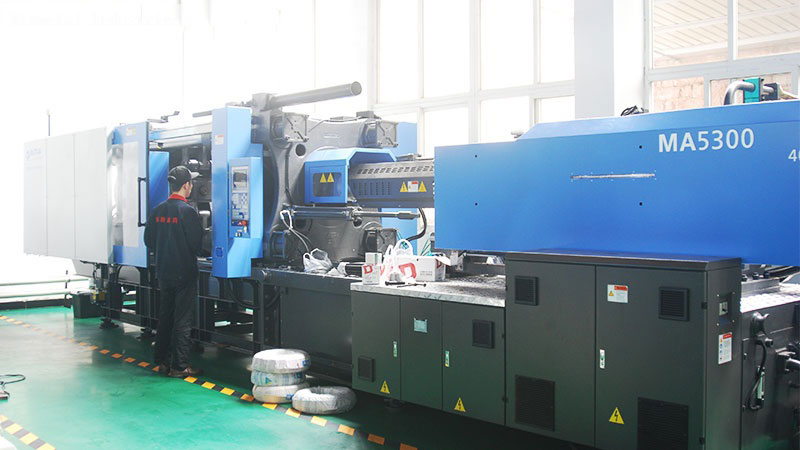
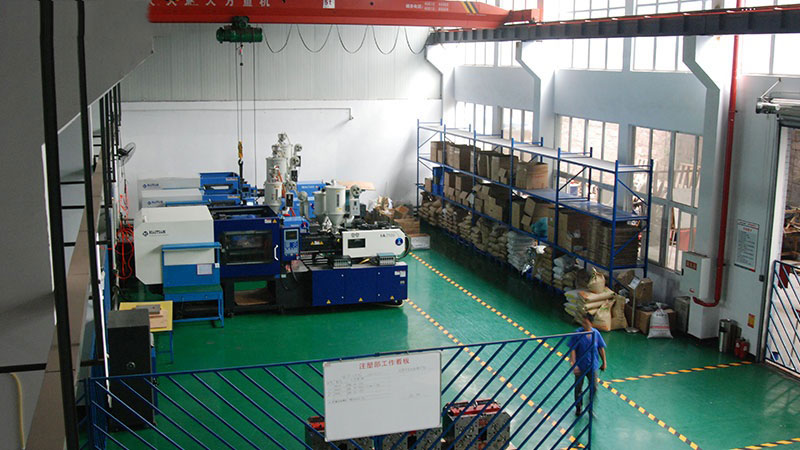
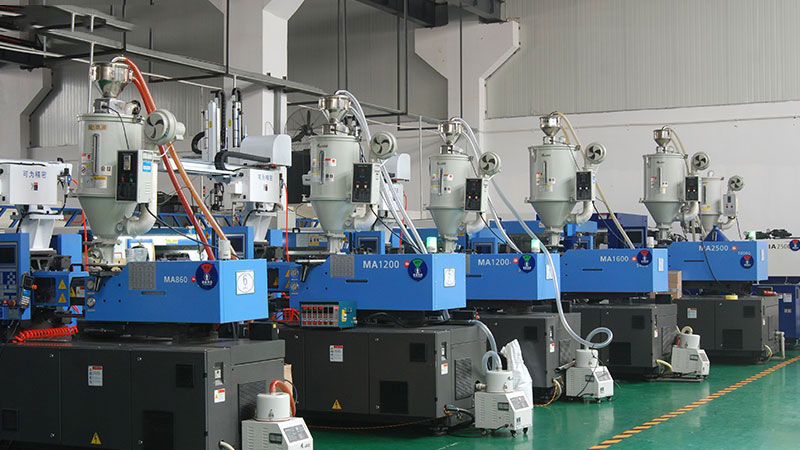
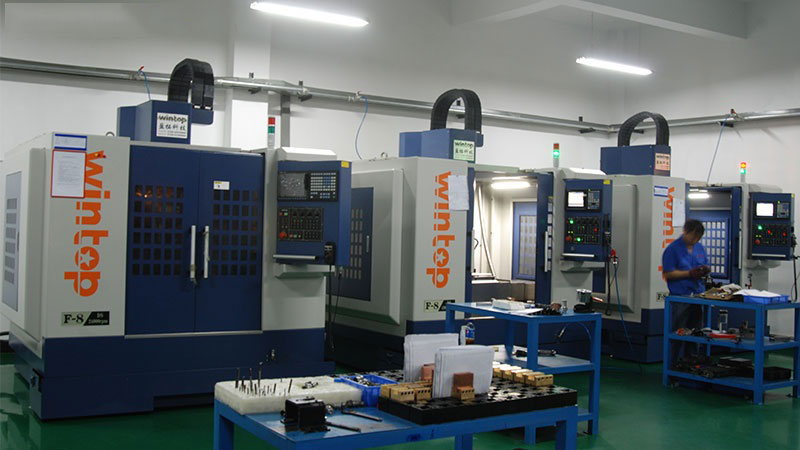
The initial search will yield countless mold manufacturers, making verification the most critical first step. Move beyond glossy websites and generic Alibaba profiles. For true supplier verification, insist on video tours of the facility. A reputable China mold factory will readily showcase their workshop floor, machine park (look for brands like DMG Mori, Makino, or Sodick), and quality control lab. Scrutinize their project portfolio for examples similar to your industry—be it automotive, medical, consumer electronics, or packaging. Request and actually contact past overseas clients. Furthermore, verify business licenses and export credentials. In 2026, transparency is the first true indicator of a professional mold manufacturer. This due diligence filters out trading companies and under-equipped workshops, focusing your efforts on capable partners.
Mastering Technical Communication and RFQ Precision
Miscommunication is the root cause of most failed mold projects. Your Request for Quotation (RFQ) package must be impeccably detailed. Beyond part drawings, include a comprehensive technical specification sheet covering mold steel grade (e.g., P20, H13, S136), cavity surface finish (SPI standards), tolerance requirements, expected production volume, and resin material. Clearly state all critical dimensions. When discussing with potential suppliers, use marked-up drawings and 3D models (STEP or IGES files) as the primary reference. Appoint a single, technically-astute point of contact on your side to manage all communications. This precision eliminates ambiguity, ensures all bidders are quoting on the exact same requirements, and establishes your professionalism, commanding respect from serious mold manufacturers.
Implementing a Multi-Stage Quality Control Gate System
Quality cannot be inspected into a mold; it must be built in. Partner with a China mold factory that embraces a staged inspection and approval process, and contractually mandate it. Key gates include: First Article Inspection (FAI) of the mold base and critical components, a pre-trials dimensional report using CMM data, and the crucial initial sample testing. The most important step is witnessing the Trial Run (T1) either in person or via live-stream. Here, you verify part dimensions, function, and appearance. Do not accept mere photos or shipped samples without data. In 2026, leading suppliers utilize digital quality portals where you can review real-time inspection reports and HD video. This proactive, gate-driven approach to quality control identifies issues early, when they are least costly to correct, and ensures the final deliverable meets all specifications.
Navigating Logistics, IP Protection, and Contract Essentials
The business framework protects your investment. A clear, detailed contract is non-negotiable. It should cover payment terms (e.g., 30-40% deposit, balance before shipment), a definitive project timeline with penalties for delays, warranty terms (typically 12-18 months), and most critically, intellectual property (IP) clauses asserting your ownership of all part and mold design. For logistics, understand Incoterms thoroughly; FOB is common, giving you control over shipping and insurance. Plan for mold transportation—sturdy, waterproof crating is essential. Factor in import duties and have a local maintenance partner lined up for potential repairs. Solidifying these aspects transforms a handshake agreement into a secure, professional partnership with your chosen mold manufacturer.
Building a Partnership for Long-Term Success
View your procurement not as a one-time transaction but as forging a strategic manufacturing partnership. The right China mold factory becomes an extension of your engineering team. After a successful first project, discuss framework agreements for better pricing on future work. Share your product roadmap to allow for better planning on their end. Consider inviting their lead engineer to your facility (or a virtual summit) to deepen understanding of your quality culture. This collaborative mindset fosters transparency, continuous improvement, and often, preferential treatment. In the competitive landscape of 2026, such partnerships yield not just cost savings, but also innovation, agility, and a reliable supply chain for years to come.
Conclusion
Successfully importing injection molds from China in 2026 demands a blend of meticulous vetting, technical clarity, and structured process control. By executing deep supplier verification, mastering technical communication, enforcing staged quality gates, securing robust contracts, and fostering partnership, overseas buyers can mitigate risks and unlock exceptional value. The goal is to move beyond being just an international customer to becoming a valued partner to a top-tier China mold factory. With this professional, actionable approach, you can confidently navigate the market, ensuring your mold procurement delivers not only on cost but, more importantly, on precision, quality, and reliability for your production needs.
Work With Us
As a professional China mold manufacturer, we provide one-stop mold solution for overseas buyers.
📞 Phone: +86-18605944639
💬 WhatsApp: +8618605944639
🌐 Website: bestmoldworks.com
📧 Email: [email protected]