For overseas buyers and product developers, sourcing a custom silicone mold maker represents a critical step in bringing innovative designs to market. The choice of manufacturer directly impacts your product quality, timeline, and bottom line. As we look toward 2026, the landscape for procuring molds from China continues to evolve, offering immense opportunity alongside well-documented challenges. This guide cuts through the noise to provide a professional, actionable framework for identifying and partnering with reliable China mold factory partners. We focus on solving real procurement problems, from initial supplier verification to final quality control, ensuring your project’s success.
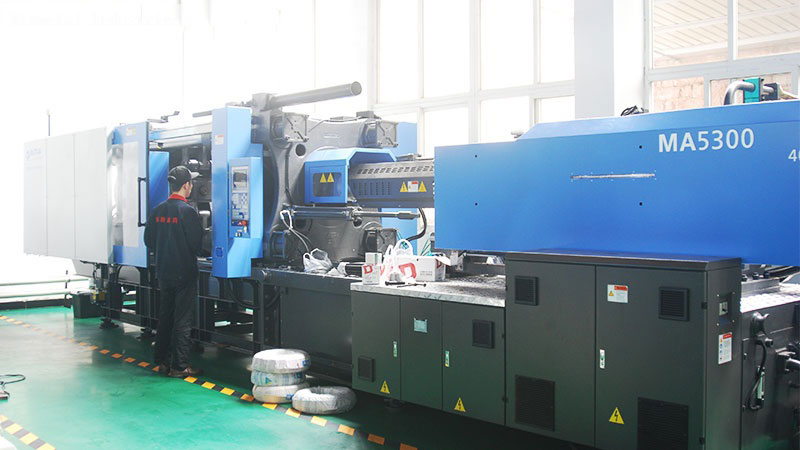
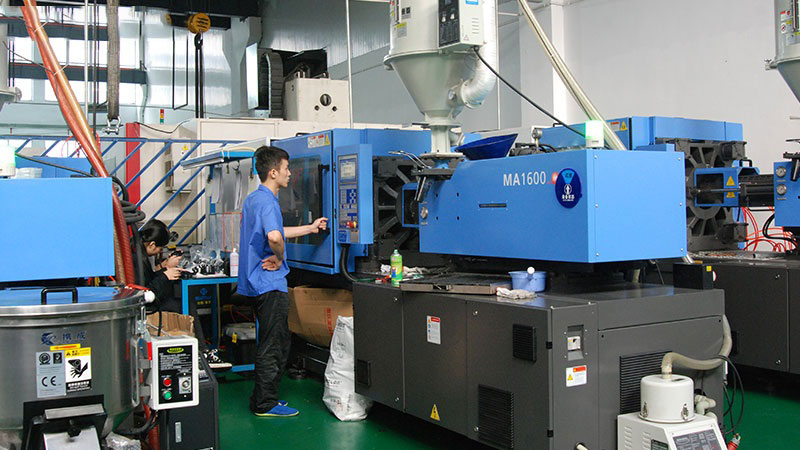
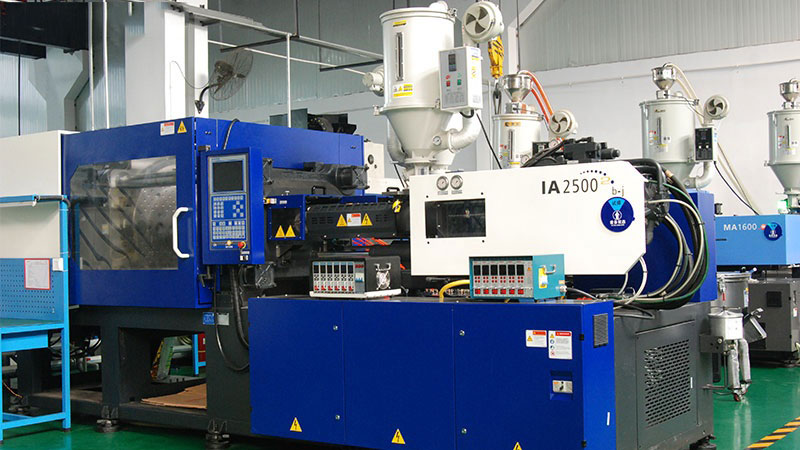
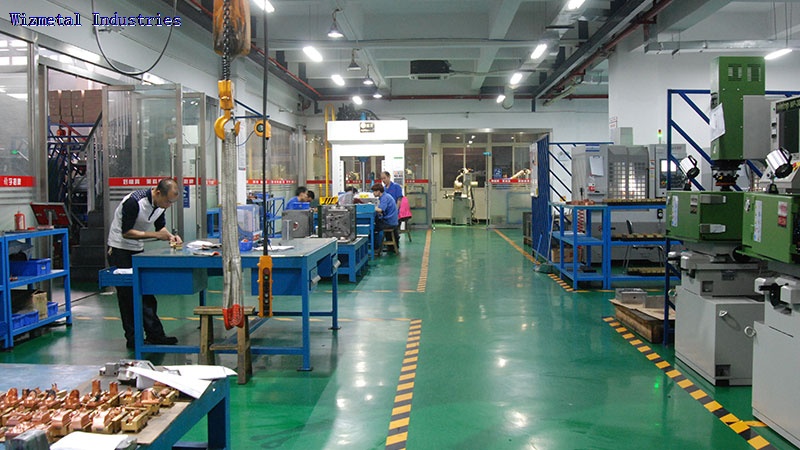
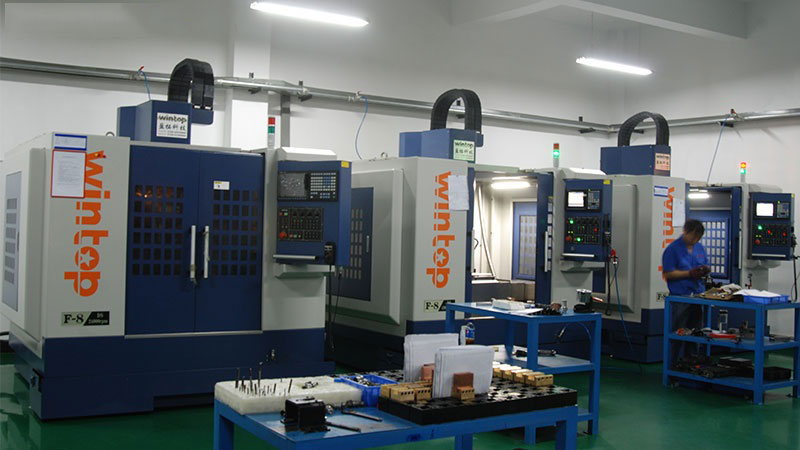
Navigating the vast supplier ecosystem in China requires a strategic and informed approach. The first, and most crucial, step is rigorous supplier verification. Moving beyond simple Alibaba listings is non-negotiable. In 2026, due diligence means leveraging multiple channels. Start with in-depth video tours of factory facilities; a reputable custom silicone mold maker will readily provide live walkthroughs showcasing their workshop, machinery, and ongoing projects. Utilize international business verification platforms to check legal registration and export credentials. Crucially, request and contact a list of their existing overseas clients. A confident supplier with a solid track record will provide these references. This phase is your primary defense against misrepresentation and ensures you are dealing with a capable manufacturer, not just a trading company.
Once a potential partner is verified, the focus shifts to technical clarity and process alignment. Silicone molding, while distinct, often intersects with injection mold processes for creating master models or supporting tools. Your communication must be exceptionally precise. Provide comprehensive 3D drawings (STEP or IGS files are standard) with clearly defined tolerances, material specifications (e.g., FDA-grade silicone, Shore hardness), and expected production volumes. Discuss the entire workflow: will they handle the master model creation, often via CNC machining or 3D printing? How do they manage mold flow analysis for complex parts? A professional China mold factory will ask detailed questions about your application, intended use environment, and post-processing needs. Documenting all specifications in a formal Technical Agreement prevents costly misunderstandings and establishes a benchmark for quality control.
Proactive quality control integration throughout the manufacturing cycle is what separates successful imports from costly failures. Do not treat QC as a final inspection step. Instead, structure your procurement contract to include milestone inspections. Key checkpoints include: First Article Inspection (FAI) on the initial mold, where critical dimensions and functionality are tested using the actual silicone material. This is the time to catch and correct tooling errors. Secondly, insist on pre-shipment sampling from the production batch. For a custom silicone mold maker, the proof is in the castings. Evaluate the samples for consistency, surface finish, flash, and any defects. Employ a trusted third-party inspection service located near the factory for these stages. Their objective report provides leverage and assurance before payment balances are released and shipment is authorized.
Managing logistics, cost structure, and intellectual property are the final pillars of a secure partnership. Be clear on incoterms; FOB is commonly recommended for greater control over shipping. Understand all cost breakdowns: mold tooling cost (a one-time NRE fee) versus per-unit part cost. A reliable supplier will be transparent about these figures. Regarding Intellectual Property, a robust NDA and contract are essential, but practical steps add security. Work with factories that compartmentalize production; not every worker needs the full product context. Consider registering your design in China where possible. Finally, view this as a partnership for 2026 and beyond. A good manufacturer is an asset for future product iterations and new projects. Building a relationship based on clear communication, mutual respect, and professional processes transforms a single transaction into a strategic supply chain advantage.
In conclusion, successfully importing from a custom silicone mold maker in China by 2026 demands a blend of diligent verification, technical precision, and embedded quality oversight. The opportunities for cost-effective, high-quality mold manufacturing remain strong for buyers who adopt a professional and systematic procurement approach. By focusing on true manufacturer capabilities, insisting on transparent processes, and enforcing rigorous quality control at every stage, you can mitigate risks and build a productive, long-term relationship with a Chinese supplier. This strategic partnership will not only bring your current product to life but also provide a reliable foundation for innovation and growth in the years to come.
Work With Us
As a professional China mold manufacturer, we provide one-stop mold solution for overseas buyers.
📞 Phone: +86-18605944639
💬 WhatsApp: +8618605944639
🌐 Website: bestmoldworks.com
📧 Email: [email protected]