Blog

  • silicone mold factory: Professional Buying Guide 2026

    For overseas buyers, sourcing custom molds represents a significant investment in product development and manufacturing capability. China remains the global epicenter for mold manufacturing, offering a compelling combination of advanced technology, extensive material options, and competitive pricing. However, navigating the vast landscape of suppliers to find a truly reliable and professional silicone mold factory requires a strategic, informed approach. This guide is designed to cut through the noise and provide you with a practical, actionable framework for your procurement journey in 2026 and beyond, ensuring you secure high-quality molds that meet your exact specifications, timeline, and budget.

    Conducting Thorough Supplier Verification and Qualification

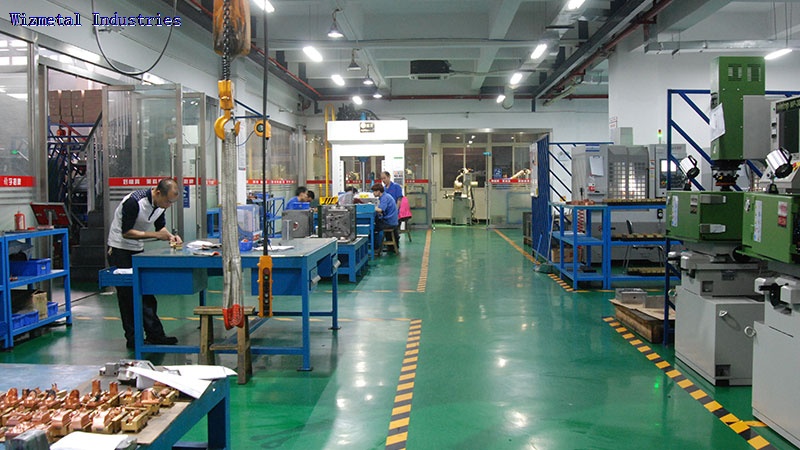
    The foundation of a successful import project is a verified and qualified supplier. Moving beyond a simple Google search or Alibaba listing is non-negotiable. Begin by creating a longlist of potential China mold factories. Scrutinize their business licenses, export history, and any relevant industry certifications (e.g., ISO 9001). In 2026, digital verification tools are more sophisticated; request virtual factory tours via video call to inspect machinery, workshop cleanliness, and workflow organization. A professional silicone mold factory will readily provide these. Crucially, ask for and contact references from their existing overseas clients, particularly those in your region or industry. This step provides invaluable, unbiased insight into their communication reliability, problem-solving ability, and after-sales support. Do not underestimate the power of due diligence at this stage to filter out non-serious workshops.

    Mastering Technical Communication and Prototyping

    Clear, unambiguous technical communication is the single greatest factor in preventing costly errors. When engaging with a potential supplier, your initial Request for Quotation (RFQ) package must be comprehensive. Include detailed 3D drawings (STEP, IGS formats), 2D dimensional drawings with critical tolerances clearly marked, and a full specification sheet covering the intended material (e.g., LSR, HTV), expected cavity count, production volume, and surface finish requirements. Discuss the mold flow analysis they will perform; a competent China mold factory will proactively use this simulation to predict and prevent filling issues or weak points. Insist on a prototyping phase. A physical prototype, or first article inspection sample, allows you to test form, fit, and function before the full injection mold is finalized. This step, though adding time and cost upfront, is far cheaper than modifying a completed production mold.

    Implementing a Rigorous Quality Control Protocol

    Quality control cannot be an afterthought; it must be integrated into the procurement contract and timeline. Define and agree upon Inspection and Test Plans (ITP) and Quality Control Checklists before production begins. These should cover critical checkpoints: steel material certification, pre-shipment sample testing, and dimensional inspection reports using Coordinate Measuring Machines (CMM). For silicone molds, pay special attention to the texture, venting design, and the performance of any sliding or lift-out cores. Consider engaging a reputable third-party quality inspection firm based in China for impartial Pre-Shipment Inspections (PSI). Their report will objectively verify that the finished mold matches your approved sample and drawings. This layer of oversight provides significant leverage and peace of mind, ensuring the product you receive is the product you ordered.

    Navigating Logistics, IP Protection, and Payment Terms

    The final stages of procurement involve critical logistical and legal considerations. Clearly define Incoterms 2020 in your contract—commonly FOB or EXW for molds—to avoid confusion over shipping costs and responsibilities. Ensure the supplier provides a professional packing list and commercial invoice for smooth customs clearance in your country. Intellectual Property (IP) protection is a valid concern. Work with a legal professional to draft a robust Non-Disclosure Agreement (NDA) and ensure your contract includes clear IP ownership clauses stating that all molds, designs, and associated tooling are your exclusive property. Regarding payment, a balanced structure protects both parties. A common and secure term is 30-50% deposit, 40-60% balance after pre-shipment sample approval, and sometimes a 10% retention held until successful trial in your facility. Never use 100% upfront payments.

    Building a Partnership for Long-Term Success

    Viewing your chosen silicone mold factory as a strategic partner, rather than just a transactional vendor, yields long-term benefits. A successful first project builds trust and streamlines future orders. Provide clear, constructive feedback throughout the process. Discuss their capacity for mold maintenance, repair, and future modifications. A reliable partner will support you throughout the lifecycle of your mold, helping you manage spare parts and wear over time. This relationship is an asset, reducing future procurement lead times and creating a collaborative environment for problem-solving as your product line evolves.

    Conclusion

    Importing molds from China in 2026 demands a blend of traditional procurement diligence and modern verification techniques. The path to success lies in systematic supplier verification, crystal-clear technical communication, embedded quality control processes, and careful attention to contractual logistics. By following this structured approach, you transform a complex international procurement challenge into a manageable, low-risk operation. The goal is to establish a productive, transparent relationship with a professional China mold factory, securing not just a tool, but a foundation for your product’s manufacturing excellence and market competitiveness for years to come.

    Work With Us

    As a professional China mold manufacturer, we provide one-stop mold solution for overseas buyers.
    📞 Phone: +86-18605944639
    💬 WhatsApp: +8618605944639
    🌐 Website: bestmoldworks.com
    📧 Email: [email protected]
  • where can i get a plastic mold made: Complete Procurem 2026

    For overseas buyers and product developers, the question “where can i get a plastic mold made” is often the critical first step in bringing a new plastic component to market. The answer, with increasing frequency, points to China, home to a vast and sophisticated manufacturing ecosystem. However, navigating this landscape to find a reliable partner for your injection mold requires a structured, informed approach. This 2026 procurement guide is designed to move you from inquiry to successful production, providing actionable strategies to mitigate risk and secure high-quality tooling.

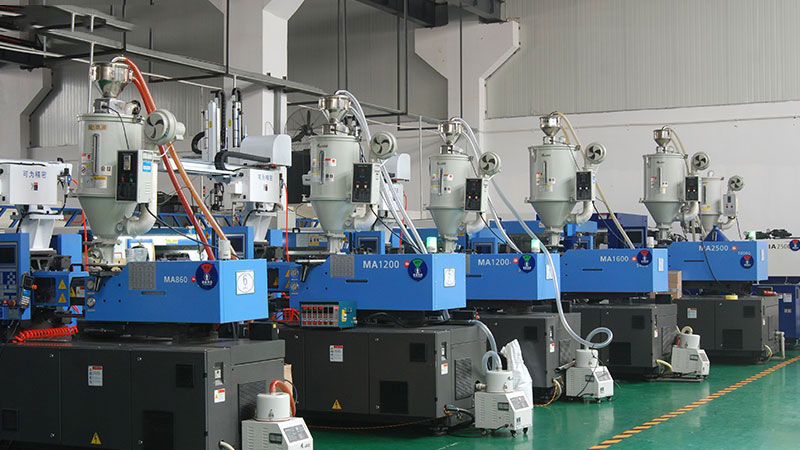
    The foundational step in your procurement journey is identifying and shortlisting potential China mold factory partners. Casting a wide net is easier than ever, but precision is key. Begin with dedicated B2B platforms like Alibaba, Made-in-China, and Global Sources, using specific search terms such as “precision injection mold maker” or “plastic mold manufacturer.” Crucially, go beyond the platform listings. A professional supplier will have a robust, independent website showcasing their engineering capabilities, machinery (look for Swiss or Japanese CNC, EDM, and CMMs), and a diverse project portfolio. Industry-specific trade shows, both virtual and physical, remain invaluable for direct engagement. Finally, do not underestimate the power of referrals; consult with your network or consider using a sourcing agent with a proven track record in plastic injection molding.

    Once you have a shortlist, rigorous supplier verification separates credible partners from the rest. This due diligence is your primary defense against future complications. Start by verifying business licenses and export credentials. Request detailed company profiles that clarify their ownership structure, factory size, and annual revenue. The most critical step is a virtual or, ideally, in-person factory audit. Many reputable factories now offer live video tours, allowing you to inspect their workshop floor, machinery maintenance, and 5S practices. Demand to speak directly with their project managers and engineers to assess their technical communication skills. Furthermore, insist on obtaining and contacting references from their existing overseas clients, specifically those in your region or industry. This multifaceted verification process builds a clear picture of their operational integrity and experience with international buyers.

    With a verified partner, defining your project with crystal clarity is non-negotiable. Ambiguity in specifications is the root cause of most mold-related disputes. Your Request for Quotation (RFQ) package must be comprehensive. It should include not just 3D CAD files (STEP or IGS format) but also detailed 2D drawings with GD&T (Geometric Dimensioning and Tolerancing) callouts. Specify the exact plastic material you intend to use, as shrinkage rates vary. Outline critical requirements: expected annual production volume, mold life expectancy, cavitation (number of cavities), mold base steel type (e.g., P20, 718, S136), surface finish (SPI standards), and lead time. A professional China mold factory will review these documents and engage in a technical dialogue, asking clarifying questions rather than simply providing a bottom-line price. This collaborative engineering review is a strong positive indicator.

    The procurement phase then moves into active management, where structured quality control protocols are paramount. A clear, milestone-based payment schedule (e.g., 30% deposit, 40% after T1 sample approval, 30% before shipment) aligns interests. The most effective tool for ensuring quality is the implementation of a First Article Inspection (FAI) process. Upon completion of the mold, the supplier should produce initial samples (T1) from the tool using production-intent material. You must receive comprehensive inspection reports, including dimensional results from CMM checks, material certification, and high-resolution photos/videos of the samples and the mold itself. For critical projects, consider engaging a third-party quality inspection firm in China to conduct pre-shipment audits. This independent verification at the factory gate provides an objective assessment before the mold is dispatched, preventing costly rework after it arrives at your doorstep.

    Ultimately, solving the puzzle of “where can i get a plastic mold made” leads to a strategic partnership, not just a transaction. The most successful long-term procurement relationships are built on continuous improvement and clear communication. Establish standardized communication protocols, using tools like shared project management platforms for tracking progress, issues, and design changes. View your first mold as the beginning of a collaborative relationship; a reliable supplier becomes an extension of your R&D team, offering design for manufacturability (DFM) feedback that can save significant cost and time on future projects. In the dynamic manufacturing environment of 2026, your competitive edge lies not only in finding a supplier but in cultivating a transparent, technically aligned partnership with a China mold factory that is invested in the success of your product from prototype to full-scale production.

    Work With Us

    As a professional China mold manufacturer, we provide one-stop mold solution for overseas buyers.
    📞 Phone: +86-18605944639
    💬 WhatsApp: +8618605944639
    🌐 Website: bestmoldworks.com
    📧 Email: [email protected]
  • custom plastic injection mold manufacturer: Complete Pr 2026

    For overseas buyers, sourcing a custom plastic injection mold manufacturer in China remains one of the most strategic decisions to achieve cost efficiency and scale production. However, the landscape is evolving rapidly. The process involves more than just finding a low quote; it is about building a partnership with a capable China mold factory that can deliver precision, reliability, and value from the initial design to mass production. As we look toward 2026, the complexities of global supply chains, technological advancements, and heightened quality expectations demand a more sophisticated approach. This guide provides a practical, no-fluff framework to navigate the procurement journey successfully, mitigate risks, and secure a competitive advantage through a trusted Chinese manufacturing partnership.

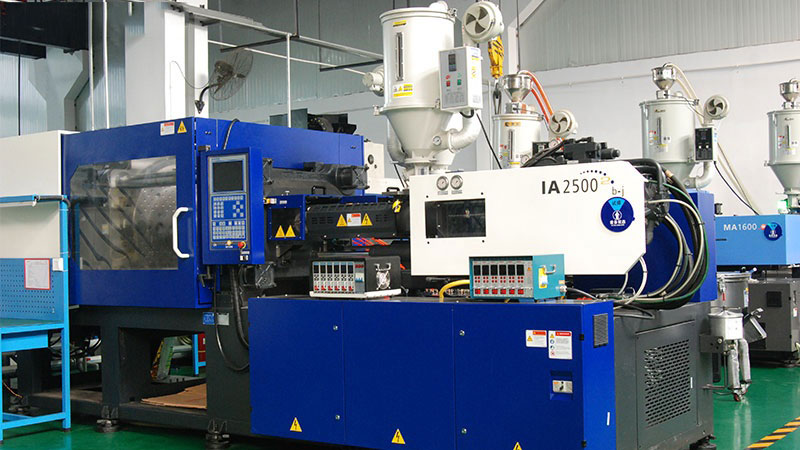
    The foundation of a successful project lies in meticulous pre-qualification and supplier verification. Begin by moving beyond basic online directories. Utilize industry-specific B2B platforms but prioritize manufacturers with detailed case studies, technical whitepapers, and video tours of their facility. A legitimate custom plastic injection mold manufacturer will transparently showcase their machinery—look for evidence of modern CNC, EDM, and CMM equipment. Crucially, initiate contact with a Request for Quotation (RFQ) package that is professionally prepared. This should include not just a 3D file (STEP or IGS), but a comprehensive product design document outlining material specifications, expected annual volumes, critical tolerances, and surface finish requirements. The depth and speed of the technical questions you receive in response are a primary indicator of a supplier’s expertise. A factory that quotes blindly without clarifying design for manufacturability (DFM) issues is a significant red flag.

    Once you have shortlisted potential partners, a rigorous technical and commercial dialogue is essential. Insist on a formal DFM report. A proficient China mold factory will analyze your part design and provide actionable feedback to optimize wall thickness, draft angles, gate locations, and ejection, which can prevent costly mold reworks and part defects later. Simultaneously, dissect the quotation. Ensure it clearly separates mold cost, sample cost, and per-part price. Understand the mold steel grade (such as 718H, S136, or P20), cavity life expectancy, and what is included in the warranty—typically, a one-year warranty against workmanship and material defects is standard. Clarify ownership of the mold tooling; terms should be explicit that the intellectual property and physical mold belong to you upon final payment. This stage is where you evaluate not just cost, but value engineering capabilities.

    Effective quality control cannot be an afterthought; it must be integrated into the contract and the production timeline. The milestone of First Article Inspection (FAI) is non-negotiable. Upon mold completion, the supplier must produce initial samples using production-intent materials and settings. You should receive comprehensive inspection reports with dimensional data, photos, and often, the physical samples for your own verification. For ongoing production, define the AQL (Acceptable Quality Level) standards for part inspections. For higher-risk or high-volume projects, engaging a local third-party quality inspection firm to conduct pre-shipment inspections provides an unbiased layer of protection. They can check part dimensions, appearance, and assembly on-site before containers are sealed. This proactive investment in quality control safeguards your brand reputation and avoids the far greater cost of receiving defective goods overseas.

    The most forward-thinking procurement strategies for 2026 look beyond the initial order to build a resilient, long-term partnership. Consider the manufacturer’s capacity for vertical integration. A supplier that also handles injection molding production offers smoother transition from prototype to mass production, better control over part quality, and often, more competitive overall project pricing. Evaluate their communication protocols; dedicated project managers who are proficient in English and use professional project management tools (like Asana or Trello) can dramatically reduce misunderstandings. Furthermore, discuss their approach to maintenance and support. Will they store your mold? What are the costs and lead times for mold repairs or production resumptions? A reliable partner acts as an extension of your operations, offering stability and adaptability in a dynamic market.

    In conclusion, procuring from a custom plastic injection mold manufacturer in China is a detailed process that rewards diligence and strategic partnership. The journey from supplier verification to final quality assurance requires a structured approach focused on technical collaboration, contractual clarity, and integrated quality systems. As you plan your procurement for 2026 and beyond, remember that the goal is not merely to purchase a mold, but to secure a manufacturing asset and a relationship that will deliver consistent, high-quality parts for years. By implementing these actionable steps—thorough vetting, demanding DFM, enforcing rigorous QC, and planning for the long term—you transform the inherent challenges of overseas procurement into a definitive competitive edge, ensuring your product’s success in the global marketplace.

    Work With Us

    As a professional China mold manufacturer, we provide one-stop mold solution for overseas buyers.
    📞 Phone: +86-18605944639
    💬 WhatsApp: +8618605944639
    🌐 Website: bestmoldworks.com
    📧 Email: [email protected]
  • pet preform mold manufacturers in china: Best Suppliers 2026

    For overseas buyers in the beverage packaging industry, sourcing high-quality PET preform molds is a critical strategic decision. China has solidified its position as the global epicenter for precision mold manufacturing, offering an unparalleled combination of advanced engineering, cost-effectiveness, and scalable production. However, navigating this vast market to identify truly reliable partners requires a methodical approach. This guide is designed to provide actionable, professional insights for procurement specialists and business owners looking to import top-tier PET preform molds from China in 2026 and beyond, helping you mitigate risks and secure a competitive advantage.

    Conducting Rigorous Supplier Verification

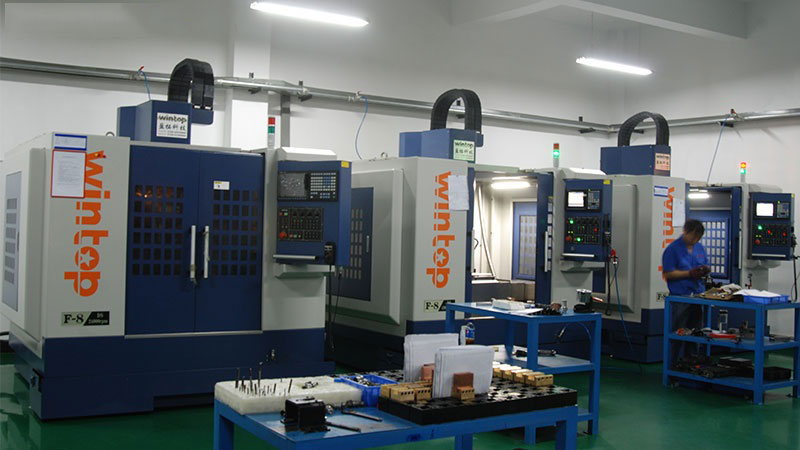
    The foundation of a successful import project lies in thorough supplier verification. Moving beyond basic online directories is essential. Start by identifying a shortlist of potential **pet preform mold manufacturers in china** with proven export experience. Key verification steps include reviewing business licenses (preferably with an English translation), assessing the company’s history and ownership, and confirming their specialization in injection mold for PET applications. Utilize third-party inspection platforms to validate their factory size, machinery (look for high-precision CNC, EDM, and mold testing equipment), and technical workforce credentials. A credible China mold factory will readily provide detailed company profiles, client references (with permission), and evidence of compliance with international standards. This due diligence phase is non-negotiable for establishing a trustworthy supply chain.

    Prioritizing Technical Expertise and Design Collaboration

    A PET preform mold is not a commodity; it is a high-precision tool that directly impacts your bottle quality, production efficiency, and material usage. When evaluating manufacturers, delve deep into their technical capabilities. Discuss cavity configurations, hot runner system preferences (and their partnerships with brands like Yudo, Husky, or Mold-Masters), cooling channel design, and wear-resistant steel grades like H13 or stainless steel for specific applications. The best suppliers act as collaborative partners. They should engage in a comprehensive design review process, offering constructive feedback on your part design for manufacturability (DFM) to optimize cycle times and preform performance. A manufacturer’s willingness to invest time in this collaborative engineering phase is a strong indicator of their commitment to quality and long-term partnership.

    Implementing a Proactive Quality Control Protocol

    Quality control cannot be an afterthought; it must be integrated into every stage of the procurement process. Define and agree upon a detailed Quality Inspection Plan (QIP) with your chosen supplier before order confirmation. This plan should specify critical checkpoints: raw material certification for mold steel, in-process inspections during machining, pre-shipment testing, and most importantly, a sample trial run. Insist on a Factory Acceptance Test (FAT) where the finished mold is used to produce sample preforms on a compatible injection molding machine. You or a designated third-party inspector should witness this test, verifying key metrics like preform weight consistency, dimensional accuracy (neck finish, wall thickness), intrinsic viscosity (IV) drop, and cycle time. This hands-on verification is the single most effective way to ensure the mold meets your technical specifications before it leaves the China mold factory.

    Navigating Logistics and Protecting Intellectual Property

    Securing a well-made mold is only part of the journey. Efficient logistics and robust IP protection are crucial for a smooth import. Discuss Incoterms clearly—typically, FOB is preferred for greater control over shipping and insurance. Ensure the manufacturer has experience in proper mold packaging (crated and shock-proof) for ocean freight. Simultaneously, intellectual property protection is a paramount concern for many overseas buyers. Work with legal counsel to draft a comprehensive Non-Disclosure Agreement (NDA) and a mold ownership agreement that stipulates the design and tooling remain your exclusive property. Reputable **pet preform mold manufacturers in china** understand these concerns and are accustomed to working under such contractual frameworks. Registering your designs where possible and choosing suppliers with a clean reputation are additional protective measures.

    Building a Relationship for Long-Term Support

    The relationship with your mold manufacturer should be viewed as a long-term strategic partnership, not a one-time transaction. Discuss post-sales support terms upfront. This includes warranty coverage (typically 12-24 months against manufacturing defects), the availability of spare components like cores, cavities, and hot runner tips, and their policy on mold maintenance and repair. A reliable supplier will provide detailed mold maintenance manuals and be responsive to troubleshooting requests. Establishing clear communication channels and periodic review meetings helps in proactively addressing wear and tear, ensuring your mold maintains peak performance throughout its lifespan, thereby safeguarding your production continuity.

    Conclusion

    Importing PET preform molds from China in 2026 presents a significant opportunity for cost efficiency and access to world-class manufacturing expertise. The path to success is defined by a disciplined procurement strategy that emphasizes verification, technical collaboration, stringent quality control, and contractual clarity. By focusing on these actionable areas, overseas buyers can confidently identify and partner with the best suppliers. The goal is to transform a complex sourcing challenge into a durable competitive edge, securing a mold that delivers consistent, high-quality preforms for years to come. The most successful import ventures are built on partnerships with Chinese manufacturers who demonstrate not just technical prowess, but a commitment to transparency and shared long-term value.

    Work With Us

    As a professional China mold manufacturer, we provide one-stop mold solution for overseas buyers.
    📞 Phone: +86-18605944639
    💬 WhatsApp: +8618605944639
    🌐 Website: bestmoldworks.com
    📧 Email: [email protected]
  • Mold for silicon parts: Ultimate Guide for Buyers 2026

    For overseas businesses, from innovative startups to established manufacturers, sourcing a high-precision mold for silicon parts represents a critical step in bringing durable, flexible components to market. China remains the global epicenter for mold manufacturing, offering unparalleled expertise and cost efficiency. However, navigating this complex landscape requires more than just finding a low quote. This ultimate guide for 2026 is designed to cut through the noise, providing you with a professional, actionable framework to successfully procure reliable, high-quality molds from China, ensuring your project’s success from the first sample to full-scale production.

    Mastering Supplier Verification and Selection

    The foundation of a successful import project is a thoroughly vetted China mold factory. In 2026, due diligence goes beyond website browsing. Start by verifying business licenses and export credentials. Prioritize factories with demonstrable experience in silicone or Liquid Silicone Rubber (LSR) injection mold manufacturing, as the requirements differ significantly from standard plastic injection molds. Request and scrutinize a detailed portfolio of past projects for silicone parts, focusing on items similar in size, complexity, and tolerance to your own. Utilize video calls for virtual factory tours; a reputable supplier will readily showcase their workshop, quality control stations, and molding machines. Furthermore, check for international standards compliance (like ISO 9001) and ask for references from other overseas clients. This stage is not about finding a vendor, but a long-term technical partner.

    Navigating Technical Specifications and Design for Manufacturability (DFM)

    A common and costly pitfall is finalizing part design without early supplier collaboration. Once you have shortlisted potential partners, engage them in a Design for Manufacturability (DFM) review. A proficient China mold factory will analyze your 3D files to identify potential issues in the silicone molding process, such as optimal gate locations for material flow, venting for air traps, and suggestions for draft angles and parting lines that ensure clean demolding and extend mold life. Clearly communicate all material specifications (e.g., FDA, medical-grade, hardness), expected volumes, cycle time targets, and post-processing needs. This collaborative dialogue before the mold steel is cut prevents expensive revisions and delays later, ensuring the final mold for silicon parts is engineered for efficiency and longevity.

    Understanding the Procurement Process and Cost Drivers

    The procurement process for a silicone injection mold is multi-stage. Expect it to follow this sequence: RFQ > DFM Feedback > Final Quotation & Contract > Mold Flow Analysis (highly recommended for complex parts) > Mold Design Approval > Manufacturing > First Article Inspection & Sample Approval > Mass Production. Transparent costing is crucial. A detailed quotation should break down costs for mold base, cavity/core steel (e.g., hardened vs. pre-hardened), hot runner system (common for LSR), internal components, manufacturing labor, and sampling. Be wary of suspiciously low bids; they often indicate the use of inferior materials or poor workmanship, leading to premature mold failure and costly production downtime. Invest in quality mold steel—it is the backbone of your part’s consistency and the tool’s lifespan.

    Implementing Rigorous Quality Control Protocols

    Proactive quality control is your most powerful tool for risk mitigation. Do not wait until shipment to inspect the mold. Insist on milestone inspections. The first critical checkpoint is the T1 sample stage. Before samples are shipped, require a comprehensive First Article Inspection Report (FAIR) with dimensional data from coordinate measuring machines (CMM) and material certifications. For high-value orders, consider hiring a local third-party quality inspection firm to perform an in-factory audit during sample approval. Discuss and agree upon Key Performance Indicators (KPIs) for the mold itself, such as cavitation consistency, flash prevention, and cycle time stability. Establishing these clear QC protocols upfront aligns expectations and empowers your chosen China mold factory to meet your standards consistently.

    Managing Logistics, IP Protection, and Long-Term Partnership

    Finalizing the mold is only part of the journey. Ensure your contract explicitly covers intellectual property (IP) protection, stating that the mold design and assets are your exclusive property. Clarify shipping terms (Incoterms 2026) like FOB or EXW, and factor in logistics costs and lead times. Determine mold ownership and storage location post-production—will it remain at the factory or be shipped to you? A reliable supplier will also discuss mold maintenance, offering guidance on cleaning cycles and preventive upkeep to preserve precision. View this not as a transactional purchase but as forging a partnership. Clear communication, documented processes, and mutual respect are the intangible elements that transform a successful mold procurement into a streamlined, ongoing supply chain for your silicone components.

    Conclusion

    Importing a mold for silicon parts from China in 2026 is a strategic endeavor that balances technical expertise, diligent process management, and clear partnership. By methodically verifying suppliers, collaborating on DFM, understanding true cost drivers, enforcing stringent quality control, and solidifying contractual and logistical details, you transform potential risks into a competitive advantage. The goal is to secure not just a tool, but a foundation for production excellence. With this guide as your roadmap, you are equipped to engage with Chinese mold manufacturers confidently, ensuring your investment yields a precision mold that delivers flawless silicone parts, batch after batch, for years to come.

    Work With Us

    As a professional China mold manufacturer, we provide one-stop mold solution for overseas buyers.
    📞 Phone: +86-18605944639
    💬 WhatsApp: +8618605944639
    🌐 Website: bestmoldworks.com
    📧 Email: [email protected]
  • custom plastic injection mold Manufacturerturer: Ulti 2026

    Importing custom plastic injection molds from China remains a strategic move for businesses worldwide seeking competitive advantage, innovation, and cost efficiency. However, the landscape is evolving rapidly. For the overseas buyer in 2026, success hinges on navigating a more sophisticated ecosystem where digital integration, advanced manufacturing, and stringent verification are paramount. This guide cuts through the noise to provide a professional, actionable framework for partnering with a top-tier custom plastic injection mold manufacturer in China, ensuring your procurement journey is seamless, reliable, and future-proof.

    Mastering Digital Supplier Verification and Initial Vetting

    The first and most critical step is moving beyond Alibaba listings. In 2026, a reliable China mold factory will have a robust digital footprint that demonstrates technical capability. Start by scrutinizing their online presence for detailed case studies, technical blogs, and videos of their machining centers and molding workshops. Utilize professional networks and B2B platforms with verified audit reports. When shortlisting, insist on a video conference facility tour—a standard practice for credible suppliers. Prepare a technical questionnaire focusing on their experience with materials similar to yours, their standard tolerances, mold flow analysis capability, and their project management structure. This initial, rigorous digital verification separates commodity workshops from true engineering partners, setting the foundation for a successful injection mold procurement process.

    Implementing a Phased Payment and Milestone Inspection Protocol

    Financial terms are your primary leverage for quality control. The outdated 50% deposit, 50% before shipment model is high-risk. For 2026, insist on a phased payment schedule tied to tangible milestones. A secure structure might be: 30% upon order confirmation, 40% upon approval of the First Article Inspection (FAI) report and mold trial video, and the final 30% after final inspection and before shipment. This approach aligns the manufacturer’s cash flow with your quality gates. Crucially, contract for third-party inspection at critical stages: after mold material certification, after machining completion (pre-trial), and after the successful production of sample parts. This independent quality control check provides an objective assessment of workmanship, dimensions, and material conformity before significant payments are released, mitigating your financial risk.

    Engineering Collaboration and DFM as a Partnership Cornerstone

    View your chosen custom plastic injection mold manufacturer as an extension of your engineering team. The most significant cost and quality savings occur at the design stage. Upon project kick-off, expect and require a formal Design for Manufacturability (DFM) report. A competent supplier will analyze your part design, suggesting modifications to wall thickness, rib design, gate locations, and ejection strategies to enhance moldability, reduce cycle time, and improve part strength. In 2026, this should include digital twin simulations and mold flow analysis videos, predicting and solving potential issues like air traps, weld lines, or sink marks before steel is cut. Engaging proactively in this technical dialogue not only optimizes the final product but also establishes a collaborative rapport, ensuring both parties are aligned on technical expectations and feasibility.

    Streamlining Communication and Project Management for Remote Oversight

    Geographical distance is a challenge overcome by structured communication. Demand a dedicated project manager from the supplier’s side who is fluent in English and technical terminology. Establish a regular update schedule using shared cloud platforms where you can access 3D files, inspection reports, and progress photos. Key communication touchpoints must include the DFM review, mold design approval, material certification, trial report submission, and pre-shipment inspection. Clarify all specifications, including mold steel grade, surface finish (SPI/VDI standards), cavity numbering, and spare components, in a signed Technical Agreement. This document becomes the single source of truth, preventing costly misunderstandings and ensuring the final delivery matches your precise requirements for the injection mold.

    Navigating Logistics, IP Protection, and Post-Sales Support

    Finalizing the mold is only part of the journey. Ensure your contract includes clear terms for intellectual property (IP), stating that all design and tooling rights belong to you. While Chinese law has strengthened IP protections, a well-drafted contract with confidentiality clauses is your first line of defense. For logistics, decide whether you will use the supplier’s shipping agent or your own. For 2026, factor in potential supply chain shifts and consider regionalized shipping strategies. Finally, secure explicit post-sales support terms. This should cover the warranty period (typically 12-18 months), the process for addressing wear and tear or damage, and the supply of spare components like heaters and ejector pins. A reliable custom plastic injection mold manufacturer will stand behind their work with actionable support, ensuring your mold remains productive for its entire lifecycle.

    Conclusion

    Importing a high-quality custom plastic injection mold from China in 2026 is a deliberate process built on verification, collaboration, and structured control. It transcends simply finding the lowest quote. By implementing a digital-first vetting process, enforcing milestone-based payments with independent inspections, embracing engineering collaboration, establishing ironclad communication protocols, and securing your IP and post-sales terms, you transform procurement from a transactional risk into a strategic partnership. The ultimate goal is to identify a China mold factory that is not just a supplier but a technical ally, capable of delivering precision, reliability, and value that fuels your product’s success in the global marketplace for years to come.

    Work With Us

    As a professional China mold manufacturer, we provide one-stop mold solution for overseas buyers.
    📞 Phone: +86-18605944639
    💬 WhatsApp: +8618605944639
    🌐 Website: bestmoldworks.com
    📧 Email: [email protected]

  • Custom molds for resin: Professional Buying Guide 2026

    For overseas entrepreneurs, designers, and manufacturers, the allure of creating unique resin products is often met with the challenge of sourcing high-quality, affordable tooling. China remains the global epicenter for mold manufacturing, offering unparalleled expertise and cost efficiency. However, navigating this complex market requires a strategic approach to mitigate risks and ensure a successful outcome. This professional buying guide for 2026 is designed to provide overseas buyers with actionable, no-fluff strategies for importing reliable custom molds for resin from China, turning a daunting procurement process into a streamlined and confident investment.

    The foundation of a successful import project lies in meticulous supplier verification. The term “China mold factory” encompasses a vast spectrum, from highly automated facilities serving global brands to smaller workshops with varying capabilities. Your first critical task is to move beyond Alibaba listings and conduct deep due diligence. Prioritize suppliers with demonstrable experience in producing molds for resin casting or related plastic injection mold projects, as the principles of precision and surface finish are transferable. Request detailed case studies, ask for raw videos of their workshop (not curated marketing reels), and insist on speaking directly with their project engineers. Verification should include a business license check and, for significant orders, a third-party factory audit report. This step filters out trading companies masquerading as manufacturers and aligns you with partners who understand the specific tolerances and venting requirements crucial for bubble-free resin casts.

    Once a shortlist of potential partners is established, mastering the technical and commercial quotation process is your next hurdle. A professional China mold factory will not provide a price based solely on a sketch. They require comprehensive design files, typically in STEP or IGES format, detailing part geometry, critical dimensions, and surface finish specifications. Be explicit about the resin type you will use (epoxy, polyurethane, etc.), as shrinkage rates and exothermic reactions can influence mold material selection, often steel or aluminum. When evaluating quotes, dissect the cost breakdown: mold base material, cavity and core steel grade, number of impressions, lifespan expectations, and included services like flow analysis. Understand that the cheapest injection mold quote often reflects compromises in material quality or post-processing, leading to premature failure. Clearly define payment terms, with milestones linked to design approval, first article inspection, and shipment, retaining a final payment until you verify the mold’s performance.

    Proactive quality control is non-negotiable and must be structured throughout the manufacturing journey, not as a final box-ticking exercise. For custom molds for resin, the devil is in the details: texture replication, polish level, and the precision of alignment pins. Require your supplier to provide a First Article Inspection Report with dimensional results from a CMM (Coordinate Measuring Machine) for critical features. If an on-site visit is not feasible, hire a local third-party QC inspector to witness the sample pull and test the mold’s function before shipment. This inspection should verify not just dimensions but also the ease of demolding and the quality of the initial resin samples. Establishing a clear quality control protocol, with Acceptable Quality Limits defined for surface defects and dimensional accuracy, sets professional expectations and provides a objective basis for remediation if standards are not met.

    The final phase encompasses logistics, intellectual property protection, and long-term partnership. Ensure your Incoterms (e.g., FOB, EXW) are clearly understood to avoid unexpected freight and customs charges. For sensitive designs, a robust NDA and contract stipulating IP ownership are essential before sharing any technical data. Consider the long-term relationship; a reliable China mold factory is not just a vendor but a technical partner for future iterations or maintenance. Discuss their policy on mold storage and repair. A professional supplier will offer to keep the mold design on file and provide maintenance services, which is invaluable for ongoing production. This end-to-end perspective transforms a transactional purchase into a strategic supply chain asset.

    Importing custom molds for resin from China in 2026 demands a blend of technical diligence, commercial clarity, and strategic relationship management. The journey from concept to a perfect cast begins with rigorous supplier verification, is sustained by precise communication and staged quality control, and culminates in a partnership that supports your business growth. By treating the procurement process with the same precision you expect from the injection mold itself, overseas buyers can confidently leverage China’s manufacturing prowess. The result is not merely a tool, but a foundation for innovation and commercial success in the vibrant world of resin product creation.

    Work With Us

    As a professional China mold manufacturer, we provide one-stop mold solution for overseas buyers.
    📞 Phone: +86-18605944639
    💬 WhatsApp: +8618605944639
    🌐 Website: bestmoldworks.com
    📧 Email: [email protected]

  • custom plastic mold manufacturers: Reliable Manufactur 2026

    For overseas buyers, sourcing custom plastic injection molds from China remains a powerful strategy for achieving cost efficiency and scaling production. However, the landscape is evolving. As we look toward 2026, the challenge is no longer merely about finding a low-cost provider but about identifying and partnering with truly reliable custom plastic mold manufacturers. Success hinges on a strategic, informed approach that mitigates risk and ensures long-term value. This guide provides actionable, professional insights to navigate the procurement process effectively, turning potential pitfalls into a competitive advantage.

    The foundation of a successful partnership begins long before a purchase order is issued, with rigorous supplier verification. In 2024 and beyond, due diligence must go beyond a basic website check. Start by verifying the China mold factory’s business license and export credentials. Utilize third-party inspection reports and platforms like Panjiva or ImportGenius to audit their shipping history. Crucially, insist on a video conference tour of their facility. A reputable supplier will transparently showcase their CNC machining centers, EDM equipment, and mold trial workshops. This step filters out trading companies masquerading as manufacturers and confirms the supplier’s technical capability and operational scale, aligning with the need for reliable partners in 2026.

    Once a potential partner is shortlisted, mastering the technical communication and quotation phase is critical. Ambiguity here is the primary cause of cost overruns and delays. Provide not just a 3D model, but a comprehensive technical data pack including the part’s material specification, intended annual volume, cosmetic requirements (e.g., SPI finish standards), and tolerance expectations. Request a detailed Design for Manufacturability (DFM) report. A professional China mold factory will analyze your part design, suggest improvements for moldability and cost reduction, and provide a mold structure proposal. Scrutinize quotations: they should itemize costs for mold design, materials (core and cavity steel grade), standard components, trials, and post-processing. A vague, lump-sum quote is a red flag.

    The true measure of a manufacturer’s reliability is embedded in their quality control protocols, a non-negotiable area for 2026 procurement. Quality must be engineered into the mold from the first cut, not inspected in at the end. Inquire about their process control: do they use First Article Inspection (FAI) reports, and how do they manage critical dimensions during machining? Understand their mold trial procedure. They should conduct initial trials, provide sample parts along with a detailed trial report documenting parameters and any issues, and then implement corrective adjustments. For high-stakes projects, plan for an in-person or third-party inspection during the initial sample approval stage. This focuses on the injection mold’s performance—ejection, cooling, and part consistency—not just the sample part’s geometry.

    A reliable partnership extends beyond the delivery of the mold to encompass production support and intellectual property protection. Discuss terms for mold modification and maintenance. Who bears the cost for design changes? What is their policy on repairing wear and tear? For production, clarify how the mold will be stored and maintained if you intend to use the supplier for ongoing manufacturing. Regarding IP, a trustworthy custom plastic mold manufacturer will willingly sign a Non-Disclosure Agreement (NDA). Ensure your contract explicitly states that all molds, designs, and associated tooling are your exclusive property. Conducting procurement through secure channels and considering legal jurisdiction in your agreement adds essential layers of security for the long term.

    In conclusion, securing a reliable partnership with Chinese custom plastic mold manufacturers in 2026 demands a shift from price-centric sourcing to value and verification-centric procurement. The journey involves meticulous supplier vetting, crystal-clear technical communication, an unwavering focus on in-process quality control, and the establishment of clear terms for ongoing support and IP protection. By adopting this structured, professional approach, overseas buyers can confidently leverage the expertise and capacity of China’s molding industry. This transforms the procurement of a critical injection mold from a transactional risk into a strategic investment, building a supply chain foundation that is robust, transparent, and capable of driving product success for years to come.

    Work With Us

    As a professional China mold manufacturer, we provide one-stop mold solution for overseas buyers.
    📞 Phone: +86-18605944639
    💬 WhatsApp: +8618605944639
    🌐 Website: bestmoldworks.com
    📧 Email: [email protected]

  • custom injection mold price: Best Suppliers & Quality C 2026

    For overseas buyers, navigating the landscape of custom injection mold procurement in China presents a significant opportunity for cost efficiency and scalability. However, the central challenge often revolves around understanding the true drivers behind a custom injection mold price and ensuring that cost savings do not come at the expense of quality and reliability. As we look toward 2026, the market is evolving, with a clearer divide between low-cost workshops and high-value manufacturers. This guide provides actionable strategies to help you secure the best value—a optimal balance of a competitive custom injection mold price and assured quality from your chosen China mold factory.

    The foundational step in your procurement journey is comprehensive supplier verification. The quoted price for an injection mold can vary dramatically based on the supplier’s capabilities, integrity, and operational standards. Begin by moving beyond Alibaba listings. Conduct deep due diligence: verify business licenses, inspect factory audit reports from previous clients, and request detailed company profiles. Utilize video calls to conduct virtual factory tours, paying close attention to their machinery park, specifically the types of CNC, EDM, and mold polishing stations. A professional China mold factory will be transparent and eager to showcase its facilities. This process filters out trading companies masquerading as manufacturers and identifies partners with the genuine technical capacity to deliver on their promises, directly influencing the fairness and accuracy of the initial custom injection mold price quotation.

    Once a shortlist of credible suppliers is established, the focus shifts to ensuring the quotation you receive is comprehensive and comparable. A surprisingly low injection mold price is often a red flag, indicating hidden costs, substandard materials like P20 steel instead of hardened 2738 or H13, or poor craftsmanship that leads to premature failure. Demand a detailed breakdown that includes mold base material and hardness, core and cavity steel grade and heat treatment, number of cavities, surface finish specifications, and a clear timeline with milestone payments. Crucially, insist on a formal mold design review before manufacturing begins. A reputable supplier will invest time in Design for Manufacturability (DFM) analysis, potentially suggesting modifications that enhance mold life and part quality, ultimately protecting your investment. This collaborative approach during procurement ensures you are comparing true value, not just initial numbers.

    Securing a fair price is meaningless without robust quality control protocols integrated throughout the manufacturing process. For overseas buyers, physical distance makes proactive quality management non-negotiable. Partner with suppliers who welcome and have systems for third-party inspection. Key inspection points include the First Article Inspection (FAI) of mold components, the T1 sample test with initial shots from the finished mold, and a final pre-shipment audit. The T1 sample is critical; it must be measured against your CAD drawings and GD&T tolerances using CMM or other precise instruments. Discuss and agree upon a Quality Control Inspection Plan before order confirmation. This plan should define measurement reports, sample submission procedures, and acceptance criteria. Effective quality control prevents costly rework and production delays, ensuring the mold you receive performs reliably in your production environment, thereby justifying its price.

    Looking ahead to 2026, the most successful importers will build strategic, long-term partnerships rather than treating each mold as a transactional purchase. The goal is to move beyond haggling over a single line item and instead cultivate a relationship where your China mold factory understands your quality standards and business objectives. This involves clear, consistent communication, possibly employing a bilingual project manager on the supplier side. Consider starting with a smaller, less critical project to evaluate performance before committing to larger, more complex tools. A reliable partner will provide transparent communication during issues, offer maintenance support, and give fair pricing on future projects. This strategic approach to procurement transforms your supplier into an extension of your engineering team, driving innovation and continuous improvement while maintaining cost predictability.

    In conclusion, mastering the import of injection molds from China by 2026 requires a shift in focus from seeking the lowest price to securing the optimal value. The journey hinges on diligent supplier verification, detailed and transparent quotation analysis, unwavering commitment to staged quality control, and a vision for strategic partnership. By implementing these actionable steps, you demystify the factors influencing the final custom injection mold price and build a resilient supply chain. The objective is to procure a precision tool that delivers millions of consistent parts, minimizing downtime and maximizing your return on investment. With a disciplined approach, overseas buyers can confidently leverage China’s manufacturing prowess to gain a formidable competitive edge in their own markets.

    Work With Us

    As a professional China mold manufacturer, we provide one-stop mold solution for overseas buyers.
    📞 Phone: +86-18605944639
    💬 WhatsApp: +8618605944639
    🌐 Website: bestmoldworks.com
    📧 Email: [email protected]

  • plastic injection moulding factory near me: Reliable M 2026

    For overseas buyers, the search for a “plastic injection moulding factory near me” often ends with the realization that true scalability, cost-effectiveness, and specialized expertise lie offshore, particularly in China. However, the leap from this realization to successfully importing high-quality, reliable molds is fraught with challenges. The geographical and cultural distance can amplify risks in supplier verification, communication, and quality control. This guide, “Reliable M 2026,” is designed to bridge that gap. It provides a practical, no-nonsense framework for procurement professionals and business owners to navigate the Chinese manufacturing landscape with confidence, transforming the daunting task of sourcing an injection mold from a distant China mold factory into a streamlined and secure process.

    The foundational step, and arguably the most critical, is rigorous supplier verification. Moving beyond a simple Alibaba listing is non-negotiable. Start by demanding concrete evidence of capability. A legitimate and professional injection mold manufacturer should readily provide a detailed company profile, business licenses, and certifications relevant to your industry (e.g., ISO 9001). However, verification must go deeper. Request a comprehensive portfolio of past projects, specifically for molds similar in complexity and material to your project. Insist on a virtual or, ideally, a pre-qualification in-person factory tour. During this tour, focus on their machine park (look for reputable brands like Haitian, Engel, or Arburg), their mold maintenance area, and their quality control department. Checking their presence on professional B2B platforms like Made-in-China or Global Sources, and seeking independent reviews, adds another layer of validation. This due diligence filters out trading companies masquerading as factories and identifies partners with genuine technical prowess.

    Once a potential partner is verified, mastering the technical and commercial quotation process is key to avoiding costly misunderstandings. A professional China mold factory will treat a request for quotation (RFQ) as a collaborative document. Provide them with more than just a 3D file; include a detailed specification sheet covering mold steel grade (such as 718H or S136), cavity life expectancy (number of shots), surface finish requirements (SPI standards), tolerances, and intended plastic material. The quotation you receive back should be equally detailed. Scrutinize it for a clear breakdown: mold base cost, cavity and core inserts, ejection system, hot runner system (brand and type if applicable), and a projected timeline for T1 samples. Be wary of suspiciously low quotes; they often indicate the use of inferior materials, hidden costs, or a fundamental misunderstanding of your specifications. This stage is about aligning expectations on paper before a single piece of steel is cut.

    Proactive and structured quality control is the linchpin of successful importation. Do not assume quality will be managed; you must engineer it into the process. Define clear Quality Control (QC) checkpoints with your supplier. The first critical milestone is the Design Review (DFM report) before manufacturing begins. The second is the First Article Inspection (FAI) on the finished mold, often involving soft tool trials and dimensional reports. For higher-value projects, engage a trusted third-party inspection service in China to conduct an Initial Sample Inspection Report (ISIR) or Pre-Shipment Inspection (PSI). They will check mold dimensions, material certificates, heat treatment reports, and the functionality of the first shots from the mold. Implementing a structured QC protocol, rather than reactive problem-solving, protects your investment and ensures the injection mold you receive meets your precise production requirements.

    Finally, viewing the relationship as a strategic partnership, not a one-off transaction, yields long-term dividends. A reliable Chinese mold manufacturer is an extension of your product development team. Foster this by establishing clear, consistent communication channels. Designate a single point of contact on both sides who is technically fluent. Use collaborative tools for sharing drawings and updates. Discuss and agree on protocols for handling engineering change orders (ECOs) during the mold-making process. Furthermore, a trustworthy partner will be transparent about production capacity, maintenance schedules for the mold, and provide proper mold storage if needed for future runs. This collaborative approach mitigates the “remote” factor, building a foundation for not just a successful first project, but for a scalable, dependable supply chain for years to come. In this context, finding the right partner effectively creates your own dedicated, high-performance plastic injection moulding factory near me, albeit located strategically in China’s industrial ecosystem.

    In conclusion, the strategic procurement of an injection mold from China is a manageable and highly rewarding endeavor when approached with a disciplined methodology. The journey from searching for a “plastic injection moulding factory near me” to securing a “Reliable M 2026” partner hinges on a four-pillar strategy: exhaustive supplier verification, meticulous technical quotation analysis, embedded and proactive quality control, and fostering a communicative, partnership-driven relationship. By implementing these actionable steps, overseas buyers can confidently tap into China’s manufacturing excellence. You transform the inherent challenges of distance into a competitive advantage—gaining access to superior engineering, cost efficiency, and production scalability that can define the success of your product in the global marketplace.

    Work With Us

    As a professional China mold manufacturer, we provide one-stop mold solution for overseas buyers.
    📞 Phone: +86-18605944639
    💬 WhatsApp: +8618605944639
    🌐 Website: bestmoldworks.com
    📧 Email: [email protected]