For overseas buyers, sourcing precision mold tooling is a critical strategic decision that directly impacts product quality, time-to-market, and overall manufacturing cost. China remains the global epicenter for mold manufacturing, offering an unparalleled combination of technical expertise, advanced capabilities, and competitive pricing. However, navigating this vast market to find a reliable partner requires insight, diligence, and a structured approach. This ultimate guide for 2026 provides actionable, professional advice to help you procure high-quality injection molds and other tooling from China with confidence, mitigating risks and ensuring a successful partnership.
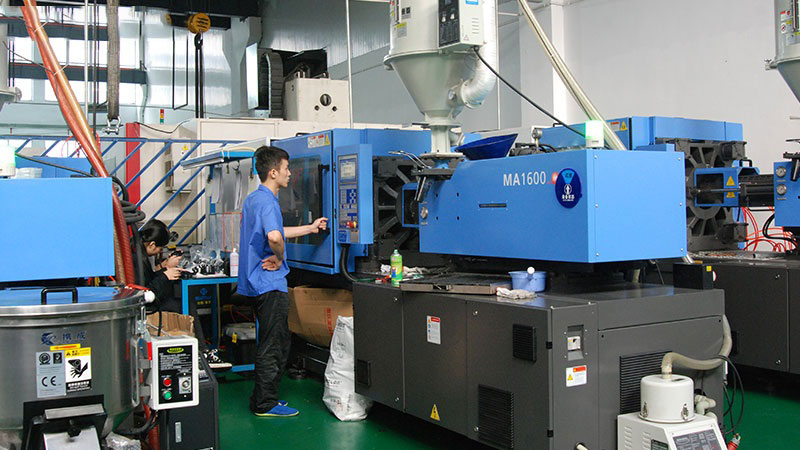
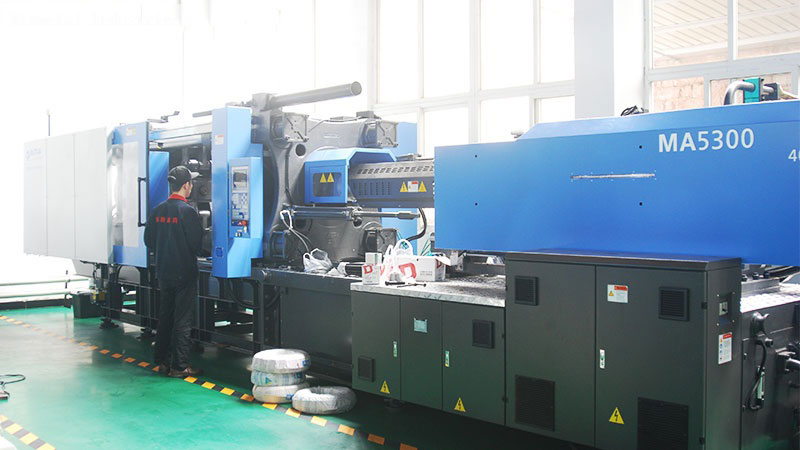
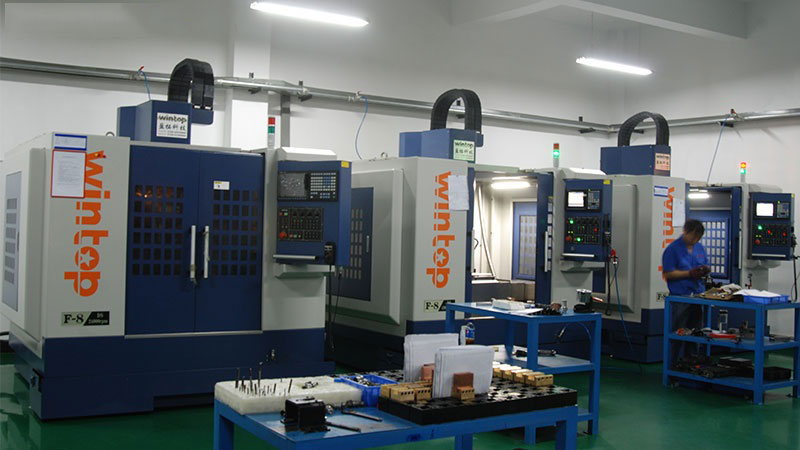
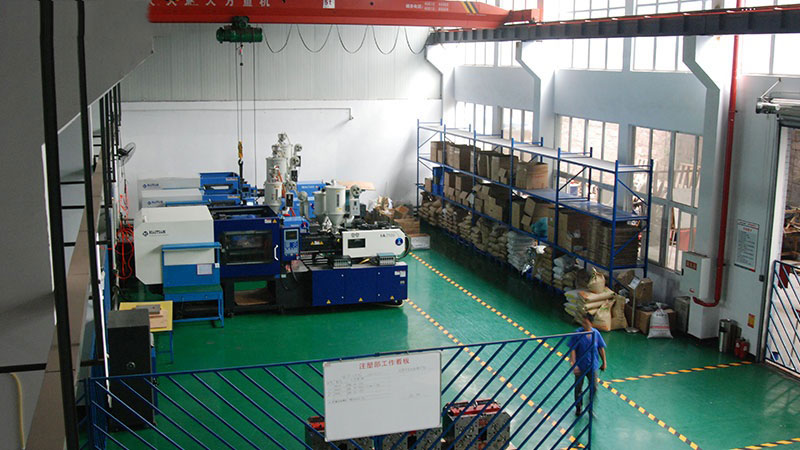
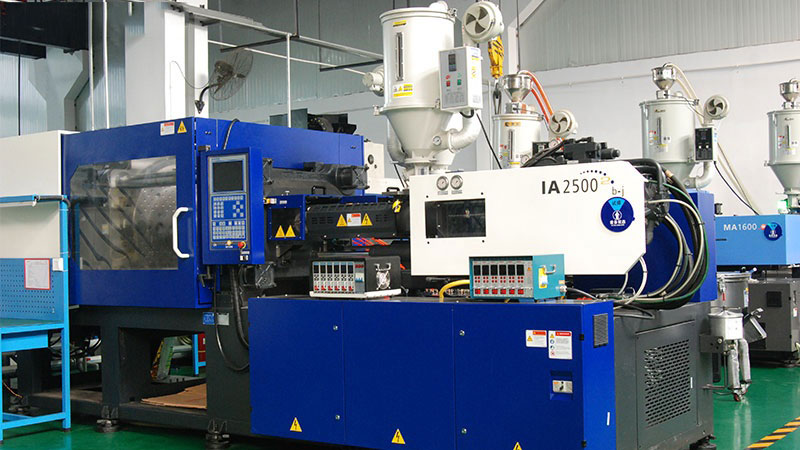
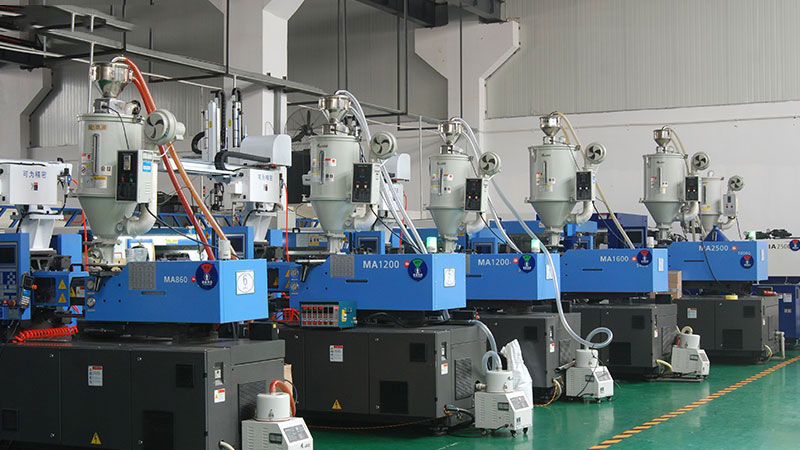
The foundation of a successful import project lies in meticulous supplier verification. Moving beyond basic Alibaba listings is crucial in 2026. Start by identifying China mold factories with demonstrable experience in your specific industry and product type, whether it’s automotive components, consumer electronics, or medical devices. Request detailed case studies and, importantly, contact their existing overseas clients for unbiased references. Verify business licenses and export credentials. Utilize video conferencing to conduct virtual factory tours; a reputable supplier will readily showcase their workshop, machinery (look for modern CNC, EDM, and high-speed milling centers), and quality control stations. This step is not merely about checking a box but about building a transparent relationship from the outset. A factory that is open and communicative during verification is likely to be a reliable partner throughout the complex mold tooling process.
Once a potential partner is shortlisted, the procurement phase demands precision in technical communication. Ambiguity in design specifications is the primary cause of delays, cost overruns, and tool failure. Provide comprehensive, dimensionally accurate 3D CAD files (STEP or IGES) and detailed 2D drawings with clear tolerances, surface finish requirements (SPI standards), and material specifications for both the mold (e.g., P20, H13, S136) and the intended final plastic or metal. Discuss and agree upon critical design factors upfront: mold flow analysis expectations, gate type and location, cooling channel design, ejection method, and expected cycle time. Formalize all agreements in a clear Technical Specification Sheet that is appended to the commercial contract. This document becomes the objective benchmark for all subsequent quality control, ensuring both parties are aligned on every technical aspect of the injection mold or tooling project.
Implementing a rigorous, multi-stage quality control protocol is non-negotiable. For significant investments in mold tooling, a third-party inspection service based in China is a wise investment. Key inspection milestones should be contractually mandated. The first is the First Article Inspection (FAI) of the mold itself, checking core/cavity dimensions, material hardness, and finish before any trial. The second, and most critical, is the Trial Run Sample Approval. Insist on witnessing (either in person or via live-streamed video) the mold trial at the factory. The supplier should provide samples, a trial report with process parameters, and dimensional measurement results. You must approve these samples before the mold is cleared for shipping. This proactive approach prevents the costly scenario of receiving a non-conforming mold at your facility, where remediation is exponentially more difficult and expensive.
Managing logistics, intellectual property, and the partnership beyond the initial order requires strategic foresight. Ensure your contract includes clear terms for IP protection, confidentiality, and ownership of all design files. Discuss shipping terms (Incoterms 2020) explicitly—who handles export documentation, freight, and import customs clearance? For delicate mold tooling, professional packing and insurance are essential. Furthermore, view your chosen China mold factory as a long-term strategic partner. Discuss their capacity for mold maintenance, repair, and future modifications. A reliable partner will offer responsive after-sales support, which is invaluable for managing production downtime. In 2026, leading factories also offer digital integration, providing real-time project updates and secure data transfer, further smoothing the procurement journey.
In conclusion, importing mold tooling from China in 2026 presents a tremendous opportunity for cost-effective, high-quality manufacturing when approached with diligence and expertise. The process hinges on thorough supplier verification, crystal-clear technical communication, enforced quality control checkpoints, and a commitment to building a collaborative, long-term partnership. By following this structured guide, overseas buyers can transform the perceived complexity of international procurement into a competitive advantage. The goal is to move beyond a simple transactional purchase and establish a relationship with a China mold factory that acts as a true extension of your engineering and production team, delivering precision injection molds that meet your exact standards for performance, durability, and value year after year.
Work With Us
As a professional China mold manufacturer, we provide one-stop mold solution for overseas buyers.
📞 Phone: +86-18605944639
💬 WhatsApp: +8618605944639
🌐 Website: bestmoldworks.com
📧 Email: [email protected]