For overseas buyers, sourcing precision tooling from China represents a significant strategic advantage, offering a balance of cost-efficiency, advanced manufacturing capabilities, and scalability. However, navigating the vast landscape of suppliers to find a reliable partner can be a complex undertaking. This guide is designed to cut through the noise and provide you with a practical, actionable framework for successfully importing molds from China in 2026 and beyond. We will move beyond generic advice to address the real challenges you face in procurement, supplier verification, and quality control, ensuring your project lands in the hands of a competent China mold factory.
The journey begins long before you request a quotation. Comprehensive project definition is your most powerful tool for ensuring accurate quotes and setting clear expectations. A professional mold manufacturer requires precise data to provide a meaningful assessment. Prepare a detailed technical data pack including 3D CAD models (STEP or IGS format) and fully dimensioned 2D drawings. Crucially, supplement these with a product requirements document that specifies the intended material (e.g., ABS, PP, PC), annual production volume, critical tolerances, surface finish requirements (SPI standards), and part lifecycle expectations. This level of detail not only filters out suppliers who lack the technical prowess to review your project thoroughly but also establishes a formal foundation for all subsequent communications, minimizing the risk of costly misunderstandings during development.
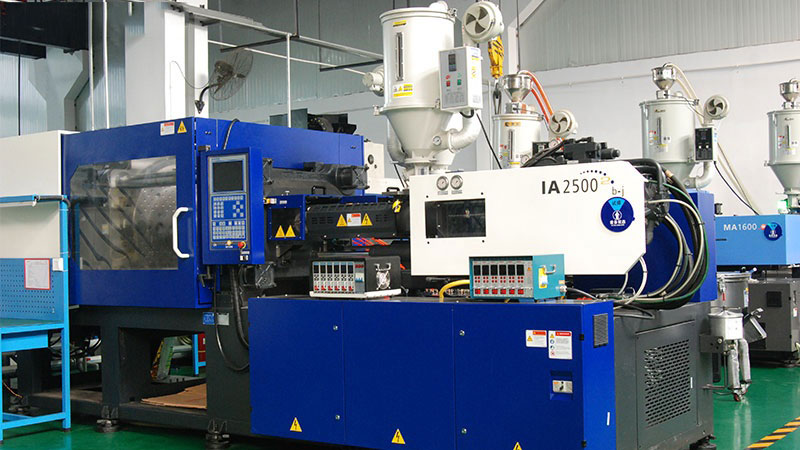
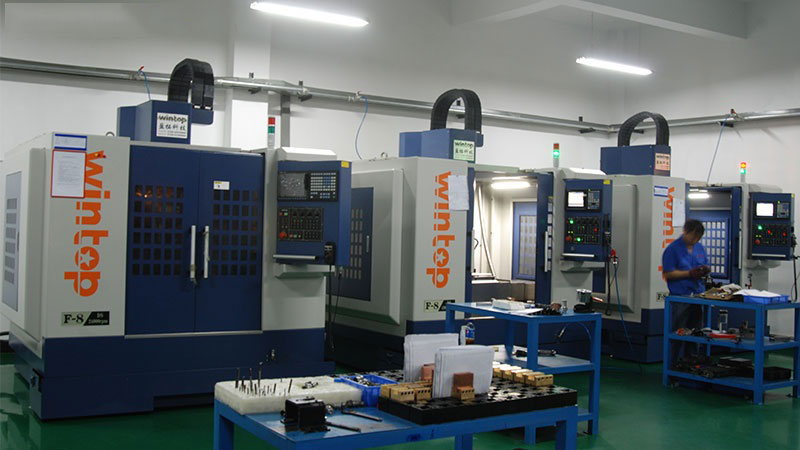
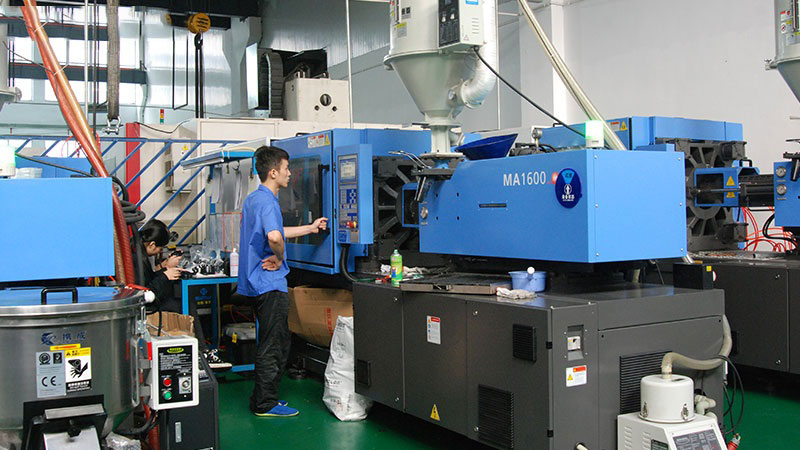
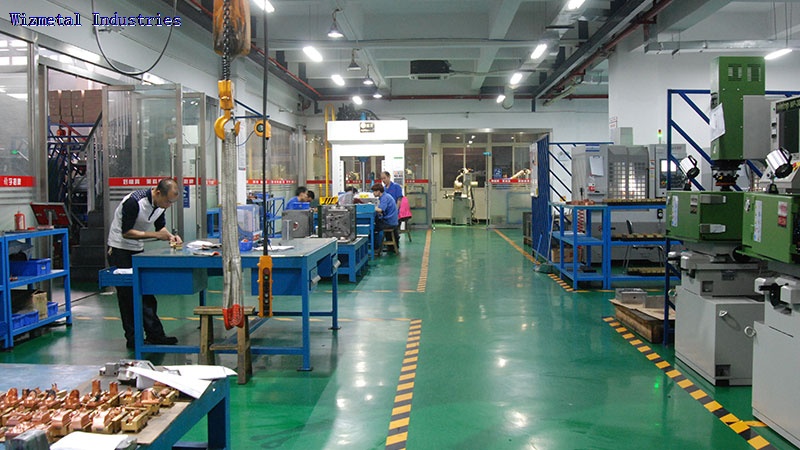
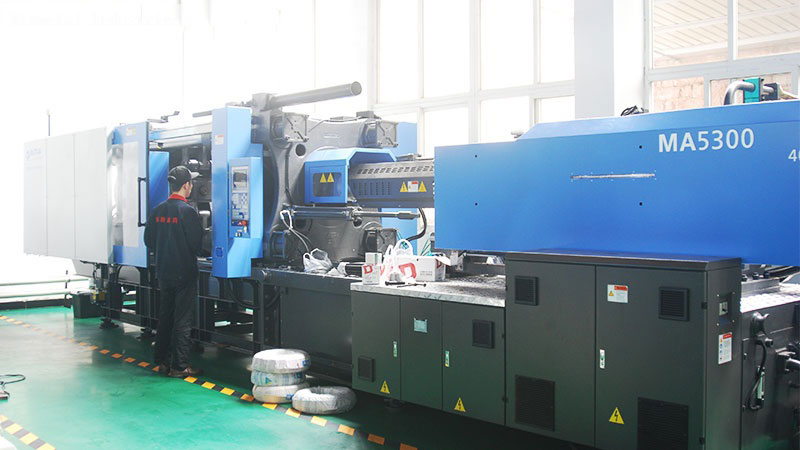
With a clear project scope, the next critical phase is rigorous supplier verification. The market is segmented into tiers, from small workshops to large, fully integrated enterprises. Your project’s complexity should dictate your target tier. Utilize B2B platforms like Alibaba or Made-in-China as starting points for longlisting, but dig much deeper. A credible China mold factory will have a professional website showcasing past projects, often with videos of mold trials and finished parts. Verify business licenses and export history. However, the most critical step is to conduct a virtual or, ideally, an in-person audit. Request a live video tour of their facility—focus on their CNC, EDM, and mold polishing workshops. Assess the organization, machine maintenance, and the skill level of technicians. Ask for and contact at least two previous international clients for references, specifically inquiring about communication, problem-solving, and adherence to timelines.
The procurement process itself requires a structured approach to contracting and payment. Never proceed on a simple Proforma Invoice alone. Insist on a detailed mold manufacturing contract that itemizes key terms: a stage-by-stage payment schedule (e.g., 30% deposit, 40% after T1 sample approval, 30% before shipment), a clear project timeline with milestones, warranty period and coverage (typically 12-18 months), ownership of all design and manufacturing IP, and protocols for handling design changes (ECN process). Regarding payments, while Telegraphic Transfer (T/T) is standard, consider using secure payment escrow services offered by some platforms for added protection, especially with new suppliers. This contractual clarity protects both parties and ensures the business relationship is built on transparency and mutual understanding.
Undoubtedly, the paramount concern for any overseas buyer is maintaining uncompromising quality control. A proficient mold manufacturer will have an internal QC process, but you must implement your own independent checks. Define and agree upon Inspection Criteria before production begins. For high-value or high-volume projects, engage a reputable third-party inspection company in China to conduct a Critical Dimension Inspection (DPI) and a comprehensive mold trial run report. This involves an inspector visiting the factory to witness the mold trial, checking parts against your drawings and specifications, and documenting the process with photos and data. This report, often required before the final payment is released, is your objective evidence of quality and functionality, preventing defective tooling from leaving the factory.
Effective communication and project management are the glue that holds the entire import process together. Establish a single point of contact on both sides who is technically fluent. Use collaborative tools like shared cloud folders for drawings and reports, and schedule regular update meetings via video call. Be prepared for the time zone difference and build responsiveness into your schedule. During the mold trial (T1) stage, expect and plan for adjustments. A professional supplier will provide a sample report highlighting any issues and their proposed solutions. Your prompt feedback on physical samples is essential to keep the project on track. View this phase as a collaborative problem-solving exercise rather than a simple transaction.
In conclusion, successfully importing an injection mold from China in 2026 is a systematic process that rewards diligence and strategic partnership. By investing time in meticulous project definition, conducting thorough supplier verification, structuring a solid procurement contract, enforcing rigorous quality control measures, and maintaining proactive communication, you transform a potentially risky venture into a reliable and highly competitive supply chain solution. The goal is not merely to find a vendor but to identify a true partner—a China mold factory whose success is intrinsically linked to the performance and quality of the tooling they deliver to you. By following this actionable framework, you position your project for a smooth execution, ensuring the mold you receive meets your precise specifications, budget, and timeline, ultimately contributing to your product’s success in the global marketplace.
Work With Us
As a professional China mold manufacturer, we provide one-stop mold solution for overseas buyers.
📞 Phone: +86-18605944639
💬 WhatsApp: +8618605944639
🌐 Website: bestmoldworks.com
📧 Email: [email protected]